Activity
Mon
Wed
Fri
Sun
Nov
Dec
Jan
Feb
Mar
Apr
May
Jun
Jul
Aug
Sep
Oct
What is this?
Less
More
Owned by Jim
Understand living systems through permaculture principles, regenerative farming, safe medicinal herb use, and calm practical family resilience.
Understand bees as living systems through observation, biology, evidence, and thoughtful stewardship of colonies, landscapes, and community.
48 contributions to DIY Gardening

🔥
Jul 21 •
Myth:
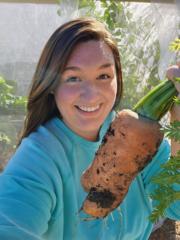
You need a lot of land to grow a serious amount of food. 🍅 Reality: Vertical trellising, healthy soil, and succession planting can yield hundreds of pounds of produce in just a few beds. You don't need a farm. You just need a system that maximizes your square footage. How big is your current growing space? Do you think you're using it to its full potential?

🔥
7 likes • Jul 21
I have found that productivity is measured less by acres than by how well we help sunlight, water, soil, biology, and time work together. A healthy 200 square feet can often outperform a neglected 2,000. With a high functioning guild, it is amazing how much can be grown in a small space

Jul 16 •
Tomatoes are really growing
I’ve been super happy with the growth of my garden. Everything is growing strong! I love it!

🔥
3 likes • Jul 17
Mine as well... simmered down some sauce yesterday with some fresh basil and oregano from the garden... made the house smell divine.
🔥
3 likes • Jul 17
@Lisa Miller and there is no other that tastes the same... I broil the tomatoes first and use smoked salt... yum

🔥
2 likes • Jul 17
Pretty
🔥
Jul 16 •
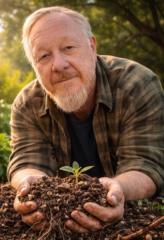
Which one do you like better?
Working on branding for the Academy, and would love to know which community cover image you like better?
Poll
25 members have voted

🔥
4 likes • Jul 17
I like the way of life
1-10 of 48
🔥
@james-flach-4044
I help families understand off grid living, grow real food, use herbs wisely, and build a more self-reliant home without fear or overwhelm.
0
Reply
Online now
Joined May 8, 2026
ENTP
Cookeville, TN 38506
Powered by