Activity
Mon
Wed
Fri
Sun
Nov
Dec
Jan
Feb
Mar
Apr
May
Jun
Jul
Aug
Sep
Oct
What is this?
Less
More
15 contributions to Mauni-London Recovery Coaching

Jun 23 •
Is chaos a shade of grey or black and white?
Hello everyone, my tiny brain has a big question! I’ve been doing boundaries training today and we spoke a lot about person and professional relationships and what is or isn’t acceptable behaviour. We work in very chaotic and challenging environments and when discussing boundaries there seemed to be two opposing opinions in the room: 1. We work in chaos therefore we need to have strict rules and boundaries. People have no structure or rules in their lives so we must be black and white. 1. We work in chaos therefore we need to have flexible rules and boundaries. People have no structure or rules in their lives so we have to meet them in a shade of grey. What’s everyone’s thoughts on professional boundaries?
Jun 16 •
Interesting
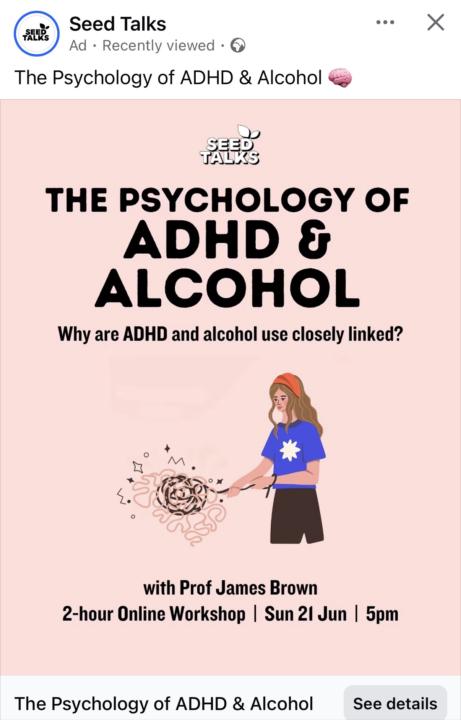
I saw this advertised and thought it might be good. @Ruth Lilleker I know this is your area of expertise. Tickets are in Eventbrite and seed talks. I’ve been to a few seed talks before and all of the ones I’ve attended have been brilliant. It’ll be interesting to listen to and see this from a professors point of view.
May 28 •
Stress Management and Resilience
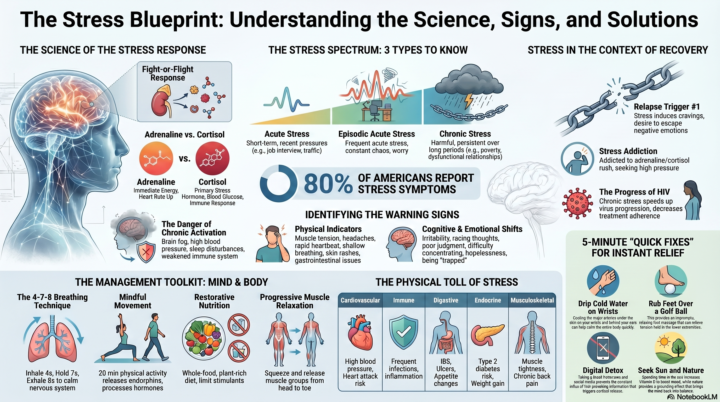
Stress management is a vital component of addiction recovery, mental health stability, and overall well-being. Chronic stress can increase cravings, impair emotional regulation, and trigger relapse by activating the body’s “fight-or-flight” response and elevating stress hormones such as cortisol and adrenaline. To reduce these risks, a holistic and personalized approach to stress management is essential. Effective strategies include mindfulness, meditation, deep breathing, grounding exercises, and progressive muscle relaxation to calm the nervous system and improve emotional balance. Regular physical activity, restorative sleep, balanced nutrition, and healthy daily routines help stabilize mood, strengthen resilience, and support both physical and mental health. Creative hobbies, time in nature, and mind-body practices such as yoga or tai chi also provide healthy outlets for stress relief. The importance of building a safe and supportive environment is strongly emphasized. Setting healthy boundaries, identifying personal triggers, expressing emotions openly, and maintaining strong connections with peers, family, counselors, or support groups can reduce isolation and improve coping skills. Professional guidance and therapy further support long-term recovery by helping individuals develop personalized stress-management tools. Ultimately, consistent self-care, emotional awareness, and healthy lifestyle habits are key to protecting sobriety, improving mental clarity, strengthening physical health, and fostering long-term emotional resilience.
1 like • Jun 1
Not going to lie I’m struggling with this right now. The stressors are stressing!!
May 22 •
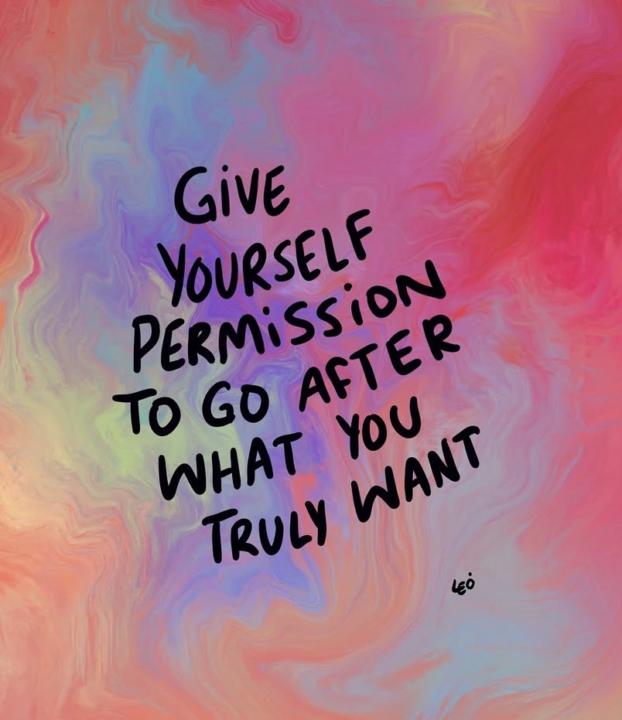
Permanent permission
After our fantastic session yesterday we should all have permanent permission to do what we need to do to make the world a better place. Let’s go be brilliant!!

May 4 •
Does this resonate?
This morning was a perfect example of ADHD cognitive function — in real time — something we talk about a lot in theory, but rarely understand in practice. On paper, it’s neat. Attention. Emotional regulation. Executive function. Working memory. Clean. Structured. Measurable. In reality? It looks like: • waking up already tired • my brain running before I’d even found socks • multiple thoughts forming at once, none of them waiting their turn • analysing conversations, tone, and what-ifs simultaneously • trying to locate something I’d definitely put somewhere “safe” (which is code for: I will absolutely not find it when I need it) • deciding to go for a run like that was a calm, well-considered decision Nothing dramatic. Just… ongoing. Because this is the part that rarely gets explained. It’s not that someone can’t think clearly. It’s that they are thinking: • too much • too quickly • in too many directions at once With emotion, memory, pattern recognition and sensory input all competing for priority. Not in sequence. All at once. With ADHD, this level of processing isn’t unusual — it’s just rarely seen or understood in real time. So instead of: “can’t process” It’s more like: • processing everything, simultaneously • noticing patterns before you’ve consciously worked out why they matter • holding multiple threads of thought that don’t politely queue And then you add real life on top: • relationships • responsibilities • pressure • lack of sleep • hormones • the occasional questionable decision the night before Now it’s not just thinking. It’s load. You’re managing: • internal noise • emotional intensity • constant pattern recognition • and still trying to function as if everything is linear and calm And from the outside? It can look like: • distraction • inconsistency • lack of focus But underneath, it’s: high-speed processing high cognitive load with no off switch So the issue isn’t a lack of ability. It’s a lack of space to regulate that level of processing.
1 like • May 5
I haven’t been diagnosed with ADHD from being a teenager I was always told I had anxiety and then a bit later a mix of anxiety and depression. Looking back now as a female in my 30s I think I probably do have ADHD but was misdiagnosed because when I was younger it was always thought of as naughty little boys have ADHD and I didn’t fit the mould.
1-10 of 15

@jade-wilkinson-3841
Hi, its Jade the volunteer and ambassador coordinator from Recovery connections Gateshead.
Active 121d ago
Joined Mar 5, 2026
Powered by