Activity
Mon
Wed
Fri
Sun
Nov
Dec
Jan
Feb
Mar
Apr
May
Jun
Jul
Aug
Sep
What is this?
Less
More
100 contributions to Kingdom Crown
🔥
Aug 15 •
Growing Deeper Instead of Wider
t’s easy to focus on doing more, reaching more, and becoming more visible. But sometimes, God is calling us to go deeper instead. Deeper in faith. Deeper in prayer. Deeper in His Word. Deeper in our relationship with Him. Growth isn’t always about becoming bigger—it’s about becoming 𝗿𝗼𝗼𝘁𝗲𝗱. Take time today to strengthen what’s happening beneath the surface. The deeper the roots, the stronger the life that grows above them. 𝗗𝗼𝗻’𝘁 𝗷𝘂𝘀𝘁 𝗴𝗿𝗼𝘄 𝘄𝗶𝗱𝗲𝗿. 𝗚𝗿𝗼𝘄 𝗱𝗲𝗲𝗽𝗲𝗿 𝗶𝗻 𝗛𝗶𝗺. 🙏✨
1 like • Aug 15
Amen!!! The deeper the roots the more unshakeable you become!
🔥
Aug 12 •
The Role of Wisdom in Everyday Decisions 🧠📖
Wisdom isn’t just about knowing what is right—it’s about 𝗽𝘂𝘁𝘁𝗶𝗻𝗴 𝗚𝗼𝗱’𝘀 𝘁𝗿𝘂𝘁𝗵 𝗶𝗻𝘁𝗼 𝗽𝗿𝗮𝗰𝘁𝗶𝗰𝗲 in the choices we make every day. Students face decisions about friendships, school, social media, relationships, and how they respond to challenges. Biblical wisdom helps them pause, seek God, and choose what honors Him. 📖 𝗣𝗿𝗼𝘃𝗲𝗿𝗯𝘀 𝟯:𝟱–𝟲 reminds us to trust in the Lord rather than relying only on our own understanding. 𝗛𝗼𝘄 𝗰𝗮𝗻 𝘄𝗲 𝗴𝗿𝗼𝘄 𝗶𝗻 𝘄𝗶𝘀𝗱𝗼𝗺? 🙏 Pray before making important decisions 📖 Look to God’s Word for guidance 💭 Think about the consequences of our choices 👥 Seek advice from trusted, godly people ❤️ Choose what honors God—even when it isn’t the easiest choice 𝗥𝗲𝗺𝗲𝗺𝗯𝗲𝗿: Every decision is an opportunity to grow in wisdom and reflect God’s character. 𝗪𝗵𝗮𝘁’𝘀 𝗼𝗻𝗲 𝗱𝗲𝗰𝗶𝘀𝗶𝗼𝗻 𝘆𝗼𝘂’𝗿𝗲 𝗳𝗮𝗰𝗶𝗻𝗴 𝘁𝗼𝗱𝗮𝘆 𝘄𝗵𝗲𝗿𝗲 𝘆𝗼𝘂 𝗰𝗼𝘂𝗹𝗱 𝘂𝘀𝗲 𝗚𝗼𝗱’𝘀 𝘄𝗶𝘀𝗱𝗼𝗺?
1 like • Aug 15
What my next moves are as an empty-nester.
🔥
Jul 30 •
Looking for God in Everyday Moments
We often expect God to speak through dramatic miracles or life-changing events. But more often than not, He meets us in the ordinary moments of everyday life. ✨ A peaceful sunrise. ✨ A kind word from a friend. ✨ A prayer answered in an unexpected way. ✨ Strength to get through a difficult day. ✨ A reminder from Scripture just when you need it. God is always at work—even in the small details we might overlook. When we slow down and pay attention, we begin to see His fingerprints everywhere. 📖 "The heavens declare the glory of God; the skies proclaim the work of His hands." — Psalm 19:1 Today, take a moment to pause and ask yourself: Where have you seen God in your everyday life this week? Share your story in the comments. Your testimony may be the encouragement someone else needs today.
3 likes • Aug 2
It is in the times I am sitting still in God's Presence that He speaks to me the most.
🔥
Jul 22 •
Living Differently in a Self-Focused Culture
The world often tells us to put ourselves first—to chase success, seek recognition, and do whatever makes us happy. But as followers of Christ, we're called to live differently. "Do nothing out of selfish ambition or vain conceit. Rather, in humility value others above yourselves." — Philippians 2:3 Living differently doesn't mean being perfect. It means choosing kindness over pride, forgiveness over resentment, generosity over selfishness, and serving others even when it's inconvenient. Every day gives us opportunities to reflect Christ in the way we speak, love, and treat the people around us. Small acts of humility and compassion can point others to the hope we have in Him. ✨ Today's Reflection: How can you put someone else's needs before your own today? 🙏 Prayer: Lord, help me resist the pull of a self-focused world. Teach me to walk in humility, love others as You have loved me, and live in a way that brings glory to You. Amen. What is one practical way you've learned to live differently as a follower of Christ? Share your thoughts below. 💙
1 like • Aug 2
Keeping an eternity focused perspective keeps me serving others selflessly. The world is too self-absorbed with a "it's all about me" mentality. Look up!
🔥
Jul 29 •
Avoiding Burnout Through Biblical Rest
In a world that celebrates constant hustle, it's easy to believe that our worth is measured by how much we accomplish. But God never intended for us to live in a constant state of exhaustion. Throughout Scripture, we see that rest is not a reward for finishing everything—it's a gift from God and an act of trust. Even Jesus, despite His important mission, regularly withdrew to quiet places to pray and rest (Luke 5:16). If the Son of God made time to rest, we should too. Biblical rest isn't about being lazy or unproductive. It's about pausing to remember that God is in control. When we rest, we acknowledge that our strength comes from Him, not from our endless efforts. Here are a few ways to practice biblical rest: - 📖 Spend quiet time in God's Word before reaching for your to-do list. - 🙏 Pray and release your worries to the Lord. - 🌿 Take intentional breaks to appreciate God's creation. - 💙 Set healthy boundaries and remember that it's okay to say "no." - 🕊️ Trust that God continues working, even when you are resting. "Come to me, all you who are weary and burdened, and I will give you rest." — Matthew 11:28 (NIV) God doesn't ask us to carry every burden alone. He invites us to exchange our weariness for His peace. What is one practical way you can slow down this week and make space to experience God's rest? 🙏💙
1 like • Jul 31
God is always showing me something new about rest. The best thing about rest is the reset for my body, soul, and mind.
1-10 of 100
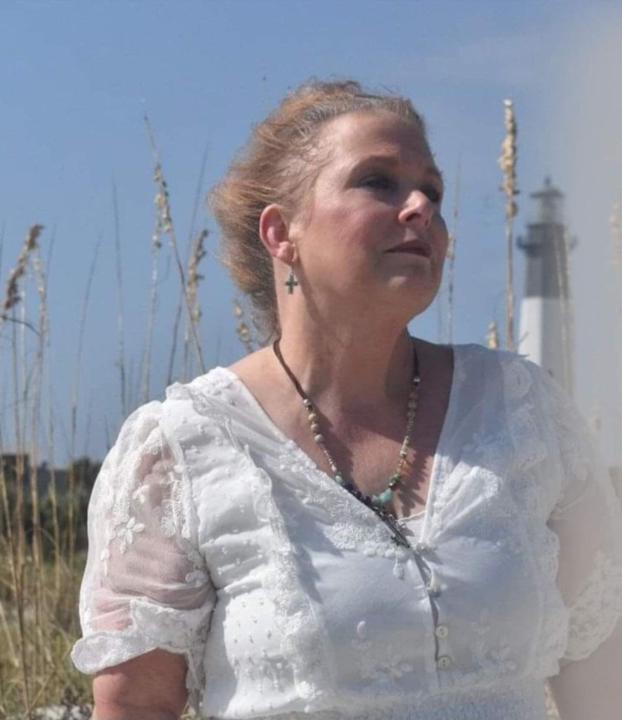
@ingrid-hill-9361
I am a wife, mother, and grandmother. I have been married 35 years. I am passionate about serving the Lord and my family. I love singing for the Lord.
Active 8d ago
Joined Dec 24, 2025
Powered by