Activity
Mon
Wed
Fri
Sun
Aug
Sep
Oct
Nov
Dec
Jan
Feb
Mar
Apr
May
Jun
Jul
What is this?
Less
More
Memberships
Guitar Gym Pro (free)
3.2k members • Free
Rock N Blues Fretboard Friends
36 members • Free
Jazz By Ear
7 members • $39/month
Ukulele Nerds
117 members • Free
Signal Guitar Skool
51 members • Free
Jazz Guitar Vault
560 members • Free
Playback Community
948 members • Free
Fretboard Freedom
357 members • Free
Jazz Skool
1k members • Free
3 contributions to Rock N Blues Fretboard Friends
Apr 1 •
Kicking Things Off! (Introductions)
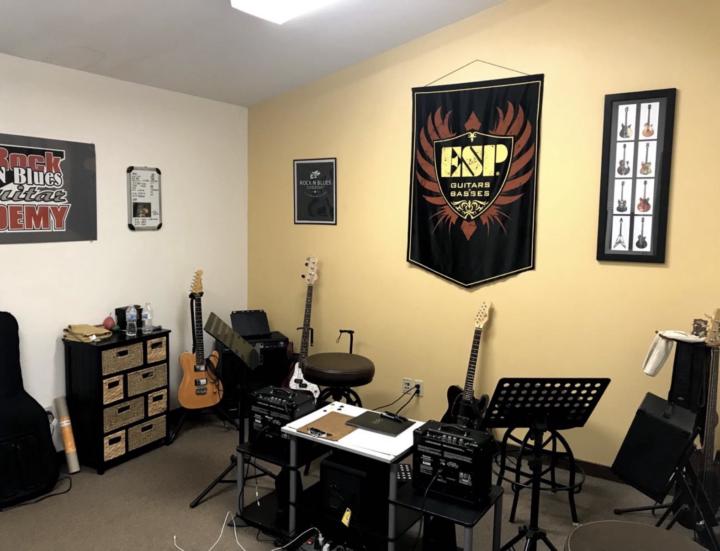
I’ll start things off! I’m Sean, a guitar instructor from Texas, I have been teaching since the mid 90s. I’ve had a brick and mortar Guitar Academy since 2004. I’ve been teaching online since 2009. Tell me about you! I’d love to hear your story! Doesn’t have to be elaborate, just what you play how long, any favorite guitars or bands or passions, and anything else you’d like to share! I was a fixture in the Musicians Talk Forum on Ultimate Guitar, which many of you have probably heard of. This was where we all talked music theory and helped other guitarists. I’ve made many great friendship over the years from people there! Currently, I am one of the leaders in the Facebook community “Guitar and Music Theory” which has over 100k members. Beyond all of that, helping others is a passion of mine, and I have been fortunate to have picked up some very unique insights about music and making it easy for others to do the same. I really just want to grow a really tight knit community of like minded players, and hang out, help one another, so if you’d like to join in, welcome aboard, and I hope to be a positive influence in your own guitar journey. One thing that I hope we can do are those virtual meetups, where we just hang out and talk about whatever. and I’m excited to see where that goes. Below is a picture of my studio, where I’ve been teaching out of since 2016. Look forward to getting to know everyone and making new friends!

0 likes • 6d
@Ron Williams Look into the story of Pat Martino! One of the best jazz guitar players in the world. Had a brain aneurysm and lost his memory completely. Retaught himself to play and returned to the stage! Took several years to do this.
11d •
By Request - crunch, boost, overdrive, whhaaaat??
With so many different ways to assimilate tone/sounds, the buzzwords can be dowright confusing! What is what? Are there differences, and how can i use this marketing babble to my advantage? Whether you’ve been playing since the ‘90s grunge (or earlier) or brand new to the wonderful world of guitars, pedals, and amps, we all at some point have or will face these different terms. So let’s cut through the marketing fluff and hopefully by the end you’ll have a better idea of these ideas! Boost This one’s your reliable buddy. It doesn’t really color your sound—it just gives it a high five and turns the volume up. In tube amps, where a little volume knob magic kicks your amp into its natural sweet spot - which is with a little more grit, it beats turning your volume in the fly… or it allows you to punch through a solo without wrecking the tone you already have and love. Think of it as the clean shot of adrenaline, or caffeine, if you will, for your set up. A transparent volume boost, if you will. Doesnt color the sound just boosts what’s already there! Overdrive This is the heart of what most of us actually play week in and week out. Soft clipping, warm breakup, and it has this touch sensitivity that still lets you cotrol what you hear. Play lightly and it stays pretty and clean. Dig in and it bites a little bit. They give you that mid-’70s to early-’90s rock and blues flavor without sounding like a pedal is doing all the work. Crunch This one’s not really a separate pedal category, more like descriptive of that magical “sweet spot” many guitarists chase. It’s overdrive with a little more hair on it—gritty enough to sound alive on power chords, but still clear when you play full chords. Think AC/DC rhythm guitars, where it sounds heavy but is actually just full and punchy, The same with early Metallica, or the Stones. You can get it from your amp’s rhythm channel, a medium-gain overdrive, or just backing off your guitar volume a bit. Distortion This is when things get a little more power. Harder edged buzzsaw tones, tighter low end, longer sustain, and more aggression. It’s fantastic when you want that wall-of-sound chunk for harder rock or metal moments, but it can get a little fizzy or compressed if you just go full on nuclear with the tone. Distortion, needs a little control and nuance, and work best when used with intention.
1 like • 9d
Some sound examples would be great!
1-3 of 3
Active 12m ago
Joined Jun 21, 2026
Ventura California USA