Activity
Mon
Wed
Fri
Sun
Jun
Jul
Aug
Sep
Oct
Nov
Dec
Jan
Feb
Mar
Apr
May
What is this?
Less
More
Memberships
Living Lightly Worldwide
14 members • Free
9 contributions to Living Lightly Worldwide

25d •
The Habit of Immediate Action
Over the past week, I’ve noticed how quickly the mind moves to solving. A small issue presents itself — in the garden, in the home, in conversation — and almost immediately, there’s a pull to act, to fix, to decide. But not all situations need a solution straight away. Sometimes what’s needed first is simply to notice what is actually happening. Where have you noticed yourself moving quickly to solve or act this week? What changes when you pause instead? You’re welcome to share if it feels helpful, or simply sit with the question over the coming days.

1 like • 12d
"Thank you, I won’t forget what I’ve learned from you." 👍O = Observe R = Reflect L = Listen A = Act
1 like • 3d
I love this interpretation. Thank you for sharing such a meaningful perspective.
20d •
April: Tending what’s already growing
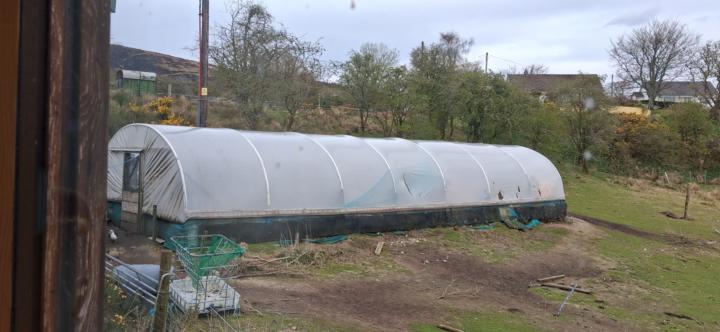
At this time of year, there’s a natural pull to expand — to sow more, do more, begin more. But many of us are already tending a great deal. Family, ageing parents, land, animals, work, students… Each one a living system requiring care, attention, and energy. When we overextend, something gets neglected. And often it’s not the obvious things. It’s the quieter layers: - relationships that need time rather than efficiency - our own energy and capacity - thoughts and patterns that shape how we respond to everything else Left untended, these don’t stay still — they grow, just not always in the direction we would choose. This is where the foundations of practice matter. Learning how we think and how we see (PP1 & PP2) isn’t just about land. It’s about recognising what is actually present — both visible and invisible — and responding with care. A few prompts for this week: What am I already responsible for tending? (name it honestly) Where is something asking quietly for attention? What feels slightly “off course” but still recoverable? What small act of care would make a difference here? Small, attentive shifts now prevent much bigger interventions later. That’s tending in practice.
1 like • 12d
"You are really a true nature teacher."
13d •
Consistency versus intensity
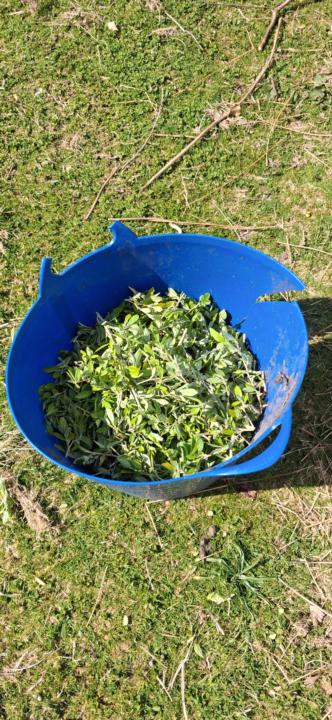
April: Tending what’s already growing I’ve been thinking about the difference between consistency and intensity. Around here, many “gardening” services arrive with a van full of power tools. Everything is cut back hard, cleared quickly, loaded up… and taken away. Then the cycle repeats a few weeks later. It looks efficient. But I’m not convinced it serves the land — or the people — particularly well. My approach is much quieter. I tend to keep secateurs in my pocket and move slowly through the garden whenever I’m outside. A snip here, a small adjustment there. Almost daily, when the weather allows. Over time, this light, consistent attention: – keeps things in shape – provides cuttings for propagation – creates mulch – feeds livestock – returns nutrients back into the system No petrol. No noise. No sudden shock to the landscape. Just small, ongoing care. It’s easy to assume that doing things faster or more forcefully is somehow better. But in many cases, it’s simply more visible — not more effective. Tending asks something different of us: patience, presence, and a willingness to work with what’s already here. Small, steady actions don’t look dramatic. But they’re what allow systems — and relationships — to truly flourish. This is the kind of thinking behind the Small Shifts approach — learning to notice, then respond with care.
1 like • 12d
"Thanks Kath, I like your idea about slow and consistent care in gardening. It’s very thoughtful."
Mar 24 •
Small Shifts in Practice
I'm going to start sharing short recordings of living lightly in practice, following the seasonal monthly rhythms of my Small Shifts guide. I'm just learning how to use the technology, so you'll have to excuse my bobbing head and the typo. Feedback and constructive criticism gratefully received.

0 likes • Mar 31
Thank you for sharing, looking forward to your recordings! It sounds inspiring, can’t wait to see more
Mar 27 •
Attention & Intention — Microclimates in Practice
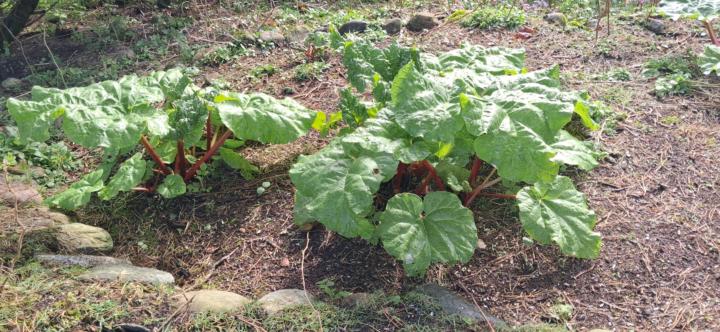
As we come to the end of March, I’ve been paying close attention to what’s emerging in different parts of the garden. The rhubarb has offered a clear lesson. Plants growing in a more sheltered position, with protection from the maritime winds and access to afternoon sun, are already well established and ready for harvesting. In contrast, those in more exposed areas—despite receiving morning sun—are only just beginning to emerge, held back by cold winds and harsher conditions. Same plant. Same garden. Very different outcomes. A simple but powerful reminder of the influence of aspect and microclimate niche. This is where attention becomes intention. Rather than accepting the difference, I’m acting on it—dividing some of the stronger, south-facing plants and relocating them into more protected spots. The aim: to work with these conditions and support a larger, earlier harvest. Small observation → informed decision → practical action. Pause point (ORLA): What differences are you noticing in your own space right now? Where might a small shift in placement, protection, or timing lead to a significantly different outcome?
1 like • Mar 29
Thank you, Cath 🌿 I liked the idea of microclimates and how small differences can affect growth. It encouraged me to pay more attention to the small details in my daily life 🌱
1-9 of 9

Active 3d ago
Joined Feb 26, 2026