Activity
Mon
Wed
Fri
Sun
Aug
Sep
Oct
Nov
Dec
Jan
Feb
Mar
Apr
May
Jun
Jul
What is this?
Less
More
Memberships
Southwest Mushrooms
151 members • $59/month
52 contributions to Southwest Mushrooms

Mar 19 •
Outside GROW! SO. CAL. (DRY HEAT!)
¿Outside Grow - just BUILT the foundation, haven't started... YETi! Does anyone/anybody/anything have "outside" growing EXPERIENCE ‽
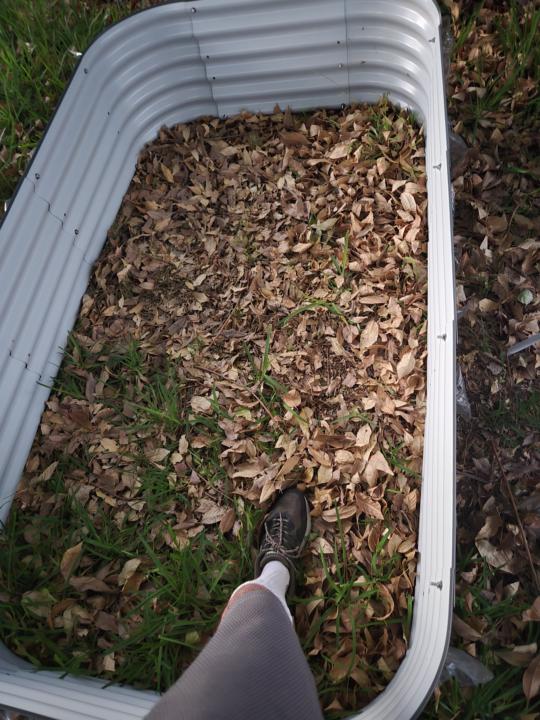

1 like • Mar 20
@Ryan Robb Peace Beautiful! Do you have to char the logs?
0 likes • Apr 8
@Michael Masdeo Peace. lol. Cali blue is grows great in our climate and seems to resist allot of pest.

Apr 3 •
Oyster Mushrooms
Hello! My oyster mushrooms are growing, and seem to not be flattening out or opening up. Is this normal, or any suggestions on the growing conditions?
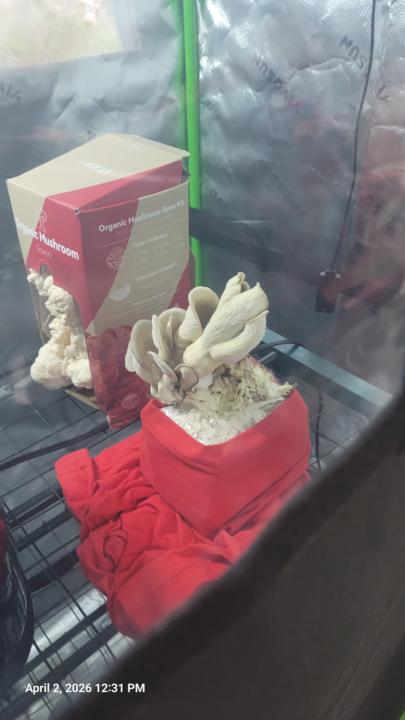
0 likes • Apr 4
Here is one of my similar setups. I typically only get fruit from the areas exposed to fresh air. Things like cardboard and fabric can absorb moisture and collect bacteria. Wrist are your temps and humidity levels?
0 likes • Apr 5
@Giovanni Rossoni Lions mane and oysters mushrooms have different humidity requirements. I keep my humidity levels for oysters mushrooms in the 90's. What type of lions mane are you growing? I have experienced growth patterns similar to your photo when i top fruit Italian oysters.


1 like • Apr 5
Peace @Salah Mustafa Beautiful setup

Apr 1 •
Beginner🌻
Hello everyone, I’m grateful to be here. I’m feeling genuinely called to deepen my relationship with my food in a more conscious and hands-on way. Lately, I’ve started a new farmers market ritual that has become very meaningful to me. It’s bringing more appreciation, presence, and connection to the food I choose, prepare, and receive. In that spirit, learning to grow mushrooms feels like a meaningful next step. It feels practical, nourishing, grounding, fun, and even sacred. I was guided to this community by Elijah Woods, whom I trust deeply, after I shared my interest in purchasing a grow kit. After exploring the posts and watching Michael Crowe’s outstanding videos, I feel extremely confident that this was the right place to begin. I already find this space very welcoming, generous, and abundant. Happy to be here, and I’m looking forward to learning with you all. P.S. Starting with a California Blue Oyster Mushrooms grow kit.
0 likes • Apr 2
@Paula Estes Peace. It's awesome to see you here.
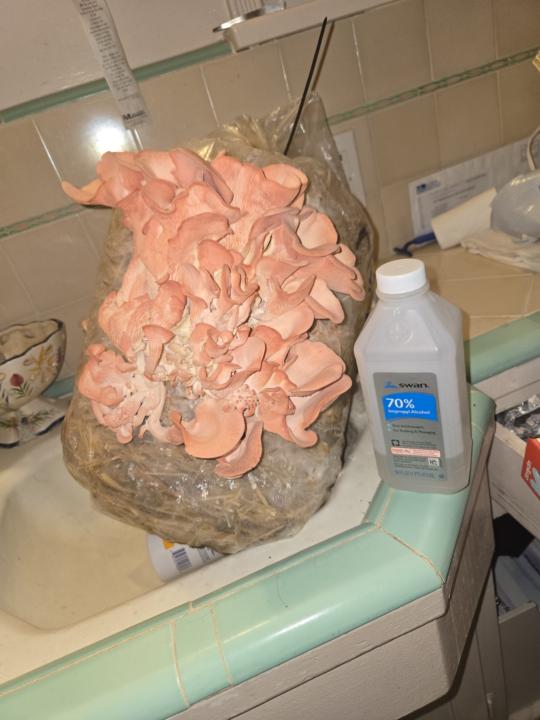
2 likes • Mar 20
@Michael Masdeo Peace. That appears ready to harvest
1 like • Mar 20
@Michael Masdeo Peace. It appears your bouquet is mostly developed. You can keep growing them but my experience tells pinks will start to become fragile when overgrown.
1-10 of 52

@elijah-woods-8821
Healer
Author/Channel for
Healing Hz - Tools for the 144,000
Active 59d ago
Joined Dec 20, 2025