Activity
Mon
Wed
Fri
Sun
Oct
Nov
Dec
Jan
Feb
Mar
Apr
May
Jun
Jul
Aug
Sep
What is this?
Less
More
Owned by Ekiba
Whether you serve it or ship it—Master the sea moss gel systems built for real production and real profit. For cafés, juice bars & e-commerce brands.
9 contributions to Sea Moss Mastery

13d •
Skool Closing
I sent a message this week about this Skool community closing. You can continue to purchase dried sea moss at seamossmastery.com
0
0
15d •
Skool Closing
Hi everyone, I wanted to let you know that I’ll be closing the Sea Moss Mastery Skool community as I transition all of my courses and resources over to my Shopify platform. This move allows me to keep the courses and products in one place while providing a better purchasing experience, including more flexible payment options such as PayPal and Buy Now, Pay Later on eligible purchases. If you’ve already purchased a course through Skool, your purchase will still be honored and I’ll make sure you receive access to your course on the new platform. Thank you for being part of the community and for your continued support of Sea Moss Mastery. — Ekiba
0
0
Jul 20 •
The Problem With AI-Written Sea Moss Copy
The sea moss space is full of people calling themselves experts. Most of them came for the money. They saw a trend, slapped "expert" on their bio, and never bothered to actually learn the plant. Here's what most won't tell you: AI has the same problem. The U.S. sea moss industry is young, and a lot of the info Americans fed into these AI models was wrong from the start. Pool-grown noise. Mislabeled species. Marketing dressed up as fact. A few things AI keeps getting wrong: - Calling Gracilaria and Eucheuma "Irish sea moss" (they're not) - Treating pool-grown like it's the standard - Repeating the same misinformation back to you with total confidence I spent 8 months watching AI get sea moss wrong. At first I corrected it. Then I realized: why am I doing the machine's homework? I don't call myself an expert. Experts stop learning. I'm 7 years into mastering sea moss, and mastery is a practice, not a finish line. Full breakdown is on The Mastery Journal.
1
0

Jul 1 •
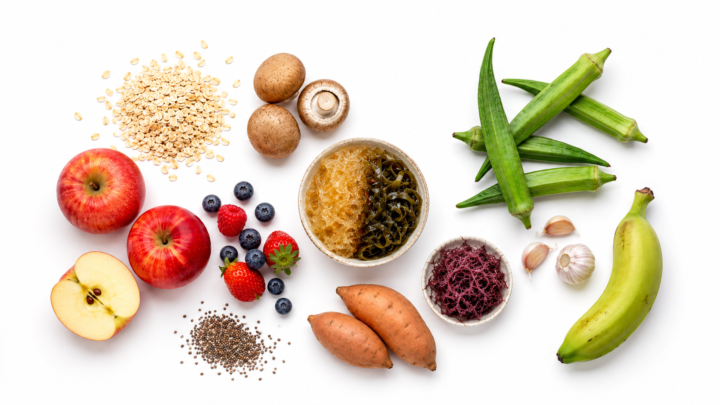
Your Gut Bacteria Are Hungry, And Bored of the Same Fiber
The problem with "just eat more fiber" You've heard it your whole life: eat more fiber, it's good for your gut. True — but it skips the part that actually matters. Fiber isn't one thing. It's a whole spectrum of structures, and your gut bacteria respond to each one differently. Here's the short version: your gut is home to roughly 38 trillion bacteria, and they don't all eat the same food. Feed them one kind of fiber, and you feed one slice of the ecosystem. Real gut health comes from variety — from giving the different microbes the different fibers each one needs. Fiber isn't fiber. Let's walk the spectrum. How does fiber feed the gut biome? When you eat fiber your body can't digest, it travels to your colon, where bacteria ferment it. That fermentation produces short-chain fatty acids — acetate, propionate, and butyrate. Butyrate is the one to know. It's the primary fuel for the cells lining your gut. The evidence is striking: gut cells from animals with no microbiota and no butyrate are energy-starved and underactive — and when butyrate is restored, those cells come back to life. The entire point of feeding your gut bacteria well is to keep this fuel flowing. And because different fibers feed different bacteria, variety is the whole game. Probiotic vs. Prebiotic A probiotic is the live beneficial bacteria itself — the actual microorganisms that live in your gut. When you eat fermented foods like sauerkraut, kimchi, yogurt, kefir, or miso, you're adding live bacteria to the population. That's a probiotic: you're sending in more good residents. A prebiotic is the fiber that feeds the bacteria already living there. You can't digest it, but your gut microbes ferment it — and that fermentation is what produces the short-chain fatty acids like butyrate. Inulin, pectin, resistant starch, and the marine gel fibers in sea moss are all prebiotics. You're not adding bacteria, you're feeding the ones you've got so they thrive and multiply. The fiber spectrum, and the foods that carry each
0
0
Jun 21 •
Why Your Sea Moss Costs Are Eating Your Margins (And How to Fix It)
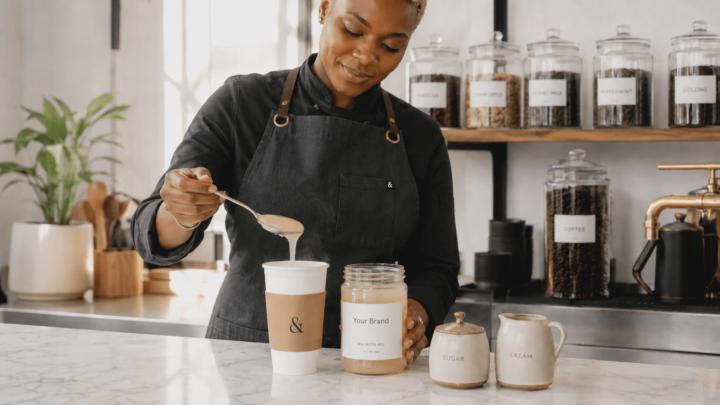
If you're running a café or juice bar and buying sea moss gel by the jar, your margins are quietly bleeding out — and you probably don't even see it on your profit and loss statement. Here's the math most café and juice bar operators never actually run. The Cost of Buying Finished Sea Moss Gel When you purchase finished sea moss gel wholesale, you're paying somewhere between twelve and fifteen dollars per jar. You add it to your menu, you sell it in a smoothie or wellness shot, and on the surface, the markup feels solid. But that jar already carries someone else's labor costs, packaging expenses, and their profit margin built into the price. You're the last person in the supply chain — which means you're working with the thinnest margin in the entire line. That's the problem nobody talks about. The Real Yield: What Raw Sea Moss Actually Becomes Raw, wild-harvested sea moss hydrates roughly ten to fifteen times its dry weight. This is where the game changes. Give your sea moss room to expand properly — soak one ounce per container using plenty of water, around a half gallon for two ounces — and that two ounces of dry moss can transform into about fifty-six ounces of finished gel before you've blended in a single ingredient. Your exact yield will vary with the moss quality, your soak time, and your preparation method, but even on the conservative end, the numbers tell a clear story. Two ounces becomes fifty-six ounces. What That Means for Your Bottom Line When you gel sea moss in-house, that same jar costing you twelve to fifteen dollars finished costs you a fraction of that to produce — and you control three critical things: quality, freshness, and consistency. One batch pays you twice: once in the profit margin you keep, and again in the premium your customers will pay for fresh, made-in-house gel versus something that arrived in a box.
2
0
1-9 of 9

@ekiba-joseph-3133
Holistic Nutritionist, producing sea moss - 7 yrs & logistics - 25 yrs. I teach cafés, juice bars & online sellers how to do it right — and profitably
Active 7d ago
Joined Apr 21, 2026
Fort Lauderdale, FL