Activity
Mon
Wed
Fri
Sun
Sep
Oct
Nov
Dec
Jan
Feb
Mar
Apr
May
Jun
Jul
Aug
What is this?
Less
More
Owned by Edward
Do you need caregiving support? Join our community and connect with peers, access resources & webinars. You’re not alone—grow stronger together!
Memberships
Community Builders - Free
12.1k members • Free
EC
ELVEN CONRAD SMITH
3 members • Free
Skoolers
161.3k members • Free
The AI Advantage
127.6k members • Free
Nurse Impact Collective
52 members • Free
37 contributions to CareCFA Community

18m •
The Three Periods of Family Caregiving:
An Overview Across a lifetime, most people will encounter family caregiving in one form or another; whether as the person receiving care, the one providing it, or both. Yet the experience of being a family caregiver is not a single continuous state. It unfolds in three distinct periods, each with its own demands, identity shifts, and emotional terrain. These periods can be defined as: (1) the period before one becomes a caregiver, (2) while one is actively being a caregiver, and (3) life after caregiving ends. Understanding these three caregiving periods offer a clearer map of a role that is often entered without preparation and left without guidance. The Period Before: Not Yet a Family Caregiver In the first period, a person is not yet a family caregiver. From childhood through young adulthood (age 18 and under) and into later adult years, life is organized around other roles; such as being a child, student, young adult, spouse, parent, worker, friend, and adult child with living parents who are still independent. Responsibilities are real, but they do not yet include the sustained, often invisible labor of managing another person’s health, safety, medications, appointments, emotions, or daily functioning. This stage can feel deceptively permanent. Many people assume caregiving will arrive later, or that it will look different from the intense versions they have observed in others. Some prepare intentionally by discussing future wishes with aging parents, learning about local resources, or adjusting finances. Most do not. The period is characterized by relative freedom of schedule, a clearer separation between one’s own life and the needs of others, and an identity still largely defined by non-caregiving roles. It is also the stage in which the groundwork for later caregiving is (or is not) laid: relationships are strengthened or strained, conversations about illness and mortality are had or avoided, and practical knowledge is either accumulated or left for the crisis moment.
0
0

4d •
Community Activity For The Week Of August 2 - 8, 2026
- General Discussion * Be Specific ....... Have A Plan Of Needs Ready, Caregivers .... When Someone Asks "Let Me Know What I Can Do" By Rev. Dr. Gregory Johnson - * Behind Him Or Her ..... So True; Thank You, Caregivers By Rev. Dr. Gregory Johnson - * A Caregiving Song, By Dr. E. Gibbons, With Photos From Sahaja Bali Foundation By - Rev. Dr. Gregory Johnson - * Ubuntu: The Wisdom Every Caregiver Already Knows, By Rae Llasos - - Caregiving Wellness - * Movement Is Freedom, By Dr. Elven Smith - * Make Yourself Comfortable, By Dr. Elven Smith - * Caring For Me; Caring For You: A Thought and a Prayer For The Week, By Rev. Dr. - Gregory Johnson - * Don't Choke Your Loved One!!! By Dr. Elven Smith - * Love and Safety - Proper Transfer Techniques, By Dr. Elven Smith - * To Hear Or Not To Hear That Is The Question/Is Breathing Overrated? By Dr. Elven - Smith - * New Activities In Our Community, By Dr. Edward F. Gibbons, Jr. - * Evidence-Based Principles for Family Caregivers, By Dr. Edward F. Gibbons, Jr. Live Events & Webinars - * Coffee Hour With Dr. Edward F. Gibbons, Jr. Resource Center - * From Forbes In Facebook, By Rae Llasos -
0
0
5d •
New Activities In Our Community
Tomorrow at 10:00 a.m., Eastern Time Zone, I will be hosting a "coffee hour" to discuss how the CareCFA Community can best serve family caregivers. If you are available, please attend our first event!! Also, check the Wellness group for a new article titled - Evidence-Based Principles for Family Caregivers. This article is based on the best selling book by Ray Dalio titled "Principles." The article highlights 8 caregiver principles and how our Community addresses these principles. This essay will form the framework for future Community articles, workshops and discussion groups. I hope to see you at the event tomorrow at 10:00 a.m.
0 likes • 4d
Ava, let me know what time(s) are good for you.
5d •
𝐄𝐯𝐢𝐝𝐞𝐧𝐜𝐞-𝐁𝐚𝐬𝐞𝐝 𝐏𝐫𝐢𝐧𝐜𝐢𝐩𝐥𝐞𝐬 𝐟𝐨𝐫 𝐅𝐚𝐦𝐢𝐥𝐲 𝐂𝐚𝐫𝐞𝐠𝐢𝐯𝐞𝐫𝐬
𝐀 𝐅𝐫𝐚𝐦𝐞𝐰𝐨𝐫𝐤 𝐃𝐞𝐫𝐢𝐯𝐞𝐝 𝐟𝐫𝐨𝐦 𝐑𝐚𝐲 𝐃𝐚𝐥𝐢𝐨’𝐬 𝐂𝐨𝐧𝐜𝐞𝐩𝐭 𝐨𝐟 𝐏𝐫𝐢𝐧𝐜𝐢𝐩𝐥𝐞𝐬 𝐓𝐡𝐞 𝐅𝐨𝐮𝐧𝐝𝐚𝐭𝐢𝐨𝐧: 𝐖𝐡𝐚𝐭 𝐏𝐫𝐢𝐧𝐜𝐢𝐩𝐥𝐞𝐬 𝐀𝐫𝐞 In Principles (2017), Ray Dalio offers a definition that is both precise and practical: “Principles are fundamental truths that serve as the foundations for behavior that gets you what you want out of life. They can be applied again and again in similar situations to help you achieve your goals. Every day, each of us is faced with a blizzard of situations we must respond to. Without principles we would be forced to react to all the things life throws at us individually, as if we were experiencing each of them for the first time. If instead we classify these situations into types and have good principles for dealing with them, we will make better decisions more quickly and have better lives as a result. Having a good set of principles is like having a good collection of recipes for success.” — Ray Dalio, Principles (2017) 𝐓𝐡𝐞 𝐅𝐮𝐧𝐝𝐚𝐦𝐞𝐧𝐭𝐚𝐥 𝐏𝐫𝐨𝐛𝐥𝐞𝐦: 𝐂𝐨𝐧𝐬𝐭𝐚𝐧𝐭 𝐃𝐞𝐦𝐚𝐧𝐝 𝐰𝐢𝐭𝐡 𝐋𝐢𝐦𝐢𝐭𝐞𝐝 𝐂𝐨𝐧𝐭𝐫𝐨𝐥 Family caregiving is precisely the kind of recurring “blizzard” Dalio describes. Millions of individuals assume responsibility for relatives or close associates who experience functional limitations due to aging, chronic illness, dementia, or disability. At the center of this experience lies a structural problem that research and lived experience repeatedly identify: 𝐜𝐨𝐧𝐬𝐭𝐚𝐧𝐭 𝐝𝐞𝐦𝐚𝐧𝐝 𝐜𝐨𝐮𝐩𝐥𝐞𝐝 𝐰𝐢𝐭𝐡 𝐥𝐢𝐦𝐢𝐭𝐞𝐝 𝐜𝐨𝐧𝐭𝐫𝐨𝐥. The needs of the care recipient arrive continuously and unpredictably. Medical appointments, behavioral changes, nighttime disruptions, financial pressures, and emotional labor do not observe business hours or personal capacity. Simultaneously, caregivers often lack authority over the underlying disease process, the availability of formal services, the cooperation of other family members, or the trajectory of decline. The result is a chronic state of high demand and constrained agency. Without a set of tested principles, caregivers are forced to respond to each episode as if encountering it for the first time. Reactive decision-making becomes the default. Progressive overload follows. Preventable declines occur in both caregiver health and the quality of care provided. Systematic reviews and consensus reports demonstrate that these costs can be mitigated when caregivers adopt deliberate, evidence-informed practices (National Academies of Sciences, Engineering, and Medicine [NASEM], 2016; McHugh et al., 2025). The principles that follow are therefore offered as a practical classification system—fundamental truths drawn from randomized controlled trials, meta-analyses, and national guideline syntheses. When applied repeatedly to the recurring situations that define family caregiving, they function as Dalio’s “recipes for success.” More specifically, they restore a measure of control where control is possible and reduce the experience of unremitting demand where reduction is possible.
1
0

1-10 of 37
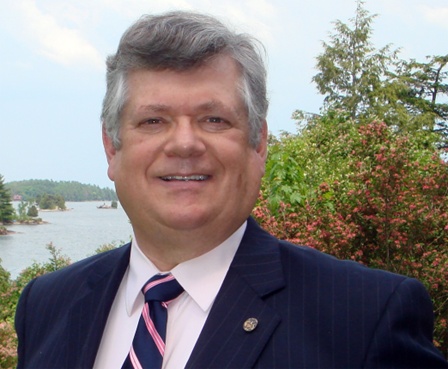
@edward-gibbons-4940
Edward F. Gibbons, Jr., Ph.D. is a scientific scholar management executive with over 35 years of experience in operational effectiveness.
Active 10m ago
Joined May 15, 2026
Melville, NHew York 11747
Powered by