Activity
Mon
Wed
Fri
Sun
Sep
Oct
Nov
Dec
Jan
Feb
Mar
Apr
May
Jun
Jul
Aug
What is this?
Less
More
Owned by Donna
Stop guessing what your Skool needs next. Research-backed guidance to design a community that works for your members and business. Growth. Engagement.
Kingdom Identity Network
110 members • $50/month
Inner Power Institute
19 members • Free
4 contributions to Ministry AI

Jun 12 •
I'll be in App Mode this Weekend- Suggestions?
I've been putting Anthropic's new Fable 5 model through its paces, and the best test I know is real work. So, here's an offer. Pitch me something in the comments: a tool you'd personally use, that other members of Ministry Unlocked would benefit from too, and small enough to build in a few hours. I'll pick one and "attempt it" and if successful and useful will be free for everyone in this community. Fair warning that "attempt" is the honest verb. To show what the model can do, I used it to build an interactive quiz and extensive scoring framework for Donna. This is just the frontend quiz: https://skoolology.netlify.app/ The reasoning is the strongest I've worked with, and I'd rather prove it on something you'll use than just say it. Let's get creative!

🔥
1 like • Jun 12
Thank you! Great tool! Love the scorecard!
🔥
0 likes • Jun 13
@Todd Thornton Noted. :)
May 31 •
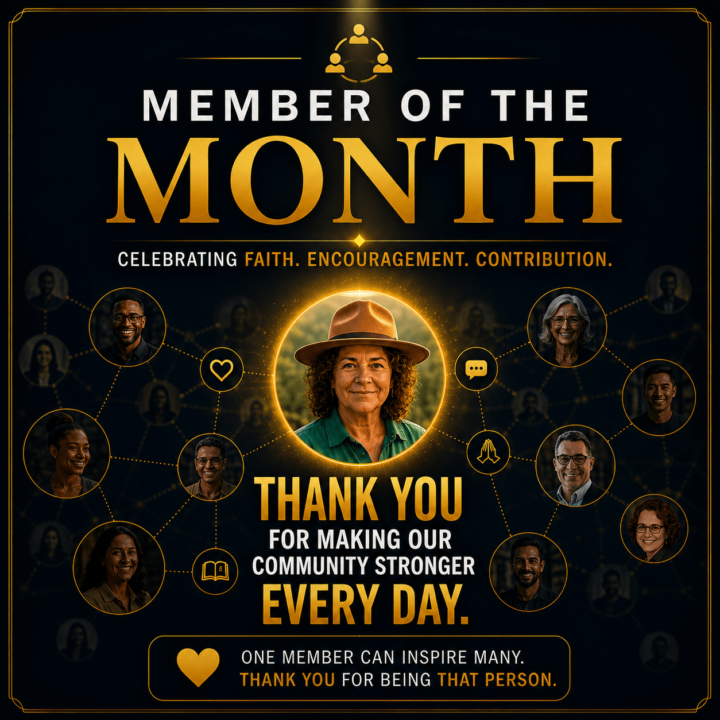
🎉 May 2026 Member of the Month: Jean Day McCarthy! 🎉
We are thrilled to recognize @Jean Day McCarthy as our Member of the Month for May 2026. Jean currently sits at the top of our 30-day leaderboard, but that is only part of her story. What truly sets her apart is the encouragement and positivity she brings to this community every single day. Her energy is genuinely contagious, and it lifts everyone around her. From what we can tell, this is not something she turns on just for us. She shows up the same way across other communities and within her own. Jean is the founder of The Digital Trail Guide on Skool, where she helps women 50+ navigate their own paths forward. It is fitting work for someone with her background as a park ranger, where guiding people through unfamiliar terrain was part of the job. She has simply traded the trails of the wilderness for the trails of the digital world. 𝗝𝗲𝗮𝗻, 𝘁𝗵𝗮𝗻𝗸 𝘆𝗼𝘂 𝗳𝗼𝗿 𝗯𝗲𝗶𝗻𝗴 𝗲𝘅𝗮𝗰𝘁𝗹𝘆 𝘄𝗵𝗼 𝘆𝗼𝘂 𝗮𝗿𝗲 𝗮𝗻𝗱 𝗳𝗼𝗿 𝘀𝗵𝗮𝗿𝗶𝗻𝗴 𝘁𝗵𝗮𝘁 𝘄𝗶𝘁𝗵 𝗮𝗹𝗹 𝗼𝗳 𝘂𝘀. Normally, being named Member of the Month comes with the option to have me write a song about you and/or your community somewhere down the road. Jean, though, did not have to wait. Her spirit impressed me so much that her anthem was written a couple of months ago. It is called "You Were Made for This Climb," and I think the title says everything about who Jean is. 🎉 𝗖𝗼𝗻𝗴𝗿𝗮𝘁𝘂𝗹𝗮𝘁𝗶𝗼𝗻𝘀, 𝗝𝗲𝗮𝗻. 𝗧𝗵𝗶𝘀 𝗿𝗲𝗰𝗼𝗴𝗻𝗶𝘁𝗶𝗼𝗻 𝗶𝘀 𝘄𝗲𝗹𝗹 𝗲𝗮𝗿𝗻𝗲𝗱. Let's all give her a well-earned round of applause! 👏
🔥
1 like • May 31
@Jean Day McCarthy 😍
🔥
2 likes • May 31
@Jean Day McCarthy 😘
May 28 •
What AI Training Matches Your Community/Ministry?
When I design online training, I never take a cookie cutter approach. Each one is built to help a specific group grow. For example, I'm working with a Skool community owner right now, and we're likely going to focus on how their members can use AI to connect better with their families and kids. That's not what you typically think of with AI training. I always start by looking at the community itself and figuring out where AI genuinely fits. This felt like a good opportunity to ask: 𝗪𝗵𝗮𝘁 𝗸𝗶𝗻𝗱 𝗼𝗳 𝗔𝗜 𝘁𝗿𝗮𝗶𝗻𝗶𝗻𝗴, 𝗼𝗿 𝗮𝗻𝘆 𝘁𝘆𝗽𝗲 𝗼𝗳 𝘁𝗿𝗮𝗶𝗻𝗶𝗻𝗴, 𝘄𝗼𝘂𝗹𝗱 𝗵𝗲𝗹𝗽 𝘆𝗼𝘂𝗿 𝗺𝗲𝗺𝗯𝗲𝗿𝘀 𝗴𝗿𝗼𝘄?
🔥
0 likes • May 28
@Charlie Schaffer 🤣🤣
🔥
0 likes • May 28
@Charlie Schaffer Good one! Those weeds often get in the way.
Mar 26 •
Welcome. Your First Step Starts With "One" Word.
Hey, I'm Todd Thornton, and I am so glad you're here. Ministry looks different for everyone. Whether you're on staff, volunteering, or just trying to make a difference, AI can help you do it better. Three things I want you to know right up front. 1) Don't just lurk. Post (1) one word in the comments. An AI tool you use, something you want to accomplish, a hidden talent. Anything. I will personally respond to every single one with my best idea for how I can help. If I'm wrong, the egg is on my face and some responses might be hilarious. 2) This is a "public" community. Everything here is visible, searchable, and shareable, even to non-members. That's on purpose. We want people to find this content. But if that's not for you, no hard feelings at all. 3) This is a link-free thread. Leave the URLs out and bring the real you. We want your thoughts, your questions, and your experience, not your bookmarks. If you are not a member you won't be able to comment or track completion in courses, but if you find something you like, just grab the link and share it freely. Posts, course pages, anything. We believe in full transparency. This is just who we are. If you're still in, let's take it one step at a time. Step one is simple. Drop only (1) ONE word in the comments below and let's see how creative Todd can get with his response.

🔥
3 likes • Mar 26
@Lisa Vanderveen 😂
🔥
4 likes • Mar 26
@Jean Day McCarthy Good one. :)
1-4 of 4
🔥
@donna-link-9467
👉 Where community builders become entrepreneurial leaders.
Build skills. Create impact. Grow income.
Learn. Lead. Build.
Online now
Joined Mar 13, 2026
Bowling Green, KY
Powered by