Activity
Mon
Wed
Fri
Sun
Jan
Feb
Mar
Apr
May
Jun
Jul
Aug
Sep
Oct
Nov
Dec
What is this?
Less
More
Owned by The
The Multiplier Lab for the One Quarter Equals A D$LLAR Blueprint. Build and automate your financial firewall using the Discipline Mandates.
Memberships
Free Skool Course
11k members • Free
Skoolers
181.6k members • Free
20 contributions to The Multiplier Lab

19h •
What Is A Codifier?
A codifier organizes and compiles existing laws, rules, or data into a systematic, logical code or collection, making them clear, consistent, and easy to use, without typically creating new laws but rather structuring what already exists for better accessibility and enforcement, common in legal systems, municipal governance, and even software. Key Functions of a Codifier: - Organization: Arranges disparate laws, rules, or information into a coherent, subject-based structure (a "code"). - Compilation: Gathers all relevant statutes, ordinances, or decisions into one comprehensive document. - Clarification: Removes inconsistencies, obsolete provisions, and errors to ensure clarity and uniformity. - Accessibility: Creates an easy-to-reference system for the public, legal professionals, or government staff. - Maintenance: Keeps the code current by incorporating new legislation and updating outdated elements, ensuring it remains enforceable and relevant. Examples in Practice: - Legal Systems: In civil law countries, codifiers create systematic codes (like a Civil Code) from centuries of laws and judicial decisions. - Municipalities: Professional codifiers organize local ordinances (city laws) into a clear, searchable municipal code for residents. - Legislation: Lawmakers may "codify" a Supreme Court ruling (like Roe v. Wade) by passing a federal law to inscribe that decision's principles into statute. What the One Quarter Equals A D$llar blueprint does for you is it ensures that you can systematically build you wealth from the ground up using the same principles and laws the wealth have been using for ages. This system streamlines all the pertinent information needed without all the red tape to ensure success. No system can guarantee anything. Only the one using it makes the guarantee. Using this system does not only codify your finances, but it will also codify your thinking life health and pursuit of happiness. If this sparks some understanding and want the Free Inside Look just type "👀" in the comments.
0
0
20h •
Blueprint Thinking
The blueprint teaches: heat is perishable. Curiosity peaks in the moment, and if we don't bridge to commitment fast, it fades. That's why the system mandates striking while the iron's hot.
0
0
2d •
Mumbo Jumbo?
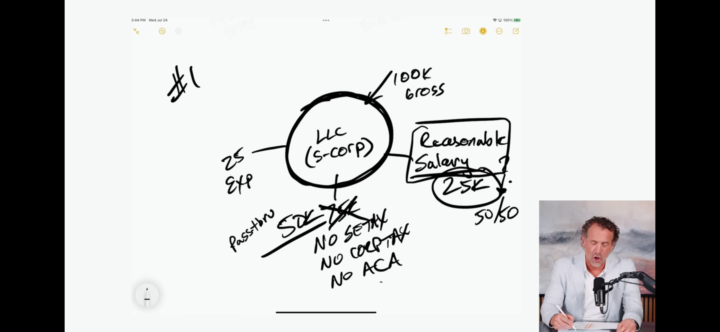
Not at all. In this community you will learn how to protect your income you will pay yourself with from the IRS. Check the classroom Mandate 2
1
0
1-10 of 20

@donald-wiggins-4671
The Multiplier Lab for the One Quarter Equals A D$LLAR Blueprint. Build and automate your financial firewall using the Discipline Mandates.
Active 3h ago
Joined Dec 7, 2025
United States