Activity
Mon
Wed
Fri
Sun
Oct
Nov
Dec
Jan
Feb
Mar
Apr
May
Jun
Jul
Aug
Sep
What is this?
Less
More
Owned by Derick
Experience sound healing for rest and sleep, with real music performed by Derick Thomas and Solfeggio tones. Join our community.
We created a space for His voice to be the Biggest voice in the room. Join us Sundays 11am EST
Skoolers
155.5k
Free
242 contributions to ChurcHouse (Presence Driven)


2d •
Go Deep, Then Sound Clearly
1. Where are you most tempted to skim? 2. Do you rush interpretation, rush delivery, or move on before an impression has been tested? 1. Can you remember a time when God gave you a word primarily to change you? 2. What practice would help you stay with God longer before speaking? 3. How can our community honor depth without making the final release confusing or overly complicated? Chapter 7 gives a practical structure for a responsible alarm. First, state what God is revealing as plainly as possible. Second, explicitly reject fear and panic. Third, give specific actions. Pray for what? Repent of what? Prepare how? Speak to whom? Wait for what? Fourth, identify the correct audience. Some burdens belong in private prayer. Some belong in the counsel of mature leaders. Some belong to a local congregation or city. Only some belong on a public platform. 1. What makes a prophetic warning clear rather than vague? 2. How can we tell whether a warning belongs in prayer, in leadership counsel or in public? 3. What damage occurs when a warning is released without instruction? Activation: Search, Shape and Sound Step one: Search for two minutes. Ask the Holy Spirit, What are You saying to strengthen, protect or prepare this community or city? Remain quiet. Write only what you receive. Do not interpret yet. Step two: Test for two minutes. Write a Scripture that aligns with the impression. Ask whether the word reflects the nature and purposes of Jesus. Ask whether any part may be coming from fear, assumption or current news. Step three: Shape for two minutes. Put the word into four short lines: What is God highlighting? Why should we not fear? What specific response is He asking for? Who is the intended audience? Step four: Sound for one minute. Was the sound clear? Was there practical direction? Did the word produce faith and readiness rather than fear? Was the intended audience clear?

3d •
Tonight we stand with Nebraska, The Unique State.
The book calls Nebraska to unite rural and urban intercessors, confront false ideology and carry a Joseph anointing for food, funds and revelation. Let us pray for believers who can hear Heaven, prepare wisely and release what others will need in the proper season. Prophetic Community meets first at 7:00 PM Eastern. We will study The Deep Search and Sounding the Alarm Rightly from Chapters 6 and 7 of The Fourth Watch. At 9:00 PM Eastern we will release the prophetic sound over Nebraska. Come ready to listen deeply, speak clearly and respond faithfully. Connect and invite others at skool.com/churchouse
0
0


1-10 of 242
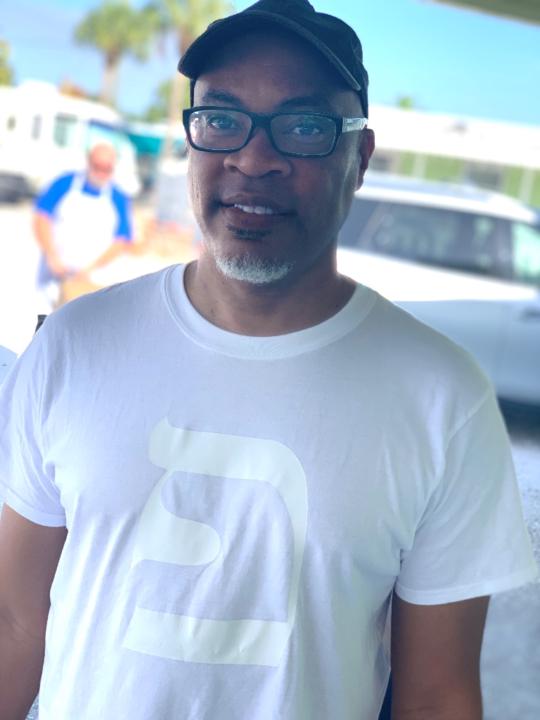
@derick-thomas-1754
Sound Therapist/Music Therapist/Professional Musician/Creator/Author/Dove Nominee/God Lover/Husband/Father
Active 6h ago
Joined Dec 8, 2025
ISTJ
Powered by