Activity
Mon
Wed
Fri
Sun
Aug
Sep
Oct
Nov
Dec
Jan
Feb
Mar
Apr
May
Jun
Jul
What is this?
Less
More
Memberships
Trinity Wellness Center of KY
26 members • Free
4 contributions to Trinity Wellness Center of KY

Apr 28 •
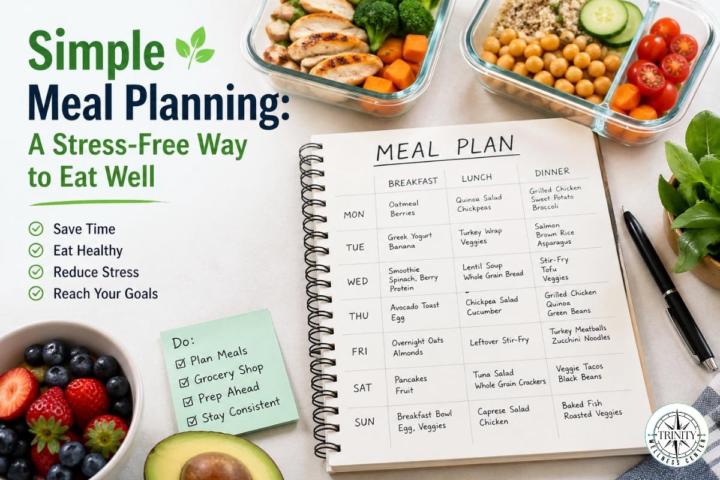
Simple Meal Planning: A Stress-Free Way to Eat Well
Feeling overwhelmed by “what’s for dinner?” You’re not alone. Simple meal planning can help you save time, eat healthier, and reduce daily stress—without making life complicated. It’s all about small, realistic steps that fit your routine. In our latest blog post, you’ll learn how to: ✔ Plan meals without overthinking ✔ Build balanced, satisfying plates ✔ Save time during busy weeks ✔ Stay flexible while still staying on track You don’t need perfection—you just need a simple plan that works for you. 👉 Read the full post here: Simple Meal Planning: A Stress-Free Way to Eat Well 💬 What’s one thing that makes meal planning hard for you right now?

3 likes • Apr 29
For me, it's a lack of organization and a lack of interest. I hate thinking about food, so I often put off shopping until I have to, and then I just grab whatever is convenient. Or I just don't eat until I get shaky and then I make poor choices.
Apr 10 •
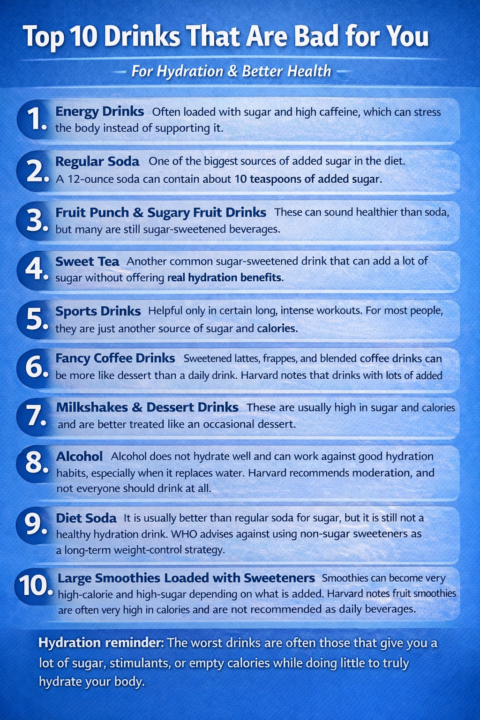
Poll Results on "The Worst Thing You Can Drink"
The worst drinks are usually the ones that give you a lot of sugar, stimulants, or empty calories while doing very little to truly hydrate your body. (Read More) *****The one I would rank worst: Energy drinks.******* They can combine high sugar, high caffeine, and added stimulants all in one drink. Harvard notes they may have as much sugar as soft drinks, enough caffeine to raise blood pressure, and additives with uncertain long-term effects, which is why they are best skipped. Here’s a practical top 10 list of drinks that are bad for you ****if your goal is hydration and better overall health****: 1. Energy drinks: Often loaded with sugar and high caffeine, which can stress the body instead of supporting it. 2. Regular soda: One of the biggest sources of added sugar in the diet. A 12-ounce soda can contain about 10 teaspoons of added sugar. 3. Fruit punch and sugary fruit drinks: These can sound healthier than soda, but many are still sugar-sweetened beverages. 4. Sweet tea: Another common sugar-sweetened drink that can add a lot of sugar without offering real hydration benefits. 5. Sports drinks: Helpful only in certain long, intense workouts. For most people, they are just another source of sugar and calories. 6. Fancy coffee drinks: Sweetened lattes, frappes, and blended coffee drinks can be more like dessert than a daily drink. Harvard notes that drinks with lots of added sugar should be limited. 7. Milkshakes and dessert drinks: These are usually high in sugar and calories and are better treated like an occasional dessert. 8. Alcohol: Alcohol does not hydrate well and can work against good hydration habits, especially when it replaces water. Harvard recommends moderation, and not everyone should drink at all. 9. Diet soda: It is usually better than regular soda for sugar, but it is still not a healthy hydration drink. WHO advises against using non-sugar sweeteners as a long-term weight-control strategy. 10. Large smoothies loaded with sweeteners: Smoothies can become very high-calorie and high-sugar depending on what is added. Harvard notes fruit smoothies are often very high in calories and are not recommended as daily beverages.
2 likes • Apr 13
What is your take on flavored sparkling waters? I get the Walmart brand, which does have artificial sweeteners but no sodium. I don't drink anything on the above list on a regular basis other than the occasional diet soda if I'm eating out or an iced coffee on the rare occasion, but I do love my bubbly waters.
Apr 9 •
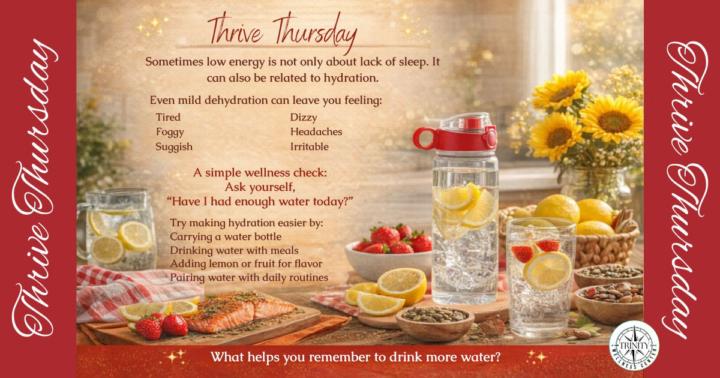
✨ Thrive Thursday
Sometimes, low energy is not only about lack of sleep. It can also be related to hydration. Even mild dehydration can leave you feeling:• Tired• Foggy• Headachy• Sluggish A simple wellness check: Ask yourself, “Have I had enough water today?” Try making hydration easier by:• Carrying a water bottle• Drinking water with meals• Adding lemon or fruit for flavor• Pairing water with daily routines ✨ What helps you remember to drink more water?
1 like • Apr 9
@Jeannie Isaacs is there something similar for Android?
Apr 9 •
What do you think is the worst thing you can drink, if you want to be healthy?
Vote on which one you think is the worst
Poll
4 members have voted

2 likes • Apr 9
To my somewhat limited knowledge, diet sodas seem to be most removed from natural ingredients. Even though they may not (in theory) impact your weight, I can't imagine the chemicals and insane sodium levels are doing any favors.
1-4 of 4
Active 31d ago
Joined Apr 6, 2026