Activity
Mon
Wed
Fri
Sun
Apr
May
Jun
Jul
Aug
Sep
Oct
Nov
Dec
Jan
Feb
Mar
What is this?
Less
More
Memberships
The Potted Garden Society
2.2k members • Free
19 contributions to The Potted Garden Society


1 like • 21d
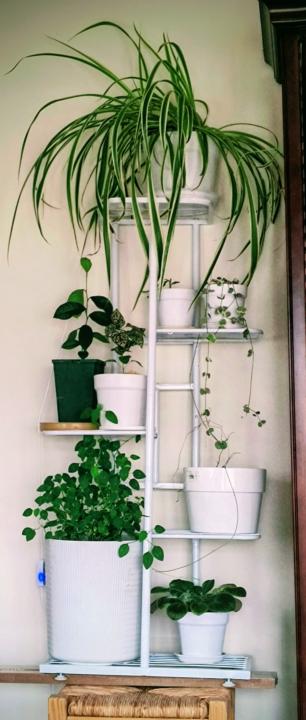
What do you have for lighting

1 like • 21d
In middle of dallas

Feb 17 •
🌱 Container Soil & Drainage Mastery Week – Day 2 of 5 Drainage Holes: What They Really Do (And Why One Isn’t Always Enough)
Let’s talk about something most of us assume is handled: Drainage holes. If a pot has one little hole at the bottom, we tend to think, “Good. Done. That’s covered.” But drainage isn’t just about having a hole. It’s about whether water can actually move through the soil and out of the pot efficiently. 🌿 𝐌𝐲𝐭𝐡: “𝐎𝐧𝐞 𝐇𝐨𝐥𝐞 = 𝐆𝐨𝐨𝐝 𝐃𝐫𝐚𝐢𝐧𝐚𝐠𝐞” Technically? Yes, water can escape. Practically? It depends. Drainage works well when: * Soil is airy * The hole isn’t blocked * The pot isn’t sitting flat against a solid surface * Water flows through freely instead of pooling One tiny hole under dense soil doesn’t solve much. 💧 𝐖𝐡𝐚𝐭 𝐃𝐫𝐚𝐢𝐧𝐚𝐠𝐞 𝐇𝐨𝐥𝐞𝐬 𝐀𝐜𝐭𝐮𝐚𝐥𝐥𝐲 𝐃𝐨 Drainage holes allow: * Excess water to escape * Air to re-enter the soil * Roots to avoid sitting in stagnant moisture * They create the oxygen cycle roots need. Without that cycle, roots slowly suffocate, even if you’re watering “correctly.” 🪴 𝐓𝐡𝐞 𝐒𝐧𝐞𝐚𝐤𝐲 𝐏𝐫𝐨𝐛𝐥𝐞𝐦: 𝐃𝐞𝐜𝐨𝐫𝐚𝐭𝐢𝐯𝐞 𝐏𝐨𝐭𝐬 This is where things quietly go wrong. Many decorative pots: * Have no drainage hole * Trap excess water in the bottom * Hide water buildup from view If you’re planting directly into a pot without drainage, you’re increasing risk. especially in winter. 🌱 𝐂𝐚𝐜𝐡𝐞 𝐏𝐨𝐭 𝐒𝐨𝐥𝐮𝐭𝐢𝐨𝐧 (𝐓𝐡𝐞 𝐒𝐚𝐟𝐞𝐫 𝐎𝐩𝐭𝐢𝐨𝐧) If you love decorative pots (who doesn’t?): * Keep plants in a nursery pot with drainage * Place that inside the decorative pot * Remove to water * Let fully drain * Return it once excess water is gone It’s simple, but it prevents a lot of root issues. 🚩 𝐒𝐢𝐠𝐧𝐬 𝐃𝐫𝐚𝐢𝐧𝐚𝐠𝐞 𝐈𝐬𝐧’𝐭 𝐖𝐨𝐫𝐤𝐢𝐧𝐠 𝐖𝐞𝐥𝐥 Watch for: * Water sitting on top of soil for more than a minute * Pots that feel heavy for days * Yellowing lower leaves * Musty smell These are subtle warnings, not plant drama yet, just early signals. 🌼 𝐖𝐡𝐲 𝐓𝐡𝐢𝐬 𝐌𝐚𝐭𝐭𝐞𝐫𝐬 𝐁𝐞𝐟𝐨𝐫𝐞 𝐒𝐩𝐫𝐢𝐧𝐠 𝐆𝐫𝐨𝐰𝐭𝐡 As light increases, plants will use more water. But if drainage isn’t working properly: * Soil stays too wet * Roots weaken * Growth stalls Strong spring growth starts with proper water exit. 💚 𝐅𝐢𝐧𝐚𝐥 𝐓𝐡𝐨𝐮𝐠𝐡𝐭: 𝐃𝐫𝐚𝐢𝐧𝐚𝐠𝐞 𝐈𝐬 𝐀𝐛𝐨𝐮𝐭 𝐎𝐱𝐲𝐠𝐞𝐧
3 likes • Feb 18
@Diana Walker Mack sure you use a diamond bit so pot does not break and on clay go slowly and may have to run hose of water for lubricants to keep bit cool
0 likes • 21d
@Lisa Clayton where do you get it?
26d •
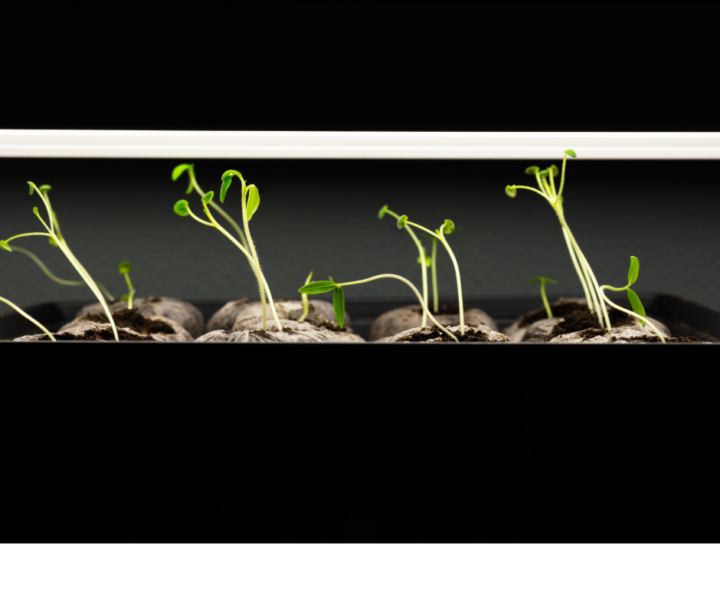
🌱 Seed Starting Done Right – Day 2 of 5 Why Your Seedlings Get Leggy (And How to Prevent It Early)
It starts with excitement. Tiny sprouts pop up. You feel like a gardening genius. Then a few days later… They’re tall. They’re thin. They’re leaning dramatically toward the window. Welcome to leggy seedling, one of the most common seed-starting frustrations. 🌿 𝐖𝐡𝐚𝐭 “𝐋𝐞𝐠𝐠𝐲” 𝐀𝐜𝐭𝐮𝐚𝐥𝐥𝐲 𝐌𝐞𝐚𝐧𝐬 Leggy seedlings are: * Tall and stretched * Thin-stemmed * Pale or lighter green * Leaning toward light This happens when seedlings grow faster than their light source can support. And it can happen in just 48–72 hours. 💡 𝐓𝐡𝐞 𝐑𝐞𝐚𝐥 𝐂𝐚𝐮𝐬𝐞 (𝐈𝐭’𝐬 𝐀𝐥𝐦𝐨𝐬𝐭 𝐀𝐥𝐰𝐚𝐲𝐬 𝐋𝐢𝐠𝐡𝐭) Seeds germinate with warmth. But once they sprout, they immediately need strong light. If light is: * Too far away * Too dim * Only coming from a window * On for too few hours They stretch toward it. They’re not failing. They’re searching. 🌞 𝐇𝐨𝐰 𝐭𝐨 𝐏𝐫𝐞𝐯𝐞𝐧𝐭 𝐋𝐞𝐠𝐠𝐢𝐧𝐞𝐬𝐬 𝐄𝐚𝐫𝐥𝐲 Here’s the simple fix: ✔ 𝐊𝐞𝐞𝐩 𝐥𝐢𝐠𝐡𝐭𝐬 𝐜𝐥𝐨𝐬𝐞 Grow lights should sit 𝟐–𝟑 𝐢𝐧𝐜𝐡𝐞𝐬 𝐚𝐛𝐨𝐯𝐞 𝐬𝐞𝐞𝐝𝐥𝐢𝐧𝐠𝐬. As they grow, raise the light - not the other way around. ✔ 𝐋𝐞𝐚𝐯𝐞 𝐥𝐢𝐠𝐡𝐭𝐬 𝐨𝐧 𝟏𝟐–𝟏𝟔 𝐡𝐨𝐮𝐫𝐬 𝐩𝐞𝐫 𝐝𝐚𝐲 Seedlings need more light than mature plants. Use a timer if possible. ✔ 𝐑𝐨𝐭𝐚𝐭𝐞 𝐰𝐢𝐧𝐝𝐨𝐰-𝐠𝐫𝐨𝐰𝐧 𝐬𝐞𝐞𝐝𝐥𝐢𝐧𝐠𝐬 𝐝𝐚𝐢𝐥𝐲 If using natural light, turn trays every day. This prevents leaning. ✔ 𝐀𝐝𝐝 𝐚𝐢𝐫𝐟𝐥𝐨𝐰 A small fan (gentle breeze) strengthens stems. It mimics outdoor conditions and reduces weakness. 🌱 𝐂𝐚𝐧 𝐋𝐞𝐠𝐠𝐲 𝐒𝐞𝐞𝐝𝐥𝐢𝐧𝐠𝐬 𝐁𝐞 𝐒𝐚𝐯𝐞𝐝? Yes - often. For vegetables like tomatoes: * You can plant them deeper when potting up. For flowers and herbs: * Improve light immediately * Add airflow * Avoid overwatering The sooner you adjust, the better they recover. 🚫 𝐖𝐡𝐚𝐭 𝐍𝐨𝐭 𝐭𝐨 𝐃𝐨 * Don’t fertilize to fix legginess * Don’t water more * Don’t move them constantly chasing light Light is the fix. Not nutrients. 🌼 𝐅𝐢𝐧𝐚𝐥 𝐓𝐡𝐨𝐮𝐠𝐡𝐭: 𝐋𝐞𝐠𝐠𝐲 𝐌𝐞𝐚𝐧𝐬 𝐓𝐡𝐞𝐲’𝐫𝐞 𝐓𝐫𝐲𝐢𝐧𝐠 Seedlings stretch because they want to grow. Give them strong light early, and they’ll reward you with sturdy, compact growth. Most seed-starting problems are simple once you know what to adjust 🌱 Have you battled leggy seedlings before?
3 likes • 21d
Neat
24d •
🌱 Seed Starting Done Right – Day 5 of 5 Hardening Off Without Shock (Even If the Weather Is Unpredictable)
You did it. Your seeds sprouted. They survived damping off. You managed the light. You timed the potting up. Now comes the part that makes gardeners nervous: Moving them outside. And this is where many beautiful seedlings get stressed not because they’re weak, but because the transition was too fast. 🌿 𝐖𝐡𝐲 𝐇𝐚𝐫𝐝𝐞𝐧𝐢𝐧𝐠 𝐎𝐟𝐟 𝐌𝐚𝐭𝐭𝐞𝐫𝐬 Indoor seedlings are used to: * Stable temperatures * Gentle light * No wind * Controlled moisture Outdoor life introduces: * Direct sun * Wind movement * Temperature swings * Faster drying soil It’s like going from a calm room to a breezy field overnight. They need time to adjust. 🌞 𝐓𝐡𝐞 𝐒𝐢𝐦𝐩𝐥𝐞 𝟕-𝐃𝐚𝐲 𝐇𝐚𝐫𝐝𝐞𝐧𝐢𝐧𝐠 𝐏𝐥𝐚𝐧 Keep it gradual. 𝐃𝐚𝐲 𝟏–𝟐: 1–2 hours outside in bright shade. Bring back in. 𝐃𝐚𝐲 𝟑–𝟒: 3–4 hours outside. Small amount of morning sun. 𝐃𝐚𝐲 𝟓–𝟔: Longer outdoor time. Increase sun exposure slowly. 𝐃𝐚𝐲 𝟕: Full day outside if weather cooperates. Then transplant. 💨 𝐖𝐚𝐭𝐜𝐡 𝐭𝐡𝐞 𝐖𝐢𝐧𝐝 (𝐈𝐭’𝐬 𝐒𝐧𝐞𝐚𝐤𝐢𝐞𝐫 𝐓𝐡𝐚𝐧 𝐒𝐮𝐧) Sunburn is obvious. Wind stress is subtle. If seedlings wilt quickly outdoors, wind is often the cause. Start in sheltered areas first. 🌡️ 𝐁𝐞 𝐅𝐥𝐞𝐱𝐢𝐛𝐥𝐞 𝐖𝐢𝐭𝐡 𝐖𝐞𝐚𝐭𝐡𝐞𝐫 If it’s: * Colder than expected * Extremely windy * Pouring rain Pause the process. Hardening off doesn’t have to be perfectly consecutive days. It just needs progression. 🚫 𝐖𝐡𝐚𝐭 𝐍𝐨𝐭 𝐭𝐨 𝐃𝐨 * Don’t move seedlings from grow lights to full afternoon sun * Don’t skip steps because they “look strong” * Don’t transplant the same day you start hardening Gradual exposure builds resilience. 🌼 𝐖𝐡𝐲 𝐓𝐡𝐢𝐬 𝐒𝐞𝐭𝐬 𝐔𝐩 𝐚 𝐒𝐭𝐫𝐨𝐧𝐠 𝐒𝐞𝐚𝐬𝐨𝐧 Hardening off isn’t just about preventing shock. It: * Strengthens stems * Thickens leaf tissue * Improves root response * Builds weather tolerance It’s the final training phase before real growth begins. 💚 𝐅𝐢𝐧𝐚𝐥 𝐓𝐡𝐨𝐮𝐠𝐡𝐭: 𝐓𝐫𝐚𝐧𝐬𝐢𝐭𝐢𝐨𝐧, 𝐃𝐨𝐧’𝐭 𝐑𝐮𝐬𝐡 Spring excitement makes us want to move fast. But strong plants are built through gradual change. You’ve done the careful work indoors. Now you guide them outside steadily. That’s mastery 🌱
0 likes • 21d
I use a product from park seed that helps take shock out of transplanting
1-10 of 19
Active 19d ago
Joined Feb 14, 2026
Powered by