Activity
Mon
Wed
Fri
Sun
Oct
Nov
Dec
Jan
Feb
Mar
Apr
May
Jun
Jul
Aug
Sep
What is this?
Less
More
The Grow Renaissance Skool
828 members • Free
23 contributions to The Grow Renaissance Skool

Aug 9 •
Kitchen Take Over with Spirited Food
🍳🔥 KITCHEN TAKEOVER with Chef Andrew & Neil Smith 🔥🥩 We’re taking over the kitchen. Join Chef Andrew and Neil Smith for a fun, unscripted session where great food, farming, ingredients, and a few questionable kitchen decisions all come together. Expect cooking, stories from the farm, proper food talk, a bit of banter, and plenty of conversation around where our food comes from and why it matters. No polished TV chef nonsense. Just real ingredients, real cooking, and two blokes having a good time in the kitchen. 🥩 Farm to fork 🔥 Cooking tips and tricks 🌱 Food, farming and regenerative agriculture 😂 Stories, banter and whatever happens once the pans get hot Come hungry. Bring questions. 👨🍳 Kitchen Takeover with Chef Andrew & Neil Smith Aug 20th @ 10amEST *postponed until Aug 27th* 🔗 Join us on Zoom: https://us06web.zoom.us/j/88072688697?pwd=5HW9rba2HxrRmIa0bYUZL7habzeMa7.1 See you in the kitchen. 🔥


0 likes • 23d
I will try and tune in while I am at work


1 like • 26d
It’s sitting at 980 today 👏
Jul 12 •
Roadside stalls
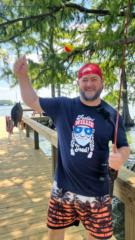
How cool is the little roadside stall outside a farm. It had fruit and veggies, snacks, refreshing drinks and some dog treats

Jul 10 •
Grow AMA - July 9, 2026
Fun call tonight where we talked about GROW, farmers markets and some trading. Including GROW now be available to purchase on the BASE Network through Coinbase! Check it out: https://www.coinbase.com/price/grow-base-0x1223334444a7466fbf985b14e1f4edaf3883bca6-token Not Financial Advice - just shown as educational information.

1 like • Jul 10
If you are interested in a Grow shirt/hat or both send me a message.
Jul 6 •
Aussie Grow Shirts & Caps
Last Call for Grow shirts and Caps. Hey Aussie Grow family! 👋 Earlier this year I had a batch of GROW shirts printed, and I'm thinking about doing another run. If there's enough interest, I'll also get some GROW caps made. If you'd be keen on a shirt, a cap, or both, let me know in the comments so I can gauge the numbers!
0 likes • Jul 9
@David Gaule are you in the Aussie Grow whatsapp chat?
1 like • Jul 10
@David Gaule Just sent you a message
1-10 of 23
@deb-voll-1243
I have three dachshunds and lover of hiking and the outdoors.
Active 2d ago
Joined Sep 28, 2025
Powered by