Activity
Mon
Wed
Fri
Sun
Apr
May
Jun
Jul
Aug
Sep
Oct
Nov
Dec
Jan
Feb
Mar
What is this?
Less
More
Owned by Dana
Memberships
Bruised Not Broken Circle
2 members • Free
Beaver A.I Tribe
2.8k members • Free
6-Figure Affiliate Blueprint
4.6k members • Free
Online Business Friends
89.1k members • Free
4 contributions to Bruised Not Broken Circle

12d •
Welcome – Our Vision 🚀
[IMPORTANT READ] Wow! I want to take a moment to thank each and every one of you who has already joined Bruised Not Broken. 💜 Together, the goal is simple… Bring together 100+ people who are navigating grief, caregiving, loss, and overwhelming seasons of life into a supportive community where no one has to carry everything alone. This group is built on the belief that even when life bruises us deeply, we are not broken. Think of this space as a place to exhale. A place where you can share honestly, find encouragement, and connect with others who truly understand what it feels like to walk through difficult chapters of life. What you'll find and experience in this community: • Honest conversations about healing and grief • Encouragement from people who truly understand • Shared wisdom from caregivers, widows, and solo parents • Support during overwhelming seasons of life • A space where vulnerability is welcomed and respected Together we're building a community of people who are learning how to heal, grow stronger, and move forward—even after life’s hardest moments. 💜 With that in mind, this is our first main focus as a group: 🔥 Create a safe space where people feel seen and supported 💥 Encourage healing conversations that remind people they are not alone 🚀 Share tools, insights, and experiences that help people move forward 💡 Lift each other up during difficult seasons of life FEW THINGS TO NOTE: 1. This community is open to widows, solo parents, caregivers, and anyone walking through a difficult season who needs support, healing, and connection. 2. Make sure to say hello below and introduce yourself! If you feel comfortable, share where you're from and what brought you here. Your story may help someone else feel less alone. Let’s make this space supportive, compassionate, and filled with hope. 💜 — Dana

0 likes • 11d
Hope everyone who finds this space can feel safe to open up and let out anything that is happening any feeling that are heavy and feel supported in every way they need to be supported. I'm here for anyone who feels alone and needs a ear to listen ... Welcome to you quiet space . Hope everyone can be a part of this great place I hope to build.
12d •
💬 A Message Someone Needs Today
Sometimes a simple sentence can change someone’s day. 👇 Share one piece of advice or encouragement that helped you during a hard season. It might be: • Something someone told you • A quote that gave you hope • A lesson you learned the hard way Your words might be exactly what someone in this community needs to hear today.
0 likes • 11d
This is only a temporary separation for I believe it's only a brief moment in time until we reunite with our angel taken to soon.
12d •
Understanding Grief and Loss: Finding Meaning in the Healing Journey
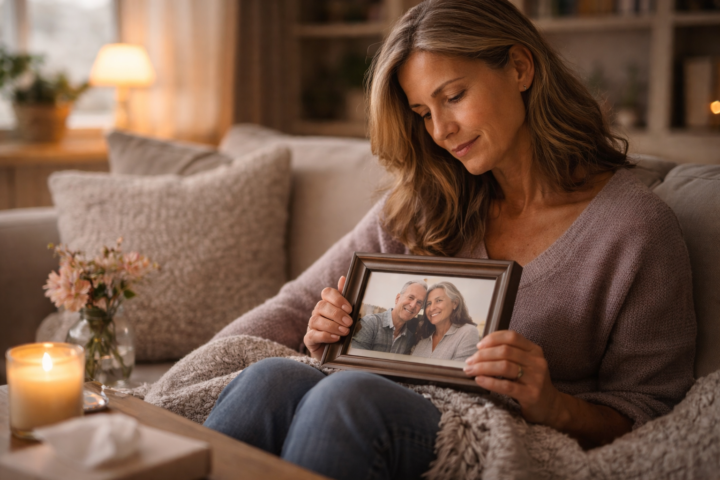
Grief is one of the most universal human experiences, yet it is also one of the most personal. Each person responds to loss in their own way, influenced by their relationships, culture, beliefs, and life experiences. Modern grief research and counseling emphasize that there is no single “correct” way to grieve, and healing often follows a deeply individual path. For many years, grief was commonly described through structured stages. While these models helped people understand emotional responses to loss, counselors now recognize that grief rarely follows a neat sequence. Instead, emotions can come in waves—sometimes calm, sometimes overwhelming. One day a person may feel acceptance, while the next they may feel sadness, anger, or longing again. Recognizing this ebb and flow is an important step in allowing individuals to process loss without feeling that something is “wrong” with their healing journey. Another key shift in modern grief understanding is the recognition that loss extends beyond death. People grieve many kinds of losses, including the end of relationships, the loss of health, major life changes, or the shifting roles that come after a loved one passes away. For caregivers and family members, grief can also begin long before a death occurs, as they witness a loved one’s illness or decline. These experiences can create layers of emotional complexity that require compassion and patience. One concept that has gained attention in grief counseling is the idea of continuing bonds. In the past, many believed that healthy grieving meant letting go of emotional ties to the person who died. Today, many experts recognize that maintaining a connection—through memories, rituals, or meaningful traditions—can actually bring comfort and help people adjust to life after loss. Remembering loved ones, celebrating their lives, or keeping meaningful objects can become a healthy part of the healing process. Grief can also affect people in different emotional and physical ways. Some individuals experience deep sadness or loneliness, while others feel anger, confusion, or even numbness. Physical symptoms such as fatigue, sleep problems, or difficulty concentrating are also common. Because of these varied responses, counselors emphasize the importance of acknowledging each person’s unique experience instead of comparing grief to others.
0 likes • 11d
I still miss you so much
12d •
Grief After Loss: Helping Families Heal After the Death of a Loved One
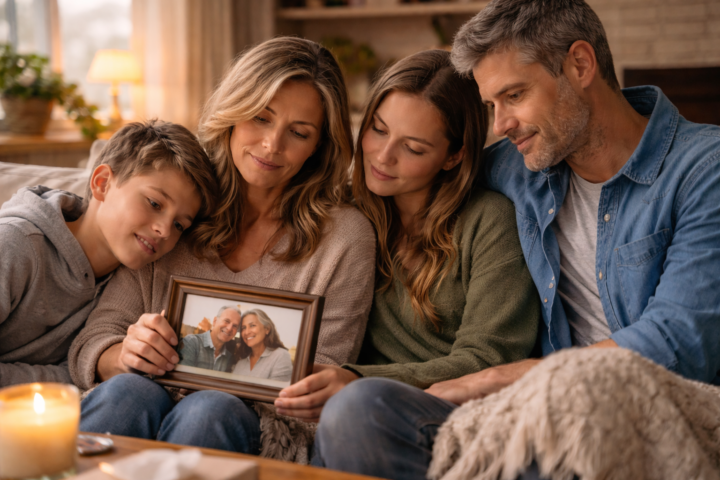
When an older loved one passes away, families often experience a complex mix of emotions. Grief is expected, but many people are surprised by how layered and unpredictable the healing process can be. For families who spent months or even years caring for an aging parent or spouse, the end of that caregiving journey can bring not only sadness but also exhaustion, loneliness, and even moments of relief. These reactions are normal and part of the emotional transition after loss. For many families, caregiving becomes a central part of life. Daily routines revolve around doctor appointments, medications, and ensuring a loved one is comfortable and safe. When that role suddenly ends, it can create an emotional void. The constant responsibilities disappear, leaving caregivers unsure how to fill the time or redefine their purpose. This sudden shift can feel disorienting, even while grieving the loss of the person they cared for so deeply. One of the most confusing emotional experiences after a loved one’s death is feeling both grief and relief at the same time. Caregivers may feel relief that their loved one is no longer suffering or that the physical and emotional demands of caregiving have ended. Yet this relief can also trigger guilt. Many caregivers question whether these feelings mean they didn’t love their family member enough. In reality, experts explain that these emotions often coexist. Feeling relief does not diminish the love, sacrifice, or dedication caregivers showed during their caregiving journey. Another challenge families face after loss is adjusting to the sudden quiet. When a loved one has been in long-term care or living with illness, family members may have spent years organizing visits, phone calls, or care routines. Once that chapter ends, the absence of those responsibilities can feel deeply unsettling. The empty space left behind is not only about losing a person—it is also about losing the structure that once defined daily life. Experts recommend that families allow themselves time to process these emotions without pressure to “move on” quickly. Grief is not something that follows a straight timeline. Some days may feel peaceful, while others may bring waves of sadness or memories that reopen the pain. Accepting these emotional fluctuations can help people move through the grieving process in a healthier way.
0 likes • 11d
The hardest part isnt saying goodbye it's having to watch your loved one suffer and there's nothing you can do but watch. R.I.P. mommy.
1-4 of 4
@dana-valdes-1880
I'm a single mother of 3 widowed living on survivor benefits trying to make a better life for me and my kids!
Active 7d ago
Joined Mar 9, 2026
Powered by