Activity
Mon
Wed
Fri
Sun
Sep
Oct
Nov
Dec
Jan
Feb
Mar
Apr
May
Jun
Jul
Aug
What is this?
Less
More
Owned by Corina
A supportive learning space inspired by my lash journey — offering insight, tools, guidance to help you elevate your technique and business.
20 contributions to Lash Insight Collective
Mar 23 •
What’s your eye shape? 👀
Hey, hope everyone is doing well! Just a follow up on the most recent lesson under Custom Strips. “Designing Lash Strips for Eye Shapes” What’s your eye shape? A) Hooded B) Round C) Small D) Downturned Optional Not sure? Drop a pic or describe your eyes Let me know in the comments 💜
0
0
Mar 3 •
Quick question
Following up from the latest lesson posted If you were making a lash strip right now… what would you go for? 👀 A) Soft everyday set B) Wispy / textured C) Dramatic / full
0
0
Feb 23 •
I’ve been a little quiet… but I’ve been working 👀✨
I’ve been really focused on creating and refining my custom lash strip process not just making them look good, but making them make sense. A lot of people think strip lashes are just “one style fits all”… but that’s not how I approach it. I look at: •Eye shape •Desired look •Balance & weight Because even with strips — customization matters 👏🏽 I’m about to start breaking down my full process step by step ✨ From lash tray → to finished strip If you’re a lash tech or interested in learning, stay tuned 👀 What’s something you’ve struggled with when it comes to lash strips? Do you wear Lash strips?
1
0
Feb 17 •
Custom Lash Creation 🎨
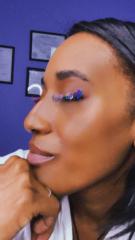
Following up on my last lesson about custom strip lashes, I wanted to show two different customization styles I’ve been working on recently. 🤎 Brown lashes — perfect for a softer, more natural enhancement while still adding fullness. 💘 Valentine’s set — a fun, themed customization using color, texture, and creative detailing. Customization isn’t just about length or fullness… It includes color choice, density, occasion styling, and overall wearability for the client. And this same concept applies to lash extensions as well. Next, we’re going to talk about customization on the weight side, because sometimes a set can be too heavy for a client’s eye shape and natural lashes to safely handle. Stay tuned for that breakdown 👀
0
0

Feb 14 •
Happy Valentine’s Day 💘
Lately I’ve been back in my custom lash strip bag 👀 I know that we’ve been talking a lot about retention, aftercare, and client responsibility, but customization plays a role in client satisfaction too. I’ve been creating more handmade strips based on: • Eye shape • Density preference • Wispy vs full styling • Even color or glitter requests It’s been interesting seeing how strip customization compares to extension styling. I’ll be continuing to add new lessons to the classroom ✨ The most recent lesson was posted a few days ago under Retention Beyond Adhesive for anyone who hasn’t tapped in yet. Question for the community: Do you offer custom lash strips as an add-on or retail product?
0
0
1-10 of 20
@corina-williams-6517
A supportive community led by a 6-year lash artist, helping lash techs improve retention, technique, and business decisions
Active 90d ago
Joined Dec 8, 2025
Philadelphia, PA