Activity
Mon
Wed
Fri
Sun
Aug
Sep
Oct
Nov
Dec
Jan
Feb
Mar
Apr
May
Jun
Jul
What is this?
Less
More
Owned by Corey
Exploring Herbalism, One Cup at a Time.
Memberships
11 contributions to A Cup of Herbalism

Sep '25 •
Welcome! Introduce yourself and share a picture!
Lets get to know each other, and share a picture of your: -garden -Coffee or Tea setup You can say something like: Hey I'm from _____________, and for fun I like to _______________. Here is a picture of my setup!
0 likes • Dec '25
@Jennifer Stoudt Welcome! Congratulations on the move! What do you hope to gain or learn from this group?
0 likes • Dec '25
@Chrystal Hyde Welcome Chrystal! We are glad to have you!
Dec '25 •
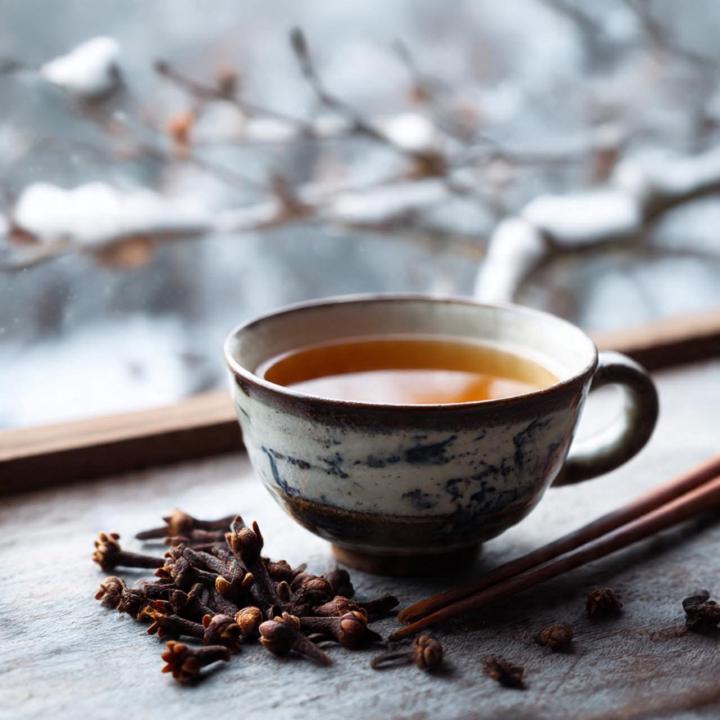
Why Cloves are a Cozy Winter Tea Spice!
Cloves are a deeply aromatic, warming spice that naturally shines in winter teas. Known for their rich, comforting flavor, they support digestion and provide soothing mouth and throat comfort when cold weather sets in. Cloves blend especially well with cinnamon, ginger, orange peel, and black tea for festive, holiday-style infusions. Why Cloves Shine in Winter • Warming and comforting: Cloves have a strong warming, stimulating quality that feels especially supportive in cold, damp weather and pairs beautifully with other chai-style spices. • Mouth and throat comfort: Traditionally used to soothe the mouth, gums, and throat, clove’s natural compounds (like eugenol) create a mild numbing sensation that can feel comforting during winter throat irritation. • Digestive support: Small amounts of clove are often used after meals to ease heaviness, gas, and sluggish digestion, making them ideal in post-holiday or evening teas. How to Use Cloves in Tea • Whole buds: Use 2–4 whole cloves per 8–12 oz of water. They are potent, so a little goes a long way. • Simmered decoction: For a stronger brew, gently simmer cloves for 10–15 minutes, often alongside cinnamon or ginger, then strain. • In blends: Add whole or lightly crushed cloves to chai, mulled-tea blends, or winter herbal mixes. Light crushing releases more aroma but intensifies quickly. Simple Winter Clove Blends • Clove–cinnamon–orange peel: Cozy and aromatic, reminiscent of mulled cider; finish with honey for a dessert-like cup. • Clove–ginger–lemon: Bright, spicy, and deeply warming when you’re feeling chilled or run down. • Clove–black tea–cardamom: A classic chai direction; simmer with milk or plant milk and a touch of sweetener. Safety + Use Notes • Typical use: Cloves are best used in small, culinary-style amounts—just a few buds per pot—rather than as a dominant herb. • Strength caution: Because cloves are very potent, strong or frequent preparations are not recommended without professional guidance, especially concentrated forms like essential oil.
Dec '25 •
Why Ginger Root Is a Powerful Winter Tea Ally
When the weather turns cold, ginger root becomes one of the most reliable herbs you can reach for. Its natural warming qualities bring deep comfort, help settle the stomach, and offer traditional support during peak cold-and-flu season. Ginger also pairs beautifully with cinnamon, lemon, and honey, making it easy to craft soothing, spicy winter cups. Why Ginger Works So Well in Winter • Warming from the inside: Ginger promotes a warming energetic effect, helping reduce that chilled-to-the-bone feeling and supporting circulation to hands and feet. • Digestive & nausea support: It’s known for easing indigestion, gas, and nausea — especially useful after heavier winter or holiday meals. • Immune-season comfort: Traditional herbal practice uses ginger’s natural compounds (like gingerols) to support the body during cold and flu season, especially when prepared as a hot tea or decoction. How to Brew Ginger Tea • Fresh root method: Slice or grate 2–3 thin slices (1–2 tsp) of fresh ginger per 8–10 oz water. Simmer 10–15 minutes and strain. The longer it simmers, the spicier the tea. • Quick hot-cup method: Pour just-off-boil water over freshly grated ginger, cover, and steep 7–10 minutes. Add lemon and honey for a winter classic. • Strong decoction: For a more therapeutic brew, simmer several slices for 20–30 minutes. Top up with water as needed and sip throughout the day. Winter Blend Ideas • Ginger+lemon+honey: Bright, soothing, and comforting for the throat and chest. • Ginger+cinnamon+orange peel: Deeply warming and aromatic — great after dinner or anytime you need extra heat. • Ginger+peppermint+chamomile: Balances ginger’s heat with cool calm; ideal for digestive upset paired with tension or restlessness. Safety & Use Notes • Typical use: Many people enjoy 1–3 cups a day in winter, adjusting the strength to match their spice tolerance. • Cautions: Ginger can be too stimulating for those who run hot or have sensitive stomachs. Anyone pregnant, on blood-thinning medications, or managing complex health conditions should speak with a healthcare professional before using strong ginger preparations.
1
0
Dec '25 •
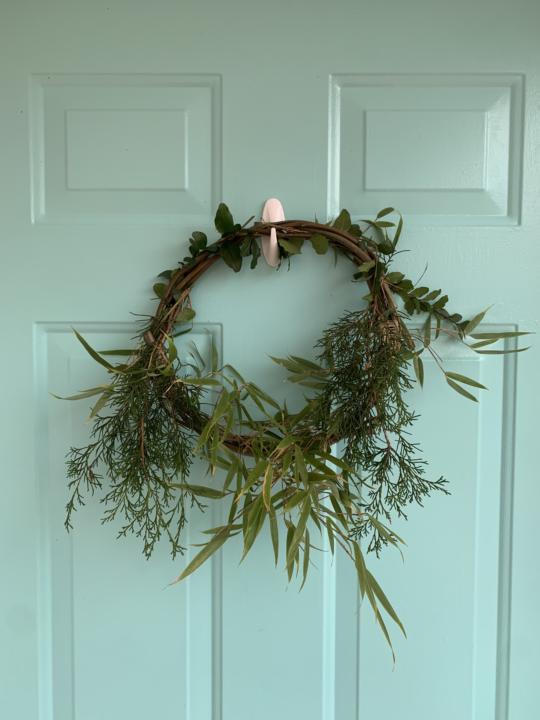
Yule season is here!
Today I made my first of the Yule decorations that we will eventually have up! It was my first time making a wreath. So I kept it light. Feel free to share your homemade Yule or Christmas decorations!
0 likes • Dec '25
@Tamara Laine well this is the first year we are actually celebrating Yule, but it’s more of a mix between Christmas and Yule. Next year with more planning we will try and host a Yule feast. Maybe do a gathering of friends on the solstice and have a bonfire. This year it’s more decorations and setting out logs to burn next year at the solstice’s and at the equinox.
Dec '25 •
🌙✨ Herbal Spotlight: Cinnamon for Winter Warmth ✨🌙
Cinnamon is one of winter’s most comforting herbs — warm, sweet, and deeply supportive for seasonal wellness. It pairs beautifully with peppermint, ginger, citrus, cacao, and chamomile, making it a core ingredient in many cozy, functional blends at The Coftea House. 🔥 Why cinnamon shines in cold weather: • Warming + circulation support: A classic warming spice that helps the body feel less chilled during cold, damp days. • Blood sugar balance support: Studies suggest cinnamon may support healthy blood sugar metabolism — helpful during sugar-heavy holiday months. • Immune & antioxidant boost: Rich in polyphenols that help the body handle everyday oxidative stress. 🌿 Best cinnamon forms for tea: • Sticks (quills): Slow, smooth flavor; perfect for simmering. • Chips: Stronger, faster extraction — great for stovetop blends. • Ground cinnamon: Best whisked into lattes; can get gritty in straight tea. ☕ Simple cinnamon tea methods: • Stovetop simmer: 1–2 sticks in 2–3 cups water, simmer 10–20 min; add honey or lemon. • Mug infusion: Break a stick, steep 10–15 min covered for a gentle cup. • Latte-style: Simmer sticks with water + milk, then add black tea or rooibos for a chai-like brew. 🍊 Winter blend ideas: • Cinnamon + ginger + orange: Warming and bright. • Cinnamon + peppermint + cacao: A winter dessert cup. • Cinnamon + chamomile + apple: Cozy and kid-friendly. 🌱 Safety notes: • 1–3 cups daily is typical for winter. • For frequent use, choose Ceylon cinnamon (lower in coumarin). • If pregnant, nursing, on medications, or managing liver issues, check with a clinician before heavy daily use. Wrap your hands around a warm mug and let cinnamon bring heat, sweetness, and winter magic to your ritual. ✨
1 like • Dec '25
@Elizabeth O'Carroll good point! Thank you for the insight!
1-10 of 11
@corey-mcnabb-8461
Passionate about tea, herbs & plant rituals. Founder of The Coftea House, sharing tips, blends & herbal wisdom for every sip.
Active 134d ago
Joined Sep 24, 2025
Cleveland, GA