Activity
Mon
Wed
Fri
Sun
Nov
Dec
Jan
Feb
Mar
Apr
May
Jun
Jul
Aug
Sep
What is this?
Less
More
Sync Producer Hub
238
5.0
$67/m
Producer School
1k
Free
Paint the Noise (PTN) Pulse
161
Free
Producer Pathway
7.9k
Free
11 contributions to Paint the Noise (PTN) Pulse

Jul 31 •
PTN FLASHWIRE / German Court Rules Suno Violated Copyright / July 31, 2026
German Court Hands Suno Major Copyright Defeat A German regional court has ruled in favor of GEMA in its copyright lawsuit against AI music company Suno, marking one of the most significant legal setbacks yet for generative AI music. Here's what happened—and why creators should be paying attention. ---- 📍 SIGNAL A regional court in Munich has ruled that AI music company Suno violated German copyright law by processing music from GEMA's repertoire without authorization. The court ordered Suno to disclose profits connected to the infringement and ruled that damages will be owed, although the amount has not yet been determined. Suno has said it disagrees with the decision and is evaluating an appeal. Why this matters: This moves the conversation from allegations to an actual court ruling. For creators, this is one of the first major judicial decisions saying an AI music platform cannot simply use protected works without permission under the circumstances examined by the German court. - 📂 PATTERN Look at the progression over the past year: • Lawsuits against Suno and Udio 🔽 • Licensing deals begin emerging 🔽 • Courts begin issuing decisions The industry is shifting from arguments to precedent. Each ruling gives rights holders more clarity about what AI companies can and cannot do. - 🚨 PRESSURE POINTS - Global inconsistency -- Different countries are approaching AI copyright differently, creating uncertainty for creators and AI companies alike. - Appeals are still ahead -- This ruling is significant, but it is not necessarily the final legal word, since Suno has indicated it may appeal. - Licensing pressure grows -- Every court decision favoring creators increases pressure for AI companies to negotiate licenses rather than rely on litigation. - Independent creator participation -- If licensing becomes the standard, how independent artists gain access to those licensing systems remains an open question. - ⚖️ CULTURE CHECK – FOR OR AGAINST CREATORS?


3 likes • Jul 31
Although the damage has been done. This is a huge win. Thanks for sharing.
3 likes • Jul 8
Lets go!

Jul 1 •
Omnisphere/Diva/Pigments/Serum 2 Presets
I am NOT a synth programmer, so often I look for presets from developers who specialize in the project I'm working on. I've found an amazing resource for cinematic, ambient and binaural presets with Tom Wolfe out of the UK. He also does free drops every months of 5 presets for different synths - this month is actually 10 free Omnisphere presets. The packs themselves are relatively cheap, but if you want to try some out, definitely register for the Vault and get some to hear for yourself. Here's the link: https://www.tomwolfe.co.uk/synth-vault/
0 likes • Jul 4
Thanks!

Jun 15 •
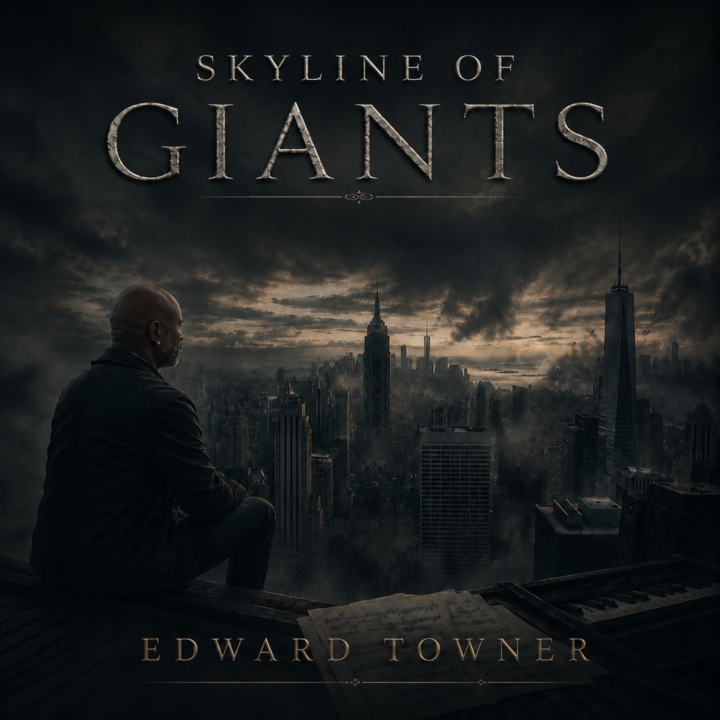
Skyline Of GiANTS-debuts Jun 20th!!!!!!!
I'm so happy to announce my debut release from my upcoming album 'The Architect.' Thank you to all of those who have been supporting me through this amazing journey. Behind the scenes footage coming soon. CHECKMATE!!!🎼🔥🔥 #eddiebowermusic #skylineofgiants #TheArchitect Skyline Of GiANTS-Single Composed by Edward Towner Available June 20th on ALL streaming platforms ©2026 eddiebowermusic LLC
1 like • Jun 17
Congrats Edward!

Jun 10 •
Live listening session tonight!!
Can’t wait to hear what y’all have cooked up for tonights session! Make sure y’all tune in and submit your tracks to see if they are ready for audio visual media!
2 likes • Jun 10
I'll be joining in!
1 like • Jun 11
What a dope session tonight! Thanks for the great feedback 💎 💎 💎 Can't wait for the next one.
1-10 of 11

@cesar-guerrero-7176
Artist/Music Producer/Composer/Engineer based in Miami, FL
Active 9h ago
Joined May 18, 2026
Miami