Activity
Mon
Wed
Fri
Sun
Aug
Sep
Oct
Nov
Dec
Jan
Feb
Mar
Apr
May
Jun
What is this?
Less
More
Memberships
The Potted Garden Society
2.9k members • Free
10 contributions to The Potted Garden Society

Jan 9 •
January Garden Reset: What to Clean, Toss, and Refresh (So Spring You Is Grateful)
January is the perfect “quiet season” moment to give your container garden life a reset. Not in a big overwhelming way… more like a fresh-start tidy-up that makes everything easier when seed starting and spring planning kicks into high gear. Think of this as your garden refresh checklist. A little cleaning now can prevent pests, disease, and chaos later. Let’s break it into three simple parts: Clean, Toss, Refresh. ✅ 𝟏) 𝐂𝐋𝐄𝐀𝐍: 𝐓𝐡𝐞 𝐒𝐭𝐮𝐟𝐟 𝐖𝐨𝐫𝐭𝐡 𝐒𝐜𝐫𝐮𝐛𝐛𝐢𝐧𝐠 𝐍𝐨𝐰 𝐏𝐨𝐭𝐬 & 𝐂𝐨𝐧𝐭𝐚𝐢𝐧𝐞𝐫𝐬 (𝐞𝐬𝐩𝐞𝐜𝐢𝐚𝐥𝐥𝐲 𝐨𝐧𝐞𝐬 𝐮𝐬𝐞𝐝 𝐥𝐚𝐬𝐭 𝐬𝐞𝐚𝐬𝐨𝐧) Even if they “look fine,” old pots can carry leftover salts, algae, or disease spores. 𝐐𝐮𝐢𝐜𝐤 𝐜𝐥𝐞𝐚𝐧 𝐦𝐞𝐭𝐡𝐨𝐝: * Dump old soil (more on that below) * Rinse dirt off * Scrub with warm soapy water * Optional disinfect (especially if disease was present last season): a diluted bleach solution or hydrogen peroxide rinse * Let fully dry 𝐁𝐨𝐧𝐮𝐬 𝐭𝐢𝐩: Check drainage holes—blocked holes are sneaky root-rot starters. 𝐒𝐞𝐞𝐝 𝐒𝐭𝐚𝐫𝐭𝐢𝐧𝐠 𝐓𝐫𝐚𝐲𝐬, 𝐃𝐨𝐦𝐞𝐬, 𝐚𝐧𝐝 𝐂𝐞𝐥𝐥𝐬 Old trays often hide: * algae film * mold spores * crusty fertilizer buildup A quick wash now can save you from damping-off headaches later. 𝐓𝐨𝐨𝐥𝐬 Give your snips and pruners a little love: * wipe off sap and grime * disinfect blades (especially if you trimmed anything sick) * a tiny drop of oil keeps them from sticking and rusting 🗑️ 𝟐) 𝐓𝐎𝐒𝐒: 𝐖𝐡𝐚𝐭 𝐭𝐨 𝐋𝐞𝐭 𝐆𝐨 𝐎𝐟 (𝐖𝐢𝐭𝐡𝐨𝐮𝐭 𝐆𝐮𝐢𝐥𝐭) 𝐎𝐥𝐝 𝐬𝐨𝐢𝐥… 𝐬𝐨𝐦𝐞𝐭𝐢𝐦𝐞𝐬 You 𝑐𝑎𝑛 reuse soil, but January is a great time to be honest: 𝐓𝐨𝐬𝐬 𝐢𝐭 𝐢𝐟: * it had pests (fungus gnats, root aphids, etc.) * you had disease issues (mystery wilt, mold you couldn’t control) * it smells sour or stays soggy forever * it’s compacted like a brick If it was from a healthy pot, you can refresh it (see below). 𝐃𝐞𝐚𝐝 𝐩𝐥𝐚𝐧𝐭𝐬 / “𝐡𝐨𝐩𝐞𝐟𝐮𝐥 𝐬𝐭𝐢𝐜𝐤𝐬” We’ve all done it! Kept a pot around because “maybe it’ll come back.” If it’s fully dead, mushy, or clearly done… toss it and reclaim the space. 𝐌𝐲𝐬𝐭𝐞𝐫𝐲 𝐬𝐞𝐞𝐝𝐬 + 𝐨𝐥𝐝 𝐩𝐚𝐜𝐤𝐞𝐭𝐬 Seed packets don’t always “expire,” but germination can drop. 𝐓𝐨𝐬𝐬 𝐨𝐫 𝐫𝐞𝐩𝐥𝐚𝐜𝐞 𝐢𝐟: * packet is open and unlabeled

2 likes • Jan 9
I leave some litter in my garden to help the beneficial insect population
Jan 8 •
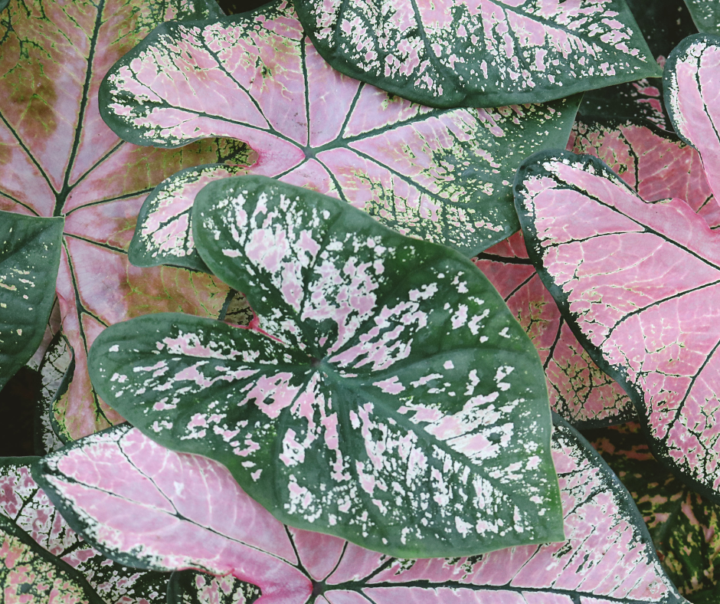
Houseplants With the Prettiest Foliage Patterns (When You Want “Wow” Without Flowers)
Flowers are lovely… but let’s be honest: foliage is the real interior design MVP. Patterned leaves can make a plant corner look styled and intentional even in the middle of winter with no blooms required. If you’re craving plants that make you stop and stare (or that make visitors say, “Wait… what plant is THAT?”), here are some of the prettiest foliage pattern houseplants, Plus the simple care notes that help them stay gorgeous instead of dramatic. 𝟏) 𝐂𝐚𝐥𝐚𝐭𝐡𝐞𝐚 (𝐚.𝐤.𝐚. 𝐏𝐫𝐚𝐲𝐞𝐫 𝐏𝐥𝐚𝐧𝐭𝐬) 𝐖𝐡𝐲 𝐢𝐭’𝐬 𝐬𝐭𝐮𝐧𝐧𝐢𝐧𝐠: bold stripes, brushstroke patterns, and purple undersides on many varieties. 𝐆𝐨𝐨𝐝 𝐭𝐨 𝐤𝐧𝐨𝐰: they love humidity and dislike dry winter air. 𝐄𝐚𝐬𝐲 𝐰𝐢𝐧 𝐭𝐢𝐩: keep soil lightly moist (not soggy) and avoid cold drafts. 𝐆𝐫𝐞𝐚𝐭 𝐩𝐢𝐜𝐤𝐬: Medallion, Rattlesnake, Orbifolia 𝟐) 𝐌𝐚𝐫𝐚𝐧𝐭𝐚 (𝐏𝐫𝐚𝐲𝐞𝐫 𝐏𝐥𝐚𝐧𝐭) 𝐖𝐡𝐲 𝐢𝐭’𝐬 𝐬𝐭𝐮𝐧𝐧𝐢𝐧𝐠: painterly leaves with contrasting veins and spots look like living artwork. 𝐆𝐨𝐨𝐝 𝐭𝐨 𝐤𝐧𝐨𝐰: tends to be friendlier than some calatheas, but still appreciates humidity. 𝐄𝐚𝐬𝐲 𝐰𝐢𝐧 𝐭𝐢𝐩: bright indirect light helps keep the colors vivid. 𝟑) 𝐑𝐞𝐱 𝐁𝐞𝐠𝐨𝐧𝐢𝐚 𝐖𝐡𝐲 𝐢𝐭’𝐬 𝐬𝐭𝐮𝐧𝐧𝐢𝐧𝐠: swirls, spirals, metallic sheens make these leaves look unreal. 𝐆𝐨𝐨𝐝 𝐭𝐨 𝐤𝐧𝐨𝐰: likes humidity but hates sitting in wet soil. 𝐄𝐚𝐬𝐲 𝐰𝐢𝐧 𝐭𝐢𝐩: water when the top inch is dry and give it airflow to avoid powdery issues. 𝟒) 𝐏𝐨𝐥𝐤𝐚 𝐃𝐨𝐭 𝐏𝐥𝐚𝐧𝐭 (𝐇𝐲𝐩𝐨𝐞𝐬𝐭𝐞𝐬) 𝐖𝐡𝐲 𝐢𝐭’𝐬 𝐬𝐭𝐮𝐧𝐧𝐢𝐧𝐠: spotted leaves in pink, white, or red are so cheerful and fun. 𝐆𝐨𝐨𝐝 𝐭𝐨 𝐤𝐧𝐨𝐰:it can get leggy if light is too low. 𝐄𝐚𝐬𝐲 𝐰𝐢𝐧 𝐭𝐢𝐩: pinch the tips regularly to keep it bushy. 𝟓) 𝐂𝐡𝐢𝐧𝐞𝐬𝐞 𝐄𝐯𝐞𝐫𝐠𝐫𝐞𝐞𝐧 (𝐀𝐠𝐥𝐚𝐨𝐧𝐞𝐦𝐚) 𝐖𝐡𝐲 𝐢𝐭’𝐬 𝐬𝐭𝐮𝐧𝐧𝐢𝐧𝐠: patterned leaves with silver, cream, and sometimes pink or red tones. 𝐆𝐨𝐨𝐝 𝐭𝐨 𝐤𝐧𝐨𝐰: one of the best for medium/low light while still looking fancy. 𝐄𝐚𝐬𝐲 𝐰𝐢𝐧 𝐭𝐢𝐩: keep it warm as cold windows can cause leaf damage. 𝟔) 𝐃𝐢𝐞𝐟𝐟𝐞𝐧𝐛𝐚𝐜𝐡𝐢𝐚 (𝐃𝐮𝐦𝐛 𝐂𝐚𝐧𝐞) 𝐖𝐡𝐲 𝐢𝐭’𝐬 𝐬𝐭𝐮𝐧𝐧𝐢𝐧𝐠: large leaves with creamy marbling for that very “tropical statement plant.” 𝐆𝐨𝐨𝐝 𝐭𝐨 𝐤𝐧𝐨𝐰: can be sensitive to overwatering. 𝐄𝐚𝐬𝐲 𝐰𝐢𝐧 𝐭𝐢𝐩: let the top couple inches dry before watering again.
2 likes • Jan 8
Very pretty
Jan 6 •
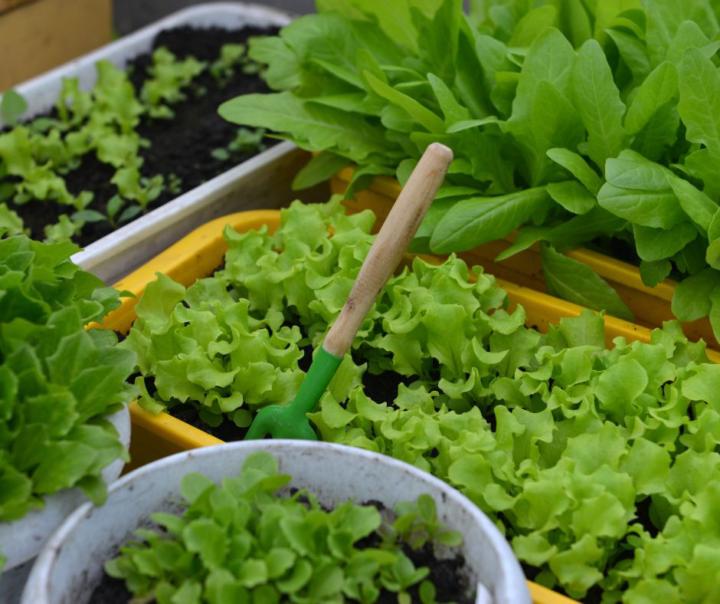
Lettuce in Pots: Cut-and-Come-Again Basics (So You Can Harvest More Than Once)
If you’ve ever grown lettuce and thought, “That was fun… for five minutes,” you’re not alone. 😄 The secret to making lettuce actually worth it in containers is learning cut-and-come-again harvesting. Instead of pulling the whole plant once, you harvest it in a way that encourages it to regrow for weeks. Sometimes even months, giving you multiple salads from the same pot. Let’s walk through the basics. 𝐖𝐡𝐚𝐭 “𝐂𝐮𝐭-𝐚𝐧𝐝-𝐂𝐨𝐦𝐞-𝐀𝐠𝐚𝐢𝐧” 𝐌𝐞𝐚𝐧𝐬 Cut-and-come-again is a harvest method where you: ✅ snip the outer leaves (or cut the plant above the growth point) ✅ leave the center crown intact ✅ let the plant regrow new leaves ✅ harvest again and again Think of it like giving your lettuce a haircut, not a final goodbye. 𝐁𝐞𝐬𝐭 𝐓𝐲𝐩𝐞𝐬 𝐨𝐟 𝐋𝐞𝐭𝐭𝐮𝐜𝐞 𝐟𝐨𝐫 𝐂𝐮𝐭-𝐚𝐧𝐝-𝐂𝐨𝐦𝐞-𝐀𝐠𝐚𝐢𝐧 You’ll get the best results with: * Leaf lettuces (red leaf, green leaf) * Loose-leaf mixes / mesclun * Oakleaf * Romaine (works well if you harvest outer leaves) * Butterhead (can work, but is a little more “delicate”) Less ideal for repeated harvesting: * Iceberg / heading lettuces (they really want to form a full head) If you’re growing from a salad mix packet, you’re usually in great shape. 𝐏𝐨𝐭 𝐒𝐢𝐳𝐞 + 𝐏𝐥𝐚𝐧𝐭𝐢𝐧𝐠 𝐓𝐢𝐩𝐬 (𝐒𝐨 𝐈𝐭 𝐒𝐭𝐚𝐲𝐬 𝐏𝐫𝐨𝐝𝐮𝐜𝐭𝐢𝐯𝐞) Lettuce has shallow roots, so it’s container-friendly. 𝐆𝐨𝐨𝐝 𝐩𝐨𝐭 𝐬𝐢𝐳𝐞𝐬: * 6–8" deep works well * Window boxes and wide bowls are great * Bigger surface area = more plants = more harvest 𝐒𝐩𝐚𝐜𝐢𝐧𝐠 𝐛𝐚𝐬𝐢𝐜𝐬: * For baby leaf harvesting, you can sow closer together. * For larger leaves, give plants a little more room so airflow stays decent. 𝐒𝐨𝐢𝐥 𝐭𝐢𝐩: Use a light potting mix (not heavy garden soil), and keep it consistently moist — lettuce hates drying out. 𝐓𝐡𝐞 𝐑𝐢𝐠𝐡𝐭 𝐖𝐚𝐲 𝐭𝐨 𝐇𝐚𝐫𝐯𝐞𝐬𝐭 (𝐓𝐡𝐢𝐬 𝐈𝐬 𝐭𝐡𝐞 𝐖𝐡𝐨𝐥𝐞 𝐌𝐚𝐠𝐢𝐜) You have two good options: 𝐎𝐩𝐭𝐢𝐨𝐧 𝐀: “𝐋𝐞𝐚𝐟-𝐛𝐲-𝐥𝐞𝐚𝐟” (𝐦𝐨𝐬𝐭 𝐟𝐨𝐨𝐥𝐩𝐫𝐨𝐨𝐟) * Harvest the outer leaves first * Leave the inner leaves and center intact * This keeps the plant producing longer 𝐇𝐨𝐰 𝐨𝐟𝐭𝐞𝐧? Every few days once it’s growing well. 𝐎𝐩𝐭𝐢𝐨𝐧 𝐁: “𝐇𝐚𝐢𝐫𝐜𝐮𝐭 𝐡𝐚𝐫𝐯𝐞𝐬𝐭” (𝐟𝐚𝐬𝐭 + 𝐠𝐫𝐞𝐚𝐭 𝐟𝐨𝐫 𝐬𝐚𝐥𝐚𝐝 𝐦𝐢𝐱𝐞𝐬)
1 like • Jan 6
So you sacrifice a few beets and turnips for green, to me its a good trade off
1 like • Jan 6
I have grown lettuce in my Elfsys, my garden, raised beds, and grow bags lol
Jan 5 •
Best Low-Light Indoor Plants for Beginners (That Won’t Make You Feel Like a Failure)
If you’ve ever looked at your home and thought, “I want plants… but my windows aren’t exactly a tropical paradise,” you’re in very good company. A lot of us have: * north-facing windows * shaded porches or apartments * winter light that disappears by 4:30 * rooms where sunlight shows up like a guest who “might stop by” 😅 The good news? You can absolutely grow happy indoor plants in low light. You just have to pick the right ones and adjust expectations. First, a quick note: 𝐖𝐡𝐚𝐭 “𝐋𝐨𝐰 𝐋𝐢𝐠𝐡𝐭” 𝐑𝐞𝐚𝐥𝐥𝐲 𝐌𝐞𝐚𝐧𝐬 Low light doesn’t mean “no light.” It usually means: * you can read a book comfortably during the day without turning on a lamp * the room is bright-ish, but the sun doesn’t hit the plant directly * the plant is a few feet away from the window, not right on the sill If your space is very dim (always lights on), you can still keep plants. You’ll just want to add a small grow light. But for many homes, these beginner plants will do great. 𝟏) 𝐒𝐧𝐚𝐤𝐞 𝐏𝐥𝐚𝐧𝐭 (𝐒𝐚𝐧𝐬𝐞𝐯𝐢𝐞𝐫𝐢𝐚) 𝐖𝐡𝐲 𝐛𝐞𝐠𝐢𝐧𝐧𝐞𝐫𝐬 𝐥𝐨𝐯𝐞 𝐢𝐭: It’s hard to kill and looks like modern decor. 𝐋𝐨𝐰-𝐥𝐢𝐠𝐡𝐭 𝐬𝐭𝐫𝐞𝐧𝐠𝐭𝐡: Excellent. 𝐁𝐢𝐠𝐠𝐞𝐬𝐭 𝐦𝐢𝐬𝐭𝐚𝐤𝐞: Overwatering. 𝐒𝐢𝐦𝐩𝐥𝐞 𝐜𝐚𝐫𝐞 𝐫𝐮𝐥𝐞: Water only when the pot is mostly dry. 𝟐) 𝐙𝐙 𝐏𝐥𝐚𝐧𝐭 𝐖𝐡𝐲 𝐛𝐞𝐠𝐢𝐧𝐧𝐞𝐫𝐬 𝐥𝐨𝐯𝐞 𝐢𝐭: Glossy leaves, slow-growing, very forgiving. 𝐋𝐨𝐰-𝐥𝐢𝐠𝐡𝐭 𝐬𝐭𝐫𝐞𝐧𝐠𝐭𝐡: Excellent. 𝐁𝐢𝐠𝐠𝐞𝐬𝐭 𝐦𝐢𝐬𝐭𝐚𝐤𝐞: Too much water or constantly moving it around. 𝐒𝐢𝐦𝐩𝐥𝐞 𝐜𝐚𝐫𝐞 𝐫𝐮𝐥𝐞: Water when the soil feels dry a couple inches down. 𝟑) 𝐏𝐨𝐭𝐡𝐨𝐬 (𝐆𝐨𝐥𝐝𝐞𝐧, 𝐌𝐚𝐫𝐛𝐥𝐞 𝐐𝐮𝐞𝐞𝐧, 𝐞𝐭𝐜.) 𝐖𝐡𝐲 𝐛𝐞𝐠𝐢𝐧𝐧𝐞𝐫𝐬 𝐥𝐨𝐯𝐞 𝐢𝐭: Fast-growing, trailing, easy to propagate. 𝐋𝐨𝐰-𝐥𝐢𝐠𝐡𝐭 𝐬𝐭𝐫𝐞𝐧𝐠𝐭𝐡:: Very good (it just grows slower). 𝐁𝐢𝐠𝐠𝐞𝐬𝐭 𝐦𝐢𝐬𝐭𝐚𝐤𝐞: Keeping it soggy. 𝐒𝐢𝐦𝐩𝐥𝐞 𝐜𝐚𝐫𝐞 𝐫𝐮𝐥𝐞: Let the top inch or two dry out, then water. Note: In very low light, variegated types may lose some of their pattern and turn greener. They are still healthy, just adjusting. 𝟒) 𝐇𝐞𝐚𝐫𝐭𝐥𝐞𝐚𝐟 𝐏𝐡𝐢𝐥𝐨𝐝𝐞𝐧𝐝𝐫𝐨𝐧 𝐖𝐡𝐲 𝐛𝐞𝐠𝐢𝐧𝐧𝐞𝐫𝐬 𝐥𝐨𝐯𝐞 𝐢𝐭: Soft, pretty vines with “lush” vibes. 𝐋𝐨𝐰-𝐥𝐢𝐠𝐡𝐭 𝐬𝐭𝐫𝐞𝐧𝐠𝐭𝐡: Very good. 𝐁𝐢𝐠𝐠𝐞𝐬𝐭 𝐦𝐢𝐬𝐭𝐚𝐤𝐞: Letting it sit in cold drafts or overwatering. 𝐒𝐢𝐦𝐩𝐥𝐞 𝐜𝐚𝐫𝐞 𝐫𝐮𝐥𝐞: Water when the top inch is dry; keep it away from cold windows.
2 likes • Jan 5
And don't forget the grow lights. They are magical and not expensive to buy or operate
Jan 1 •
Elfsys problems
It looks like I have a garden task already this year. I have to replace the water pump in mt Elfsys. That is my hydroponic garden I use to start my plants in. Now at 81 I have to figure out how to safely get down on the floor to do that, and then , get back on my feet.. lol
3 likes • Jan 1
Just another challenge to overcome. And I will
4 likes • Jan 2
And I did, pump is replaced and some early seeds are now in lol
1-10 of 10

@carolyn-martin-4094
I will be 81 in March and still lov e to garden This year I used ChatGPT to help plan my garden, and that was a lot of fun.
Active 164d ago
Joined Dec 30, 2025
Powered by