Activity
Mon
Wed
Fri
Sun
Aug
Sep
Oct
Nov
Dec
Jan
Feb
Mar
Apr
May
Jun
What is this?
Less
More
Memberships
Empowering Animals
40 members • Free
136 contributions to Empowering Animals

🔥
2d •
Tea Time Trivia with a Twist
If you could spend one day observing any wild animal in its natural habitat, what would you choose?
3 likes • 1d
I can’t choose. There are so many. Gorillas because they would feel my love and we would be great friends. Dolphins and orcas because I have a feeling we would understand each other. Last but never least the wolf! I feel we have a lot in common. Why, because I gather a pack. I fiercely protect the vulnerable. I'm deeply emotional without being weak. I need both people and solitude, and I keep searching.
0 likes • 1d
@James McDonald it is a must watch!! Let me know what you think about it! 🦋
🔥
4d •
Skunk Fix 🦨💚
I got my skunk fix today from Helen at All Things Wild. This video features two sets of three orphaned skunks getting ready for their final journey back to the wild. Watching these little creatures stomping around like the little stinkers they are always makes me smile. I miss working with these babies. They fill me with such joy. Enjoy the entertainment. 🦨💚

1 like • 1d
Love those little guys. What a precious video, thank you for sharing.
🔥
2d •
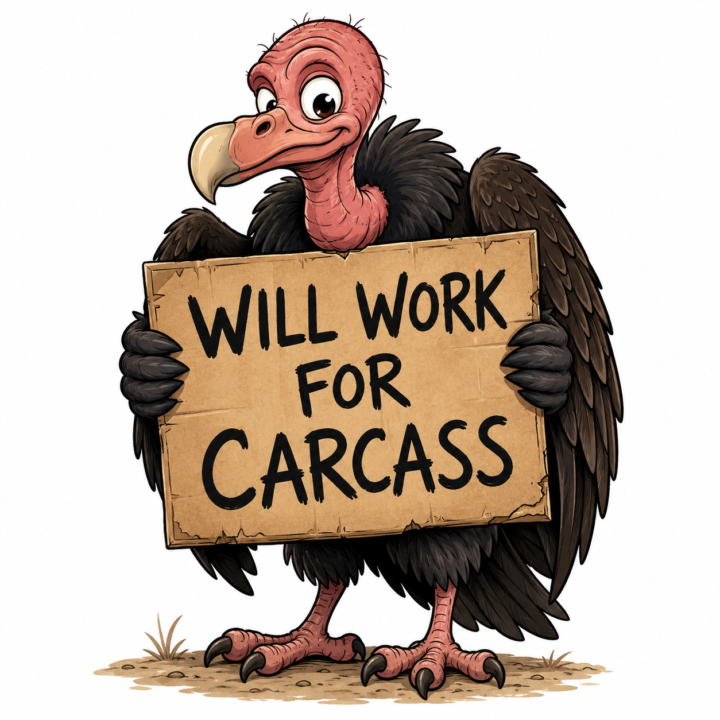
Will Work for Carcass.
Sounds like the perfect job description for a turkey vulture. Most people think turkey vultures are disgusting. After working with them for a year, I happen to think they're one of nature's greatest creations. If you've ever wondered why you rarely see dead animals lying around for long, you can thank turkey vultures. Their stomach acid is so powerful it destroys bacteria that would make most animals seriously ill. They're nature's cleanup crew, helping stop disease before it has a chance to spread. Their bald heads have a purpose too. Without feathers covering their face, they can feed inside a carcass and stay much cleaner than they would otherwise. Not every animal is beautiful in the traditional sense. But every animal has a purpose. Turkey vultures just happen to have one of the messiest and one of the most important. What's your favorite misunderstood animal?
1 like • 1d
@LM Sharron yikes!
1 like • 1d
@LM Sharron I do I do! As I love and see you my dearest friend and soul sister.
🔥
3d •
Why I Do What I Do
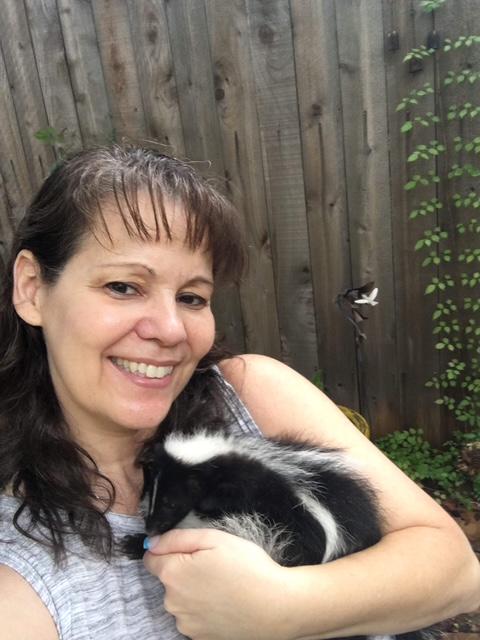
Working with animals isn't easy. As a wildlife rehabilitator, you have about a 50% chance of successfully raising an orphaned animal to the point it can be released. Every baby you take in comes with hope and the risk of heartbreak. Then, if you succeed, another kind of heartbreak begins. You open that carrier, watch them disappear into the wild, and wonder, "Did I do enough? Will they make it?" I'm only a parent of paws, but if you've ever raised children or become an empty nester, you probably understand that feeling. You do everything you can, then you have to let them go and trust they'll find their own way. For five years I rehabilitated wildlife for All Things Wild while also serving as their grant writer. Finding money for animals is never easy. People often think nonprofits simply apply for grants and the money appears. Most grants are small, and fundraisers and community support are what keep the doors open. Before wildlife rehabilitation, I founded a feral cat rescue, created the 501(c)(3), raised the money, trapped cats, organized adoptions, and helped more than 500 cats. I've lived this work from every angle. That's why I know it takes a community to save animals. So why do I do what I do? Because I can't imagine my life without animals. And I can't imagine reaching the end of my life knowing I didn't fully use the gifts GOD gave me to help them. That's why I created Empowering Animals. I know I can't save them all. But together, we can save far more than any of us could alone.
1 like • 1d
@LM Sharron your love & compassion for the animals is beautiful LM.
🔥
7d •
July 1 is almost here! 🐾
It's almost time for our community to vote on the next animal organization we'll support. One of the ways to help make those donations possible is through Cause & Chaos Graphic Tees. Every design is inspired by animals, heart, and those moments in life that make us think, "Yep... I wish I'd said that out loud." 10% of net profits help support animal causes. If you've been thinking about picking up a shirt, now is a great time. Your purchase helps us continue supporting organizations making a difference for animals. Go have a look around. You deserve a heart smile and a good laugh today. ❤️ Mean What You Wear. ❤️
1 like • 5d
I love both my shirts. I wore my Own Your (poop bag pic) with a Westie named Frankie on it while I was still in Spain, but I forgot to get a picture of us!
1 like • 1d
@LM Sharron it did!!
1-10 of 136
@butterfly-love-8330
Living and loving animals in Las Vegas, NV.
Active 1d ago
Joined Nov 28, 2025