Activity
Mon
Wed
Fri
Sun
Sep
Oct
Nov
Dec
Jan
Feb
Mar
Apr
May
Jun
Jul
Aug
What is this?
Less
More
Owned by Angi
Learn to preserve food with confidence. Live demos on canning, freezing, fermenting & dehydrating, plus live pantry chats & a supportive community.
TMT Tribe - Gut Health Repair
221 members • Free
Skool Growth Free Training Hub
9.6k members • Free
Synthesizer
46.7k members • Free
The Watercolor Journey
400 members • $7/month
church
154 members • Free
Skoolers
162.7k members • Free
DIY Gardening
1.2k members • Free
4 contributions to DIY Gardening
🔥
Jun 19 •
🌧️ Has it been a wet, dry, or normal year for you so far?
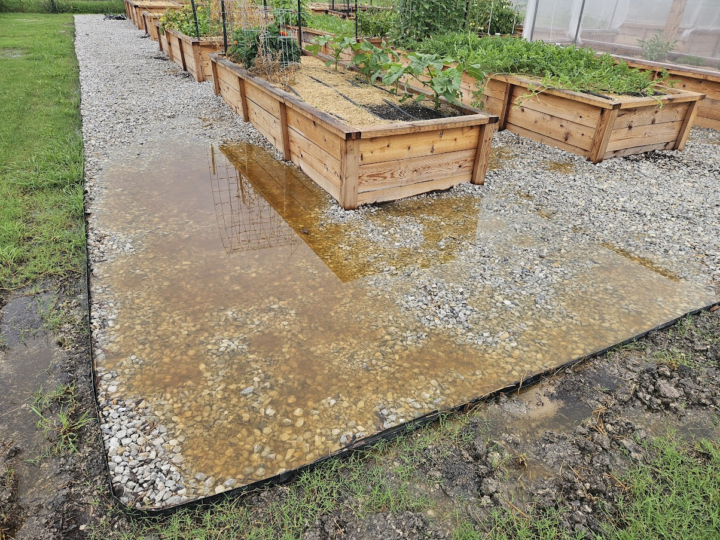
So... how's the weather? 🤣 Here in North Texas, we are 𝘥𝘦𝘦𝘱 in an El Niño year (and possibly a super El Niño?) Normally, by June, we're in a pretty serious drought. Instead, I'm writing this while yet another big storm rolls through, and we've already gotten 1.08 inches in the last three hours alone. For June so far? 𝟰.𝟲𝟵 𝗶𝗻𝗰𝗵𝗲𝘀 𝘁𝗼𝘁𝗮𝗹, with an average 𝗵𝘂𝗺𝗶𝗱𝗶𝘁𝘆 𝗼𝗳 𝟴𝟱%. That is not normal for us. 𝗪𝗮𝗶𝘁, 𝘄𝗵𝗮𝘁 𝗶𝘀 𝗘𝗹 𝗡𝗶ñ𝗼? El Niño is a natural weather pattern that happens when the Pacific Ocean warms up more than usual, shifting rainfall and temperatures across the globe. For those of us in the Western Hemisphere, that tends to mean wetter, rainier conditions than we're used to. I've heard a lot of you mention struggling with the rain this year. And for me, it's one of those things that feels like a blessing and a curse at the same time. I've barely had to water my garden, which is great. But I'm also dealing with more plant disease than I've seen in a long time, and that's 𝘯𝘰𝘵 great. 𝗧𝗼𝗼 𝗺𝘂𝗰𝗵 𝗿𝗮𝗶𝗻 𝗰𝗮𝗻 𝗰𝗮𝘂𝘀𝗲 𝗽𝗿𝗼𝗯𝗹𝗲𝗺𝘀 Here are the two I'm personally facing right now: 1. 𝗗𝗶𝘀𝗲𝗮𝘀𝗲 𝗽𝗿𝗲𝘀𝘀𝘂𝗿𝗲 Wet conditions (soggy soil, water sitting on leaves, high humidity) create the perfect environment for fungal and bacterial diseases to spread. I'm battling this right now on my bush beans, watermelon, strawberries, cucumbers, and tomatoes. (Photos attached). → We'll talk more about how I'm managing this in today's Q&A. 2. 𝗡𝘂𝘁𝗿𝗶𝗲𝗻𝘁 𝗹𝗼𝘀𝘀 When a lot of rain comes at once, it can literally wash nutrients out of your soil before your plants ever get a chance to use them. (The fancy term for this is "leaching.") On top of that, waterlogged soil makes it harder for plant roots to absorb the nutrients that are still there. The result? Yellowing leaves, slow growth, and plants that just look... off. I actually covered this in depth during the fertilizer workshop, so if you want the full picture, definitely go back and watch that.
Poll
25 members have voted

2 likes • Jun 20
We’ve had a good amount of rain so far this summer (Tx Gulf Coast). We’ve had drought conditions for several years and could graze cattle in some of our lakes 🫤 So even though my garden has been struggling with all the rain, I’m thankful for it.
2 likes • Jun 20
@Megan Webb It is weird!
🔥
Jun 13 •
🌱 How Succession Planting Works - Avoiding "Feast or Famine"
Have you ever had all your lettuce bolt (go to seed and turn bitter) in the same week? ...Or harvested a mountain of bush beans all at once, scrambled to use/preserve them… and then had nothing for the rest of the season? That's "feast or famine". And succession planting is how you fix it. 🌿 𝗦𝗼, 𝘄𝗵𝗮𝘁 𝗶𝘀 𝘀𝘂𝗰𝗰𝗲𝘀𝘀𝗶𝗼𝗻 𝗽𝗹𝗮𝗻𝘁𝗶𝗻𝗴? Succession planting just means spreading out your plantings over time instead of putting everything in the ground at once. Instead of planting all your lettuce seeds on the same day, you plant a small batch, wait a couple of weeks, plant another small batch, wait again, and keep going. The result? Instead of 20 heads of lettuce all ready on the same Tuesday, you get fresh lettuce coming in steadily for weeks, or even months! It’s a fairly simple practice, with a big payoff! 🥗 𝗧𝗵𝗲 𝗽𝗹𝗮𝗻𝘁𝘀 𝘁𝗵𝗮𝘁 𝗿𝗲𝗮𝗹𝗹𝘆 𝗯𝗲𝗻𝗲𝗳𝗶𝘁 𝗳𝗿𝗼𝗺 𝘁𝗵𝗶𝘀: Some plants are natural candidates for succession planting because they tend to produce their harvest all at once, and then they're done. 𝗟𝗲𝘁𝘁𝘂𝗰𝗲, 𝗦𝗽𝗶𝗻𝗮𝗰𝗵, 𝗮𝗻𝗱 𝘀𝗮𝗹𝗮𝗱 𝗴𝗿𝗲𝗲𝗻𝘀 — Classic examples. Heat makes them bolt fast. Planting every 2–3 weeks keeps the salad bowl full from spring into early summer (and again in fall). 𝗕𝘂𝘀𝗵 𝗯𝗲𝗮𝗻𝘀 — Unlike pole beans (which climb and keep producing), bush beans give you a big flush of pods over just a few weeks, and then they're mostly finished. Successive plantings every 2–3 weeks stretch that harvest 𝘸𝘢𝘢𝘢𝘢𝘺 out. 𝗥𝗮𝗱𝗶𝘀𝗵𝗲𝘀 — These mature in as little as 4 weeks, which means a single planting is gone before you know it. Succession planting radishes every 1–2 weeks keeps a continuous trickle coming. 𝗣𝗲𝗮𝘀 — Cool-weather lovers that stop producing and die off once summer heat hits. Plant in waves in early spring & again in late summer/early fall to maximize the growing windows. 𝗖𝗶𝗹𝗮𝗻𝘁𝗿𝗼/𝗖𝗼𝗿𝗶𝗮𝗻𝗱𝗲𝗿 — This herb bolts (goes to seed) incredibly fast in warm weather. Planting a short row every 2–3 weeks is basically the only way to have it reliably all season. (At least, it is for me in Texas 🥵)

1 like • Jun 17
@Megan Webb One easy way I do it is that when I plant the plants I started in the spring, I sow some seeds at the same time...that gives me at least one more harvest. I try to sow more later but don't always get around to it.
1 like • Jun 17
@Vanessa Lowe I'm sure I learned it from someone else...lol

Jun 9 •
Fig advice
Is this normal? Should I cut the leaves? I got this fig as bare root in November.

1 like • Jun 10
We had a new fig tree that got eaten down to the ground by a rabbit over a decade ago. It came back from the roots (I put a cage around it..lol) and grew into an amazing full fig tree. Fig trees are hardy!!!😂
🔥
May 18 •
Blackberry Season is in Full Swing!
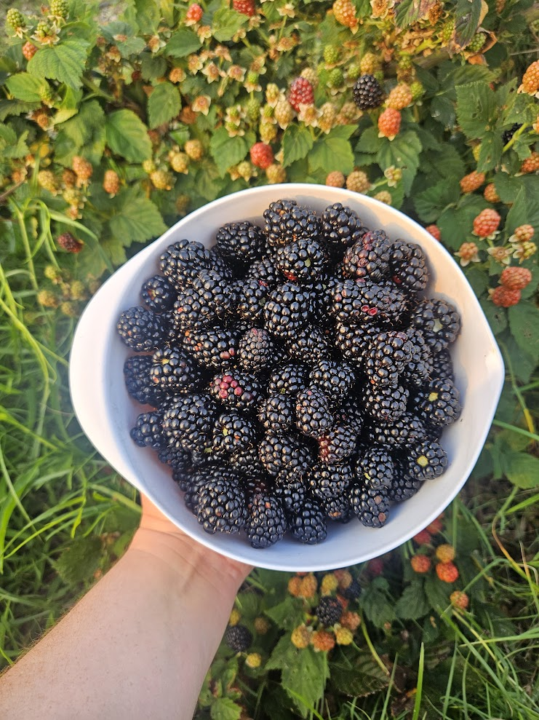
I harvested 2 lbs 9.6 oz of blackberries this morning, and that wasn't even half of what's out there ready to pick! At the current rate of $0.67/oz for organic blackberries at the store, that makes this a ~ $28 harvest! Woohoo! 🙌 To celebrate, here are some fun facts about growing blackberries. 😊 𝗧𝗵𝗲𝘆 𝗹𝗼𝘃𝗲 𝘀𝗹𝗶𝗴𝗵𝘁𝗹𝘆 𝗮𝗰𝗶𝗱𝗶𝗰 𝘀𝗼𝗶𝗹: A pH of 6.0–6.5 is their sweet spot, the same range as blueberries and strawberries. 𝗧𝗵𝗲𝘆 𝗻𝗲𝗲𝗱 𝗳𝘂𝗹𝗹 𝘀𝘂𝗻: Less sun = fewer berries. They want at least 6–8 hours a day. 𝗧𝗵𝗲𝗿𝗲 𝗮𝗿𝗲 𝘁𝘄𝗼 𝘁𝘆𝗽𝗲𝘀 𝗼𝗳 𝗽𝗹𝗮𝗻𝘁𝘀, 𝗳𝗹𝗼𝗿𝗶𝗰𝗮𝗻𝗲 𝗮𝗻𝗱 𝗽𝗿𝗶𝗺𝗼𝗰𝗮𝗻𝗲: - Floricane varieties produce on second-year canes. So you plant, wait a year, then harvest. - Primocane (everbearing) varieties fruit in their very first season AND again the following year, giving you two crops from one plant. 𝗣𝗿𝘂𝗻𝗶𝗻𝗴 = 𝗺𝗼𝗿𝗲 𝗯𝗲𝗿𝗿𝗶𝗲𝘀: It feels counterintuitive, but pruning canes during the growing season encourages branching, which means more fruiting sites. Don't skip it! 𝗞𝗻𝗼𝘄 𝘄𝗵𝗲𝗻 𝘁𝗼 𝗽𝗶𝗰𝗸: - Wait until there's zero red or pink left on the berry, AND it comes off the cane with almost no effort. If you're tugging, it's not ready. - Bonus tip: ripe blackberries lose their glossy shine and look slightly dull. That matte finish = peak sweetness. Pick those! 𝗧𝗵𝗲𝘆'𝗿𝗲 𝗹𝗼𝗻𝗴-𝗹𝗶𝘃𝗲𝗱: A well-maintained planting can produce for 15+ years. Plant them once and enjoy them for a long, long time. ⚠️ 𝗚𝗶𝘃𝗲 𝘁𝗵𝗲𝗺 𝘁𝗵𝗲𝗶𝗿 𝗼𝘄𝗻 𝘀𝗽𝗮𝗰𝗲 𝗮𝗻𝗱 𝗸𝗲𝗲𝗽 𝗮𝗻 𝗲𝘆𝗲 𝗼𝗻 𝘁𝗵𝗲𝗺: - Blackberries spread, and they spread fast. New canes will pop up beyond where you planted them, so you want to be able to spot and remove any strays easily. - Keep them away from your main garden beds and annual veggie areas. They will absolutely take over if given the chance. A dedicated spot with clear boundaries is the move! Are you growing blackberries? Thinking about it?
5 likes • May 18
Those look fantastic! We grow wild blackberries (dewberries) on our property. Last year we had a fantastic harvest, this year's wasn't as good. I need to clean out the patch and take better care of them - but the thorns deter my motivation....lol
1-4 of 4

@angi-schneider-7693
Angi Schneider is the author of two food preserving books and writes the about cooking from scratch and gardening on CreativeSimpleLiving.com.
Active 9h ago
Joined Feb 27, 2026
Powered by