Activity
Mon
Wed
Fri
Sun
Nov
Dec
Jan
Feb
Mar
Apr
May
Jun
Jul
Aug
Sep
What is this?
Less
More
Hangar 18
171
$997
We Are Apex
344
$97/m
AI Automation Society
464.1k
Free
REAL SUCCESS
15.3k
Free
Trail Race Ready
63
Free
Digital Landlords
490
$10,000
1 contribution to Redirect K9s

Jan 1 •
Great Pyrenees
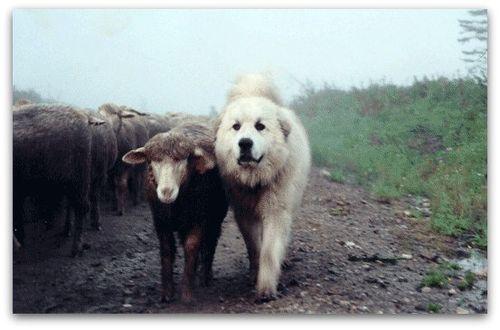
The Great Pyrenees, if you are American, or the Pyrenean Mountain Dog, if you are from the UK or Europe, are thought to have originated in Asia and were associated with the peasant shepherds. Experts speculate that the Pyrenees we know today may have evolved from a white mountain dog as far back as 11,000 years from Asia Minor. The breed later found its way to France where they are known as Le Chien de Montagne des Pyrenees or Le Chien des Pyrenees. Fossilized remains were found of Pyrenees in the region of the Pyrenean Mountain that date between 1800-1000 B.C. but it is believed that the breed likely arrived to the area with their shepherds around 3000 B.C. Writings from the early 15th century France can be found expressing the usefulness of the “Great Dogs of the Mountains” and their guardian skills. There is also documentation that states the breed had a sentry role alongside the guards. Due to their keen vision and sense of smell the breed was seen as valuable as two men. They were also used as pack and messenger dogs across the mountains. In the late 17th century King Louis XIV adopted the Pyrenees as the Royal Dog and they soon became sought after by those of higher society. Due to his love for the breed, they rose in popularity and went from being livestock/working dogs to royal companions. Due to the increased interest by those of royal and higher status extra care and attention was put into their breeding efforts. They wanted to keep the versatility, guardian and companion skills, of the breed which is something that we are still able to enjoy about them today. The Great Pyrenees is not only a protector and savior of their herd and their families but also their fellow dog. In the late 19th century the breed was used to help revive the St. Bernard after their numbers greatly decreased due to avalanches and distemper disease in Switzerland. Today the Great Pyrenees are still used for livestock guarding and nurturing their herds. They have kept their white coat which helps them blend in with sheep to aid in remaining undetected by predators. They are independent, strong willed and so innately good at what they do they don’t need human direction to make decisions.

1 like • Jan 1
@Christina Brewster I have never heard of paw wax haha i'll have to check it out!
1 like • Jan 1
@Christina Brewster I will check it out. Thanks! Would be much easier to not have to stop to pick the snow out of his toes lol
1-1 of 1

Active 7h ago
Joined Dec 19, 2025
INFJ
100 mile house, BC, Canada