Activity
Mon
Wed
Fri
Sun
Aug
Sep
Oct
Nov
Dec
Jan
Feb
Mar
Apr
May
Jun
Jul
What is this?
Less
More
Owned by Andrea
Tried everything for fibromyalgia or chronic pain? Natural relief you run at home with EFT & Plasmatic Therapy. Join free. EN | PT
Memberships
🇦🇺 Melbourne IRL
61 members • Free
Community Proof Lab
506 members • $39/month
Practitioner Biz Builder 🪷📈
10 members • Free
THE SEEN COLLECTIVE
30 members • Free
the skool CLASSIFIEDS
2k members • Free
Focused Founders™
615 members • Free
Aromaterapia en Acción
985 members • Free
7 contributions to How To Live Longer

Jun 2 •
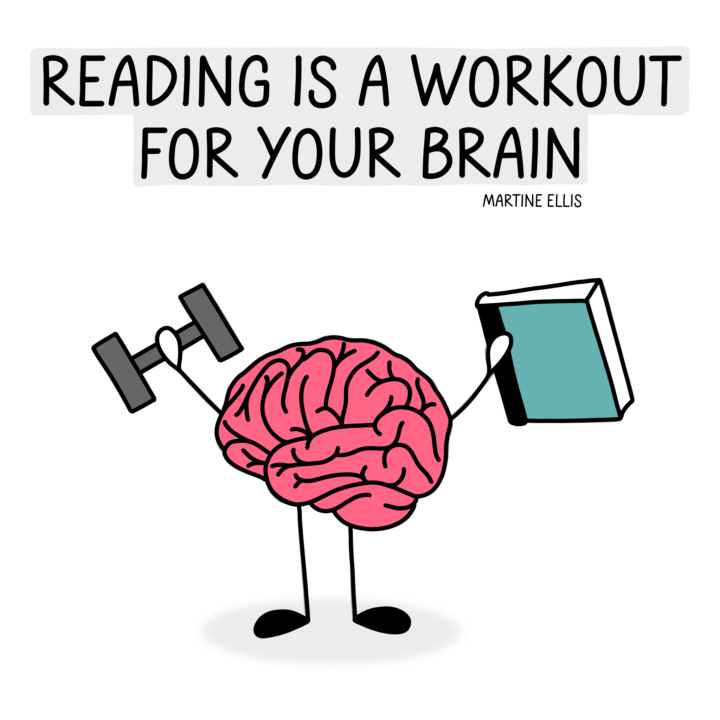
Your brain is either growing or shrinking. No middle ground. 🧠
A brand new study published in the journal Neurology followed nearly 2,000 adults and found that people who kept reading, writing, and learning new things throughout their lives had a 38% lower risk of developing Alzheimer's disease and a 36% lower risk of mild cognitive impairment compared to those who didn't. Science Alert Let that sink in. 38%. Those with the most lifelong learning developed Alzheimer's disease five years later and mild cognitive impairment seven years later than those who did the least. Rush This isn't luck. It's the brain rewarding you for using it. What's actually happening inside your head 🔬 Every time you learn something new, read a book, or try a new experience, your brain builds new neural connections. Scientists call this neuroplasticity. The brain is a dynamic organ capable of responding to stimulating environments through changes at the cellular level, including the release of neurotrophic factors and reprogrammed functional connectivity. PubMed Central Think of it like a muscle. Use it and it grows. Ignore it and it shrinks. Blood flow is everything 🩸 Your brain needs constant blood flow to think clearly, form memories, and stay sharp. Cut off that supply and things go downhill fast. Research found that uninterrupted sitting triggered a measurable reduction in blood flow velocity to the brain. The good news? Two-minute light-intensity walking breaks every 30 minutes were enough to offset the decline. Fit&WellFit&Well Two minutes. That's it. ❌ Habits that hurt your brain: 🪑 Sitting for hours without breaks: directly reduces cerebral blood flow and slows executive function

3 likes • Jun 3
Right now I wish I had more time to read a paper book. Yet, I keep on "reading" audio books while driving, and learning and reading on web, choosing not to scroll but to read what I need to learn or to read something fun to distract myself and raise oxytocin for a few minutes. Another thing I love doing is to challenge my brain every now and then by doing things that it is not expecting like writing with the non-dominant hand, reading a a paper that is upside down, trying a challenging movement with opposite sides of my body. That is how I keep my brain sharp and happy. Have you tried any of those little brain challenge?
1 like • Jun 4
@Vinnie Lamonica That is a good one! I need to remember to add that too!
May 24 •
🧊 Cold Showers Might Slow Your Aging (Here's Why)
❄️Most people avoid the cold. That's exactly why most people are missing out. A 2024 University of Ottawa study found that just 7 days of cold water exposure significantly boosted autophagy in participants. Autophagy is your cells' built-in recycling system (it clears out damaged, worn-down cell parts before they can cause problems). Think of it like your body taking out the trash at a cellular level. When autophagy slows down as you age, damaged cells pile up and accelerate aging. Cold exposure helps keep that process running. What cold exposure actually does: - 🔥 Reduces chronic inflammation - inflammation is basically your immune system stuck in "on" mode. Over time it quietly damages your organs, joints, and arteries. Cold water helps turn that dial back down. - ⚡ Spikes norepinephrine and dopamine for hours after - norepinephrine is your focus and alertness chemical. Dopamine is your motivation and mood chemical. Cold gives you a natural surge of both, without caffeine or stimulants. - 🫀 Improves cardiovascular function - cold water forces your blood vessels to contract and expand, which over time makes them stronger and more flexible. Healthier blood vessels mean lower heart disease risk. - 🧠 Boosts BDNF - Brain-Derived Neurotrophic Factor is basically fertilizer for your brain. It helps grow new neurons and protect existing ones. Higher BDNF is linked to sharper memory and slower cognitive decline as you age. - 🔁 Activates autophagy - your cellular cleanup crew (as explained above). This one is huge for longevity. How to start without being miserable: 1. End your shower with 30-60 seconds of cold water 2. Build up to 2-3 minutes over a few weeks 3. Do it in the morning or before a workout, never right after lifting 4. Consistency matters more than intensity -daily beats occasional ice baths The rule to live by: Cold before strength training or 5+ hours after. Your muscles need some inflammation to recover and get stronger after a session. Cold shuts that process down, so timing matters.

2 likes • May 24
My dad used to have cold showers daily. His health was great and his skin amazing - not sure if for the cold or the Spanish genes 😁 - and he used to walk 5 to 10 km daily. Once, my nephew gifted him with an electric hot water shower because he needed to record an ad for the Sponsor and at the end of the ad my dad says “beautiful hot shower head but my shower must be cold” lol
2 likes • May 24
@Vinnie Lamonica well, let’s say mostly 😁
May 16 •
Magnesium not helping sleep? 🛌On medications?
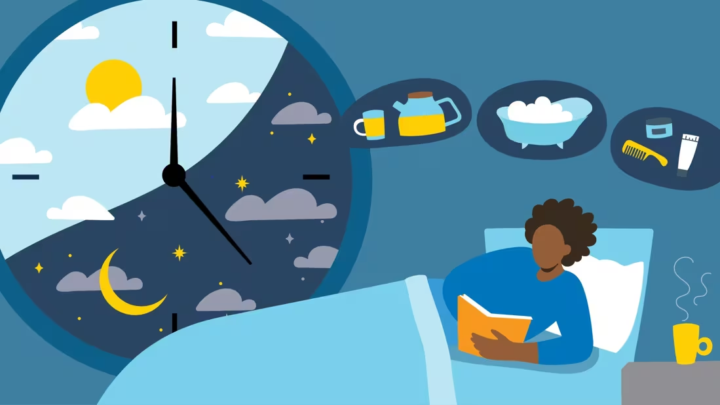
So I was talking to someone today who wanted my help to sleep better.🛌🛌 They had seen that I recommended 400mg of magnesium glycinate, however, when they tried it for themselves it kept them up instead of aiding sleep.🛌🛌 This individual had been on certain medications for a long period of time and had just gotten off of it. They asked what other recommendations I had.🛌🛌 I would first say that you always want to consult a doctor, especially when adding something to your diet when you are on any form of medication. Second, I would say that, a general dosing is not made for everyone and you should always start and test small.🛌🛌 This is what I recommended: "Im sorry you had a bad experience with the magnesium recommendation. Current and previous medication play a huge role in how things interact with out body. Additionally, doses matters significantly. I had my mom try out magnesium glycinate and at 300mg, even that dosing was too much for her smaller body and she ended up staying up all night going to the bathroom. I would say, small incremental changes are king. Many foods more magnesium and can help naturally release melatonin. If you are sleeping fine already then i would suggest staying consistent with sleep and wake times, get sunlight on your face first thing in the morning, and wear bluelight glasses/read before bed. all of these habits will make for a better quality sleep. We don't necessarily need to hack our way to good sleep with supplements, but instead build good habits that make for great sleep consistently!" We don't need a hack, we need habits! More learning in the classroom! Have a great day everyone!🛌🛌
1 like • May 21
@Brodie Marschall How wonderful that she's already exploring meditation. Meditation is such a powerful starting point for pain management. How is she finding it? And thank you Vinnie, so kind! Meditation paired with a few other gentle tools can really shift things for arthritis. Always happy to chat if you want to explore what else might support her.
May 20 •
🪑 Your Chair Might Be Killing You (Literally)
Just listened to Chris Williamson's Modern Wisdom episode with Bob King, founder & CEO of Humanscale. The stats stopped me cold. 🛑 📉 The numbers are brutal: - 16% higher all-cause mortality risk for people who sit at work 🚨 - 34% higher risk of dying from cardiovascular disease ❤️🩹 - Add commuting, leisure, and sleep and most desk workers hit 15 hours of static time daily 😳 Most people move MORE in their sleep than they do at work. Let that sink in. 🧠 The real culprit isn't sitting. It's sitting STILL. When you sit hunched over a keyboard, your largest muscles go fully dormant. Blood flow slows. Your spine compresses. Hunching forward puts more stress on your spine than almost anything outside of heavy lifting. ⚙️ 🛠️ What to actually do: 🚶 Move every 30 minutes A Columbia study cited in the pod found a slow 5-minute walk every 30 minutes can cut blood sugar spikes by ~60% over a year. ✅ 🪑 Lean back, don't hunch The more reclined you are, the less stress on your spine. 🖥️ Monitor at eye level Top third of the screen should match your eyeline. 👀 20/20/20 rule Every 20 minutes, look at something 20+ feet away for 20 seconds. Each hour of daily screen time = 21% higher odds of myopia. 📱 ☀️ Get outside when you can Sunlight regulates melatonin properly so you sleep better at night. It's not sitting that's killing us. It's the stillness. Move every 30 minutes and you flip the script. 🔁 ❓ How many hours a day do you sit? Interested to hear what @Lance Hitchings thinks.

1 like • May 20
Oh my...you just reminded me that it's time for me to get a new desk chair! Thank you!
Apr 8 •
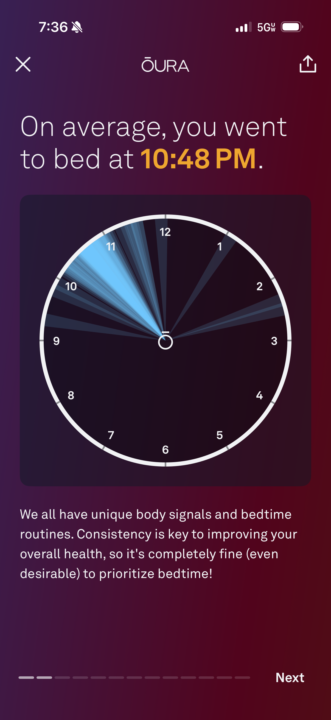
🛌Sleep reports🛌
It’s always cool to see seasonal reports and analyze over a period of time how you did. I’m proud of my consistent sleep/wake times. Believe it or not these were much more sporadic a few years ago… Then I prioritized bedtime more than anything else. Were friends mad, girlfriend upset, missed family time? No, not at all. If you are are serious and determined about something, your loved ones will understand and adapt. It’s literally life or death…. lol. Normalize strict bedtimes again!!! How has your sleep been?
2 likes • Apr 9
@Lidia Axe amazing that you go to bed with with your daughter, I wish I could do that but I still have hours of activities to complete once my daughter is in bed. Have you tried EFT for improving your sleep? I find that it helps me release the stress of the day so I get a better night sleep. I also like a breathing technique that is 4-1-8-4 rhythm - I fall asleep within 5 min or less and it helps me to sustain deep sleep. Unfortunately, I'm not consistent with bed time and this is something I started to prioritise recently.
2 likes • Apr 9
@Lidia Axe Great!
1-7 of 7

@andrea-quintal-portas-2947
Helping you relief chronic pain and illness when nothing else worked. Biomedical Professional, accredited EFT practitioner and Plasmatic Therapist.
Online now
Joined Mar 16, 2026