Activity
Mon
Wed
Fri
Sun
Aug
Sep
Oct
Nov
Dec
Jan
Feb
Mar
Apr
May
Jun
Jul
What is this?
Less
More
Memberships
🌱 Living Soil with Cherene
345 members • Free
Dakoda Herbals Academy
139 members • Free
The Sacred Space
6.5k members • Free
Eco-Punk Foragers Community
386 members • Free
36 contributions to Dakoda Herbals Academy

16d •
Plant Spotlight, Wood Sorrel (Oxalis)
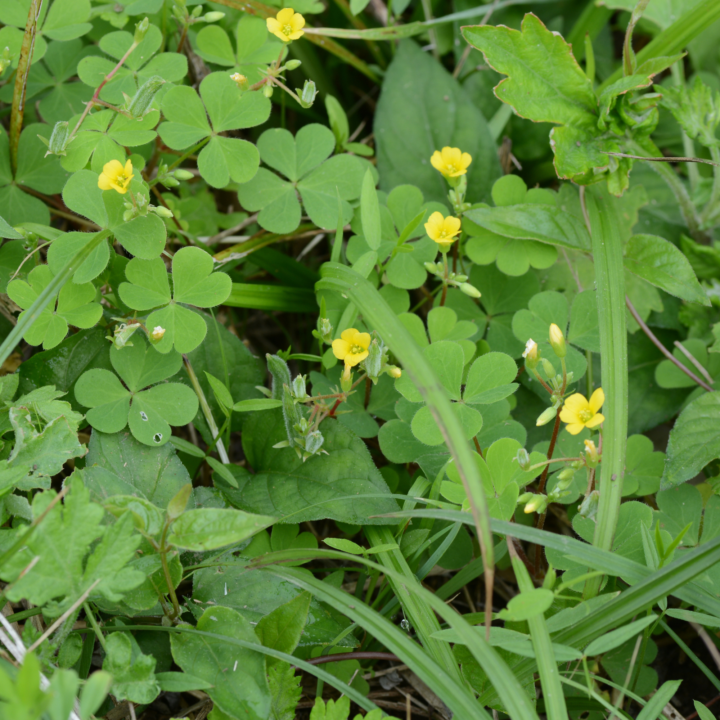
If you've ever seen tiny heart shaped leaves carpeting the ground and thought they were clover, there's a good chance you were actually looking at wood sorrel. Despite its common name, wood sorrel isn't related to true sorrel (Rumex species). Instead, it belongs to the genus Oxalis, a group containing hundreds of species found around the world. How did it get its name? The name Oxalis comes from the ancient Greek word oxys, meaning "sharp" or "acid," referring to its pleasantly tart flavor. The common name "wood sorrel" comes from both that sour taste and the fact that many species naturally grow in woodlands and shady forests. What does it taste like? The leaves have a bright, lemony, tangy flavor thanks to naturally occurring oxalic acid. Many people enjoy nibbling a leaf while hiking or adding small amounts to salads, soups, pestos, herb butter, or as a garnish. The cheerful flowers are edible too. Different types you may encounter: There are hundreds of Oxalis species, but these are among the most common: • Yellow Wood Sorrel (Oxalis stricta), one of the most widespread wild species in North America. • Creeping Wood Sorrel (Oxalis corniculata), a low growing species that often develops reddish stems and can spread quickly. • Violet Wood Sorrel (Oxalis violacea), a beautiful native species with striking lavender flowers. • Pink Wood Sorrel (Oxalis debilis), commonly grown as an ornamental in warmer climates. Although they vary in appearance, many species share the same characteristic heart shaped leaflets and tart flavor. Traditional herbal uses: Historically, wood sorrel has been used in small amounts in traditional herbal practices as: • A cooling herb. • A gentle digestive bitter and appetite stimulant. • A mild diuretic. • A source of vitamin C before citrus fruits became widely available in some regions. • A fresh poultice in some folk traditions for minor skin irritations and insect bites. Modern clinical research on wood sorrel as an herbal medicine remains limited, so most medicinal uses are based on historical and traditional practice rather than strong clinical evidence.

1 like • 15d
I had no idea about this plant. I had an oxalis indoor plant and I'm wondering if it's the same type as these. It was dark purple
16d •
Welcome to Our Growing Herbal Community!
I want to give a warm welcome to all of our newest members. I'm so happy you're here!! Whether you're completely new to herbs, have been growing plants for years, or you're somewhere in between, you've found a community of people who simply love learning from nature. This space is about curiosity, asking questions, sharing experiences, and growing together. No one knows everything, and that's one of the beautiful things about herbalism. There is always something new to discover. I'd love to get to know you! Tell us: • Where you're from. • How long you've been interested in herbs. • What first sparked your interest in herbalism. • What's one plant you've always wanted to learn more about. Don't be shy about asking questions. Chances are, if you're wondering something, someone else is too. Thank you for being here. I truly can't wait to learn alongside each of you! 💙
2 likes • 15d
Hello to all the new people! So nice to have you here
20d •
A-Z Therapeutic Terms: C is for Cicatrizant!
Happy Friday!! One of my favorite things about herbalism is that it gives us a language to describe how herbs work, not just what they're used for. This week's therapeutic term is cicatrizant! The word comes from the Latin cicatrix, meaning "scar." A cicatrizant is something that supports the body's natural wound-healing process by encouraging healthy tissue repair and helping wounds close efficiently. Many cicatrizant herbs are also anti-inflammatory and antimicrobial, making them wonderful allies for minor cuts, scrapes, burns, cracked skin, and other everyday skin irritations. It's important to remember that herbs don't magically "heal" wounds themselves. Rather, they support your body's own remarkable healing process by creating an environment that encourages tissue regeneration and healthy repair. Some of my favorite cicatrizant herbs include: + Calendula - One of the best known skin herbs. It supports healthy granulation tissue, calms inflammation, and is a staple in infused oils, salves, and creams. + Aloe vera - Instantly soothing for minor burns and irritated skin while helping maintain a moist healing environment. + Comfrey - Famous for its tissue-regenerating properties because of its allantoin content. Traditionally used externally for bruises, sprains, and minor wounds. (Because it can encourage skin to close quickly, it's generally recommended only for clean wounds and not deep puncture wounds.) + Gotu kola - A fascinating herb that has been studied for its ability to support collagen production and healthy scar formation, making it a favorite in both traditional medicine and modern skincare. As always, not every herb fits neatly into one category. Calendula, for example, is also vulnerary, anti-inflammatory, antimicrobial, and lymphatic. Therapeutic actions simply help us understand the many ways an herb may support the body. Question for the community: What cicatrizant herb do you reach for most? Are you team calendula, aloe, comfrey, gotu kola, or do you have another favorite?
1 like • 15d
I have aloe and an aloe plant that doesn't want to seem to grow larger. I use calendula in my teas though
22d •
Wednesday Plant Spotlight: Virginia Pepperweed (Lepidium virginicum)
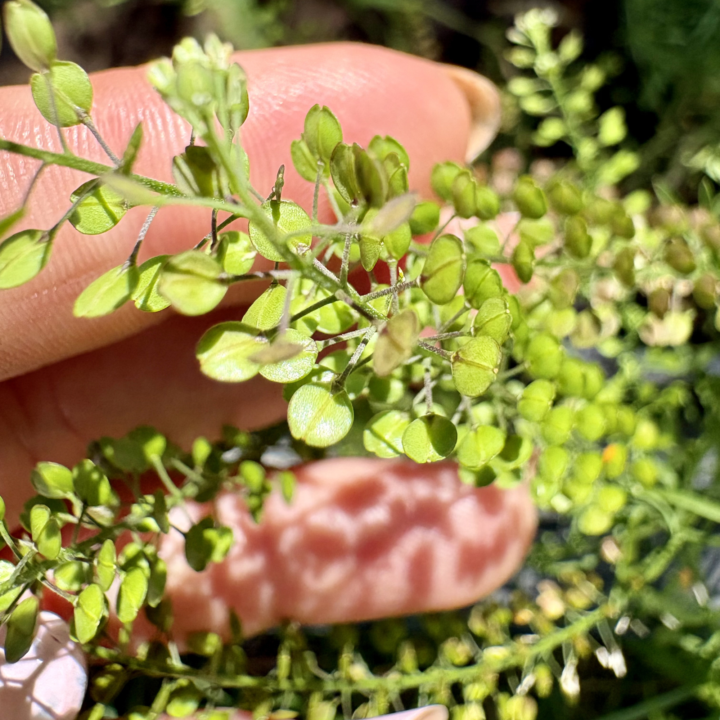
Happy Wednesday! Plant Spotlight: Virginia Pepperweed (Lepidium virginicum)! I was out exploring and came across a plant that many people walk right past without a second thought: Virginia Pepperweed!! You're coming home with me! (It was in my neighbors yard and we have an agreement that I can pick any of the "weeds" out of his yard before he mows them down. 💙) It's allso known as peppergrass, Virginia peppercress, poor man's pepper, and least pepperwort, this humble little member of the mustard family has a fascinating story! ⭐️ How it got its name: The genus Lepidium comes from a Greek word meaning "little scale," referring to its tiny flattened seed pods. The species name virginicum means "of Virginia." Many North American plants were originally described from specimens collected in Virginia and the surrounding eastern colonies, so the name stuck. And "pepperweed"? That's because the leaves and young growth contain the same family of compounds that give mustard, radishes, horseradish, arugula, and wasabi their spicy kick. When I crushed the leaves, they released a distinctly peppery, mustard-like aroma. ⭐️ How to identify it: Virginia pepperweed is a member of the mustard family (Brassicaceae) and typically has: • Tiny white four-petaled flowers • Narrow, often deeply toothed leaves • Tall branching stems • Hundreds of tiny flattened seed pods lining the stalks • A peppery scent when the leaves are crushed One thing that caught my attention was the seed pods. They look like tiny green coins strung along the stem, giving the plant a bottlebrush appearance. 🌎 Where you'll find it: This plant thrives in disturbed soil and is commonly found in: • Gardens, Lawns, Roadsides, Fields, Sidewalk cracks, Farm edges It is native to much of North America and has spread widely around the world. ⭐️ Historical food use: Virginia pepperweed has a long history as a wild edible. The young leaves were eaten fresh or cooked, and the seed pods were sometimes used as a substitute for black pepper when spices were expensive or difficult to obtain.
1 like • 21d
I never really looked for this but i will now. If some is growing in my yard, you bet your sweet bootycheeks I'll carefully remove it and put it in my herb section once it's completed 😆
1 like • 15d
@Alexandria Dierkes-Whitson That's a pretty great neighbor!
29d •
Wednesday Herb Spotlight: Avena sativa (Milky Oats) 🌿
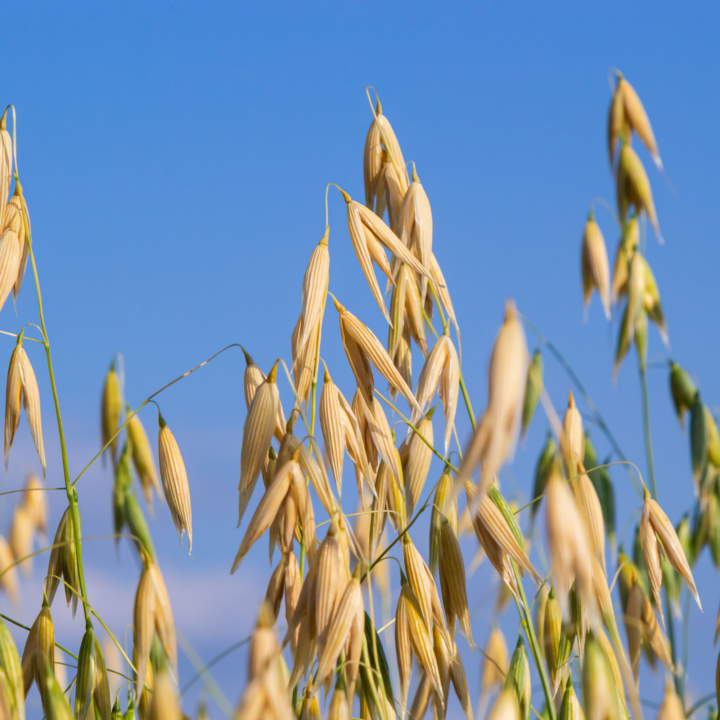
Well...I did it again. 😅 I stopped by my local wholesale nursery "just to look" and somehow left with more plants. In my defense, can any plant lover truly have enough?....don't answer that. Haha While wandering through the nursery, I spotted one of my absolute favorites: Avena sativa, commonly known as milky oats. Of course, they had to come home with me. If you've never worked with milky oats before, they're one of the most beloved herbs for supporting the nervous system. Herbalists often turn to them when someone feels depleted, frazzled, burned out, overstimulated, or simply worn down by the demands of life. The magic happens during a very specific stage of growth, the "milky" stage. If you gently squeeze the immature seed head, a white milky sap emerges. This is the stage traditionally harvested for fresh milky oat tinctures. Why herbalists love milky oats: 🌾 Traditionally used as a nourishing nervine 🌾 Supports a stressed and overworked nervous system 🌾 Often used during periods of burnout and exhaustion 🌾 Rich in minerals and nutrients when used as oatstraw 🌾 Considered one of the gentlest and most nourishing herbal allies One of the things I love most about this plant is that it reminds us that sometimes healing isn't about pushing harder, it's about nourishing what's been depleted. Fun fact: Avena sativa is the same species that gives us common oats, but herbalists utilize different parts of the plant at different stages of growth. Milky oat tops, oatstraw, and oat grain all have their own unique place in herbal traditions. Now tell me, what's the last plant you accidentally brought home when you were only supposed to be "looking"? 👀🌿
0 likes • 21d
I really need to add and grow some of this in my garden. I really need to get my herb section finished in my yard ASAP. Does online shopping count? Because if so, I got a raven ZZ 😆
1-10 of 36

Active 6d ago
Joined Feb 13, 2026