Activity
Mon
Wed
Fri
Sun
May
Jun
Jul
Aug
Sep
Oct
Nov
Dec
Jan
Feb
Mar
Apr
What is this?
Less
More
Memberships
AI & QA Accelerator
594 members • Free
1 contribution to AI & QA Accelerator

Mar 6 •
AI Coding Agents for QA: Part 2 — Types of the AI Coding Agent
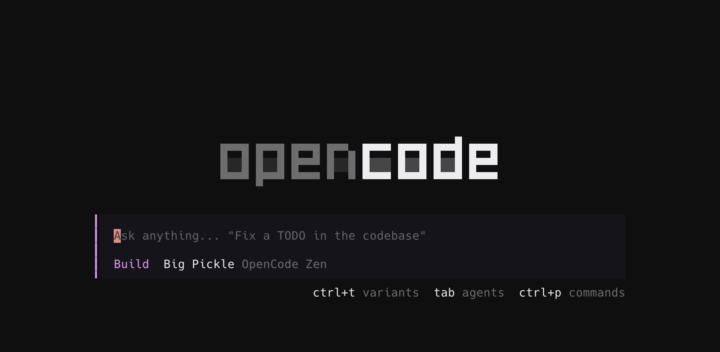
In Part 1 I promised to tell you which tools actually work. Let's start by ruling one category out. ──────────────────────────────────────── 🚫 𝐒𝐭𝐨𝐩 𝐔𝐬𝐢𝐧𝐠 𝐂𝐡𝐚𝐭 𝐀𝐩𝐩𝐬 𝐟𝐨𝐫 𝐂𝐨𝐝𝐢𝐧𝐠 ChatGPT, Claude.ai, Gemini — these are not coding tools. I know. You can paste code into them. You can ask questions. It feels like it should work. But here's the problem: these tools were trained to answer everything. Recipes. Health advice. Legal questions. Your Playwright test suite. Coding task. Those tools treat them all the same way. They also have zero access to your repo. They don't know your folder structure, your test helpers, your naming conventions — nothing. So every answer is generic. It could fit any codebase, anywhere. Generic = useless for real coding work ──────────────────────────────────────── ✦︎ 𝐂𝐋𝐈 𝐯𝐬 𝐈𝐃𝐄: 𝐖𝐡𝐚𝐭'𝐬 𝐭𝐡𝐞 𝐃𝐢𝐟𝐟𝐞𝐫𝐞𝐧𝐜𝐞? Coding-specific tools split into two types: ► CLI — you run them from the terminal, inside your repo ► IDE — they live inside your editor (Cursor, VS Code, etc.) CLI means Command Line Interface. You open your terminal, go to your project, and run something like: `>_ claude -p "add a login test to the checkout suite"` The agent reads your actual code, understands your project, and does the work. ──────────────────────────────────────── ✦︎ 𝐓𝐡𝐞 𝟒 𝐂𝐋𝐈 𝐓𝐨𝐨𝐥𝐬 𝐘𝐨𝐮 𝐍𝐞𝐞𝐝 𝐭𝐨 𝐊𝐧𝐨𝐰 🔹 𝐂𝐥𝐚𝐮𝐝𝐞 𝐂𝐨𝐝𝐞 built by Anthropic It has three models for three use cases: - Opus — the most powerful. Complex refactors, hard bugs, architecture decisions. Expensive. - Sonnet — the daily driver. Fast, accurate, handles most coding tasks and documentation well. - Haiku — fast and cheap. Good for the small jobs only: renaming files, adding a helper, generating a fixture. Pricing works on a "window" system. You buy a plan ($20 / $100 / $200 per month) and each plan comes with a usage limit. That limit resets every 5 hours and every week. In practice: burn through your limit at 2pm, wait until 7pm for the reset. It sounds annoying. Once you learn to match the model to the task you rarely hit the cap.

1 like • 21d
Have you tried using Amazon Q to generate code? If yes, what are your thoughts on that?
1-1 of 1

Active 6d ago
Joined Jan 19, 2026
Powered by