Activity
Mon
Wed
Fri
Sun
Aug
Sep
Oct
Nov
Dec
Jan
Feb
Mar
Apr
May
Jun
Jul
What is this?
Less
More
Memberships
How To Live Longer
101 members • Free
6 contributions to How To Live Longer

Mar 4 •
🛌💤FIGHT DAYLIGHT SAVINGS
Did you know that heart attacks spike by 24% on the Monday following the start of daylight saving time? That's according to a comprehensive study of hospital admissions in Michigan, highlighting how the sudden loss of an hour of sleep can strain the cardiovascular system. Similarly, research from Finland shows an 8% increase in ischemic stroke rates during the first two days after the spring time change. Losing that single hour has a bigger impact than most realize, disrupting our body's internal clock and potentially triggering serious health events. This one-hour adjustment isn't just a one-off inconvenience...it can create a butterfly effect on your sleep patterns for days or even weeks ahead. The shift throws off your circadian rhythm, leading to reduced sleep duration, increased fragmentation, and heightened daytime sleepiness, particularly for those with evening chronotypes. Over time, this misalignment can persist during the DST period, affecting metabolism, mental health, and overall sleep homeostasis. And sleep is absolutely crucial for longevity: Studies show that maintaining healthy sleep habits (like 7-9 hours nightly with good quality) can extend life expectancy by up to 4.7 years in men and 2.4 years in women compared to poor sleepers. Insufficient sleep is linked to higher mortality risk, often more strongly than factors like diet or exercise. With daylight saving time starting this Sunday, March 8, we have limited time to acclimate, but a gradual approach can help minimize the disruption. Here's a simple plan to adjust over the next few days: 1. Start tonight (March 3): Go to bed and set your alarm 15 minutes earlier than usual. 2. March 4: Shift another 15 minutes earlier for bed and wake-up. 3. March 5: Add another 15-minute shift. 4. March 6: One more 15-minute adjustment. 5. March 7: By now, you'll be aligned with the new time—maintain this schedule into Sunday. This progressive method eases your body into the change, reducing fatigue and health risks. If you have underlying conditions, consult your doctor for personalized advice.


1 like • Mar 4
I didn't know about that stat. Very interesting. Thank you for the tips and yeah I will definitely try to get to bed sooner this week
Feb 18 •
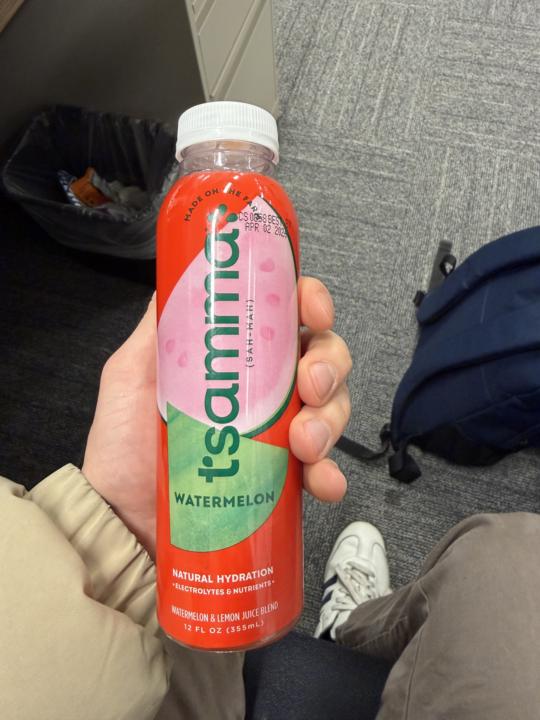
🍉🍉🍉Natural preworkout followup
So literally 5 hrs after making the natural pre workout post the other day I came across a pre packaged watermelon juice at my supermarket for around $2.50 USD. I obviously had to try it. As you can see it’s packed with electrolytes like potassium and magnesium. It’s got antioxidants like lycopene, other vitamins, and over 500 mg of citralline. Healthy, hydrating, helps pump up your muscles for a workout and is yummy. This was really cool to see! If you didn’t see my previous post on this I go over the best natural ingredients for a preworkout drink. I tell you what each ingredient does as well. Electrolytes from Himalayan salt and watermelon juice were on the list, making this supermarket find super coincidental!
1 like • Feb 18
I have never seen that drink before but I will check and see if my local supermarket carries it or just order it online.
Dec '25 •
Coffee Alternatives?
Healthier Longevity Alternatives to Coffee If you're looking to cut caffeine or just mix it up, these swaps give steady energy, brain protection, and anti-aging perks without the cortisol spike or afternoon crash. Green Tea (especially matcha) - Rich in L-theanine + modest caffeine for calm focus; antioxidants fight inflammation and protect neurons. A 2021 Nutrients review links regular green tea to lower all-cause mortality and better cognitive function in older adults. Yerba Mate - Provides caffeine, theobromine, and polyphenols for smooth energy without jitters. Studies (e.g., 2022 Frontiers in Nutrition) show it improves insulin sensitivity and reduces oxidative stress, supporting metabolic health and longevity. Decaf Coffee (high-quality, Swiss water process) - Keeps polyphenols and antioxidants (chlorogenic acid) that lower inflammation and heart risk, minus the caffeine. A 2023 European Journal of Preventive Cardiology analysis found decaf drinkers had similar mortality benefits to regular coffee drinkers. Herbal Teas (rooibos, hibiscus, or chamomile) - Zero caffeine, loaded with flavonoids that lower blood pressure and oxidative damage. A 2024 American Journal of Clinical Nutrition meta-analysis tied hibiscus tea to reduced cardiovascular risk factors, contributing to longer life. Cacao (unsweetened hot cacao or 85%+ dark chocolate drink) - Theobromine + flavanols boost mood and blood flow without caffeine crash. Harvard research (Nurses’ Health Study follow-ups) links higher cocoa flavanol intake to lower cardiovascular mortality and better brain health.

1 like • Jan 3
I am a green tea guy. what do you guys think of mushroom coffee?
Dec '25 •
14 Sleep Program
Tried everything but still having trouble sleeping? My mom suffers from asthma and insomnia and I just created an 8 page sleep program for her. I tell her when to wake up/sleep, when to exercise, when and what to eat, and rituals to do before bed (all to optimize sleep). And im linking it below... for FREE... for anyone. Cus you guys are awesome! Enjoy and let me know what you think.

1 like • Dec '25
This is awesome, man, love that you made this for your mom. Sleep is one of the most underrated pillars of recovery, especially for people who work out. I’ve actually spent a lot of time experimenting with improving my own sleep because of how much it affects my training. A few things that helped me the most were: fixing my pre-bed routine controlling room temperature cutting blue light getting earlier natural light exposure (This helps reset your circadian rhythm) If it’s helpful, I put all my best sleep tips into a full guide on my site. no pressure to click, just sharing it in case it adds value. https://acgfitness.com/better-quality-sleep-hacks/
Dec '25 •
Tonight I am going out drinking...
Some nights we’re gonna raise a glass with friends, and that’s okay. You don’t have to be a monk to live long. You just have to be smart when you drink. Here’s how I party without wrecking my sleep, liver, or gains the next day. Your “damage-control” stack (take before + during + after): - 200-500 mg milk thistle (silymarin) with dinner → protects liver cells from acetaldehyde - 100-400 mg magnesium glycinate → stops hangover headaches and calms cortisol - 100-200 mg L-theanine (or strong green tea) → blunts the wired/drunk feeling - 1 packet LMNT (electrolytes) or pinch of sea salt in between or after drinks → stays hydrated, no next-day bloat - NAC 300-600 mg before bed → boosts glutathione and clears toxins faster Drink rules that cut damage in half: - Clear spirits (vodka, tequila, gin) or dry red wine only → lowest congeners and sugar - Skip beer, dark liquor, sweet cocktails → they’re inflammation bombs - 1 glass water between every drink → liver processes alcohol 3x faster when hydrated I followed this at my friends wedding a little bit ago: 6 drinks, woke up at 7 a.m. ready to train. No fog, no regrets.

2 likes • Dec '25
thats a smart way to do it. You can be responsible with your drinking without ruining your fitness gains and still have fun
1-6 of 6

@acg-fit-3790
Fitness blogger and lifelong gym lover. I created ACG Fitness to make health and fitness easier to understand and more approachable for everyone.
Active 5h ago
Joined Nov 14, 2025