Activity
Mon
Wed
Fri
Sun
Aug
Sep
Oct
Nov
Dec
Jan
Feb
Mar
Apr
May
Jun
Jul
What is this?
Less
More
Owned by Mick
(Free for now) SoulWork is the most efficient way to stop living out of alignment, make aligned decisions, and have clear direction, using meditation.
FREE - Real-time daytime/nightlife intel & more, travel buddy matching, local gems discovery, for those who love exploring the world's best cities.
Memberships
The 4 Hour Consultant
999 members • Free
90’s Nostalgia Club 👾
204 members • Free
Alive Again Collective
218 members • Free
Learn Wholesaling Real Estate
240 members • Free
The Credit Hub
878 members • Free
Bakery Skool
171 members • Free
Enneagram: Living from Essence
119 members • Free
The Justice League
9 members • Free
Strong Confident Living
3.5k members • Free
25 contributions to How To Live Longer

Mar 18 •
💬What's your protocol?🥸
What is currently a part of your longevity protocol/life?
Poll
13 members have voted


1 like • Mar 18
@Vinnie Lamonica I appreciate that man🙏
2 likes • Mar 18
@Lance Hitchings Fun! No wonder :)

🔥
Mar 11 •
Some veggies for your healthy meal...
When I am nervous, I cook. So that I can eat good food. On today's menu: - Baked beetroot and feta salad - Marinated zucchini salad - Wok cabbage & egg Very easy. Very veggy. Very natural.

2 likes • Mar 11
Love it all*
2 likes • Mar 11
@Lidia Axe I hear you 😁
Mar 9 •
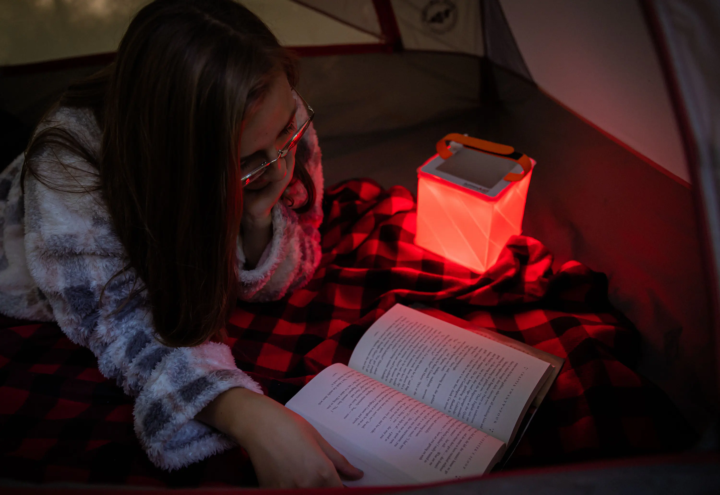
🛌💤Fix Sleep After Daylight savings...
Crafting the Perfect Night's Sleep: 💤 - Maintain consistency: Stick to a fixed bedtime and wake time (e.g., 10 p.m.–6 a.m.), varying by no more than 20-30 min—even on weekends. This anchors your circadian rhythm, improving sleep quality by 20%. 💤 - Optimize your environment: Keep the room cool (65–67°F), completely dark with blackout curtains, and quiet. A drop in core body temp aids deep sleep onset; studies show cooler rooms enhance recovery. 💤 - Wind down effectively: Dim lights 1 hour before bed, avoid screens (blue light suppresses melatonin by 50%), and try reading or journaling. Huberman recommends this to lower cortisol. 💤 - Avoid disruptors: No caffeine after 12-2 p.m. (half-life 6-8 hours), no alcohol (cuts REM 20%), and no food 3 hours before bed to prevent digestion spikes in heart rate. 💤 - Incorporate boosters: Get 10-30 min morning sunlight to set your internal clock. Consider magnesium (200-400 mg threonate/glycinate) 30-60 min before bed for relaxation—backed by sleep studies. 💤 Tracking Your Sleep - Use wearables: Devices like Oura Ring or Whoop track REM/deep stages, HRV (aim 40-100 ms), and RHR (50-70 bpm) with ~95% accuracy vs. lab tests; spot patterns like post-alcohol dips. 💤 - Apps for basics: Free options like Sleep Cycle use phone sensors to monitor movement and stages (~70% accurate); log trends without hardware. 💤 - Keep a simple journal: Note bedtime/wake time, how rested you feel (1-10 scale), and factors like caffeine. Studies show subjective tracking reveals inconsistencies leading to better habits. 💤 - Review weekly: Adjust based on data—e.g., if HRV drops, check stress or room temp. Consistent tracking improves sleep over time, per CDC data.
2 likes • Mar 9
Ahhh the post we needed! 🙏
Mar 6 •
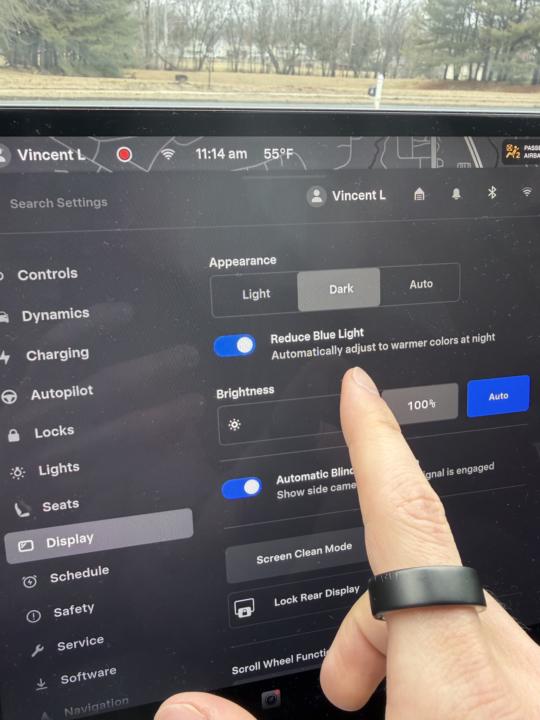
🔵🔵Blue light filter on Tesla!
Hey guys, saw this really cool feature built into my Tesla. We have seen blue light blocking filters on computers, phones, glasses… but now car displays! Blue light will wreck your sleep! Not anymore!!!
1 like • Mar 7
Amazing*
1 like • Mar 7
@Vinnie Lamonica Right!?
Mar 5 •
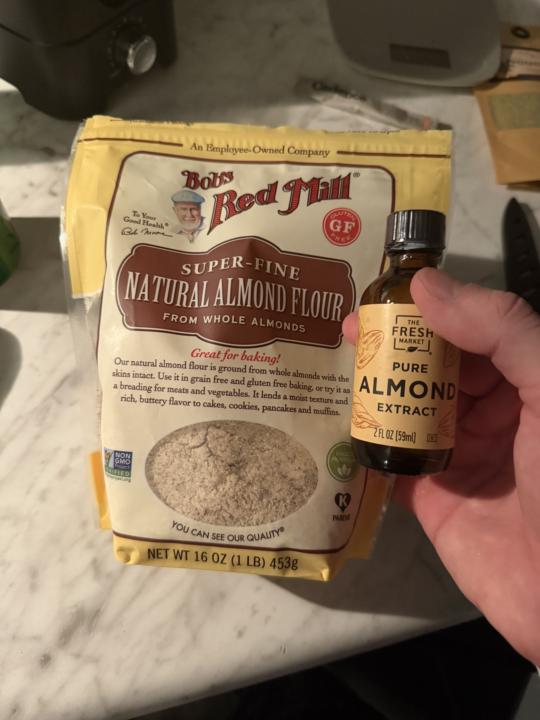
🍪Almond Keto Cookies!🍪
🧑🍳Want a cookie that won’t spike your glucose? It’s got a subtle nutty/almond flavor and is really satiating. Only needs to bake for 9 mins and the ingredients are minimal! 🧑🍳Ingredients: - 2 cups of Almond flour - 1 tsp almond extract - 2 eggs - 1/4 cup of butter - 2 tablespoons of 0 calorie sweetener - 1 tsp sea salt 🧑🍳I cut this in half as I only wanted a few cookies to try out. 🧑🍳Directions: - mix dry ingredients together - Mix in butter - Mix in egg - Mix in extract - Bake on 350 for 7-9 minutes. - Sprinkle a little sea salt on at the end I baked for 9 mins and some bigger cookies were still moist but smaller were a bit dry. Next time I will definitely try 7 or 8 minutes. These were super yummy and kept me in ketosis!! Try them out and let me know what you think :)
1 like • Mar 6
Loving these hacks😋
1-10 of 25

@mick-lolekonda-9079
🏆 I run the SoulWork community, where I guide you on how to make aligned decisions, improve your focus, and have clear direction, using meditation.
Active 1h ago
Joined Feb 7, 2026