Activity
Mon
Wed
Fri
Sun
Jul
Aug
Sep
Oct
Nov
Dec
Jan
Feb
Mar
Apr
May
What is this?
Less
More
Memberships
The Wealth-Driven PM
68 members • Free
The Screenwriters Lounge
73 members • Free
The Spanish Language Hub
571 members • $9/month
Living Soil Community
1.3k members • Free
The Writer's Forge
601 members • $7/month
94 contributions to The Writer's Forge
Mar 27 •
New Website I'm building... see if this works for you guys
Very rough. Just mapping this out. The Writer's Forge, Great Character Challenge

0 likes • Mar 27
Love it... Great Job
Mar 17 •
🚨 ScriptReader Beta is live. First 50 in. Go.
Apple just approved it. This is the moment. Here's what ScriptReader does: it performs your screenplay aloud to you. Your characters. Your dialogue. Your scenes. With distinct voices for every role. You stop reading your script and start hearing it — which means you catch what your eye skips right over. I built this for you. For us. And right now, the beta is open. First 50 people get to try it free. That's it. No waitlist after that. Here's all you do: Step 1 — Download TestFlight. It's Apple's free beta testing app (iOS only — Android coming later.). Takes 30 seconds. → https://apps.apple.com/us/app/testflight/id899247664 Step 2 — Once TestFlight is on your phone, tap this link to join the beta: → https://testflight.apple.com/join/BVXKtFRD You get 30 minutes free. Use every second. Then come back and tell me everything — good, bad, whatever you actually think. That's the deal if you're one of the 50 who downloads. That feedback shapes what this becomes. Also, these 3 questions are hugely important: 1. Did it work? Could you get your script in and hear it play back without hitting a wall? Yes or no — and if no, where did it break? 2. What surprised you? Good or bad. What did you learn about your script? 3. Would you pay for this? Based on what this cost me, I cannot give this away for free. So if yes, what's a fair monthly price? The link is live. The clock is running. Don't download unless you're committed to giving feedback. If you are, comment: 🔥 below. And let's get to work! Go. 🎬 Edit: there are def some spacing issues with how it differentiates between characters and action. They sometimes run together. This is something I’m addressing in the next build. This build is more about… does it work at all. And don’t forget to try the Forge Analysis and see how that reads.

2 likes • Mar 18
I have an android 😞😔 lolz
Feb 22 •
New Member Monday - Bring your pages or just yourself, Feb 23, 10 a.m. Pacific Time
If you're new and haven't been on any of our coaching calls yet, this is your chance to experience a level of feedback you can't get elsewhere. If you have pages you want feedback/coaching on, drop them below! Or just bring a cup of coffee and meet your fellow writers, and get to know the good folks here at the Forge. Welcome and see you Monday at 10 a.m. Pacific Time.

0 likes • Feb 23
[attachment]
0 likes • Feb 23
I won't be talking much because I just got an extraction yesterday but can't wait to finally be able to join again... definitely missed these sessions
Feb 14 •
New Action Movie Script
Morning Fellow Writers ✍️ I know I've been away for a while. This move kept me busy and my new job has different hours. However being a teacher is rewarding. I woke up this morning with a movie idea in mind and I got up and started writing . However I'd like to collab with someone if anyone is interested in doing a script together. Again I just got up and started writing so everything isn't fully formed or anything as yet but here's what I started writing. If interested lmk and we can meet and get it going 🙂 HAPPY WRITING YA'LL
1 like • Feb 15
@David Shorb Thank you very much 🙂
Feb 14 •
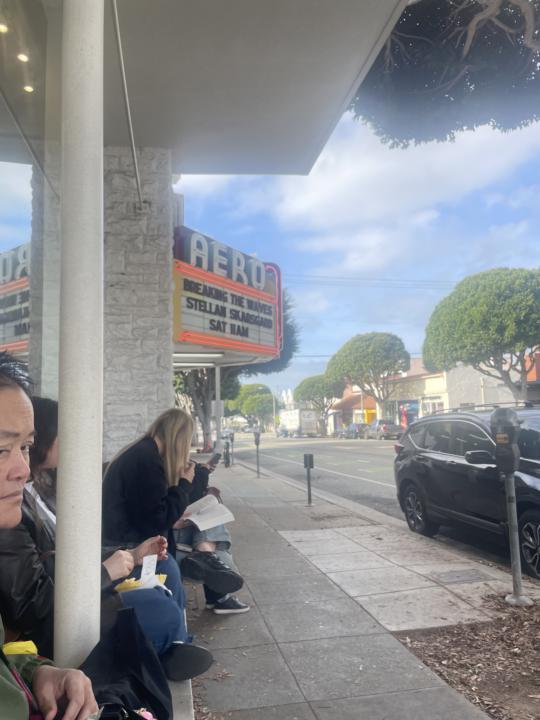
Aero Theater 🎭 right now!
hey guys, I’m actually sitting in line at the Aero theater in Santa Monica with all the super fans (these are YOUR future fans btw). I’m literally here almost 2 hours early. I got my tickets 🎟️- PM me if you want me to save you a seat! The first movie is breaking the waves and then at 2 o’clock, it’s gonna be LA story and if I can pull it off, I might see Casablanca but it’s already sold out so I don’t know if I’m gonna stand by for that. Gonna read @Valeria Salas new script! yes, it’s Valentine’s ❤️❤️❤️ Day but I’m an old single bachelor so here I am!!!!
1 like • Feb 14
Love itttt...Happy Valentine's Day 💌
1 like • Feb 15
@David Hinnebusch thank you ☺️...hope you enjoyed your day
1-10 of 94
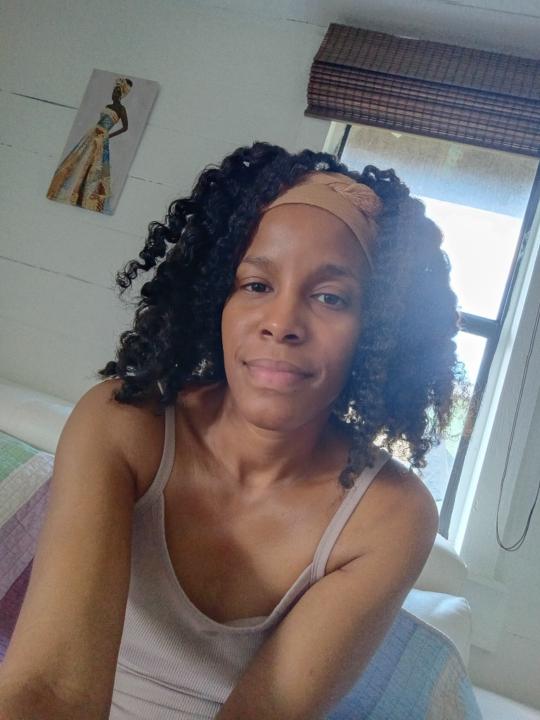
@valeria-salas-6426
Single mom of two who has a passion for writing...Writer ✍🏾
Active 5d ago
Joined Oct 25, 2025
Fort Pierce FL
Powered by