Activity
Mon
Wed
Fri
Sun
Feb
Mar
Apr
May
Jun
Jul
Aug
Sep
Oct
Nov
Dec
Jan
What is this?
Less
More
Memberships
HolisticAmerican-HealthAcademy
3.3k members • Free
Patrick's Wellness Collective
63 members • Free
Light Skool
882 members • Free
The Keto Clan
86 members • Free
Crochet Creations
655 members • Free
Day by Day Wellness Club
61.1k members • Free
Mohr Natural
402 members • Free
Holistic Product Tester Group
29.4k members • Free
84 contributions to Holistic Product Tester Group

13d •
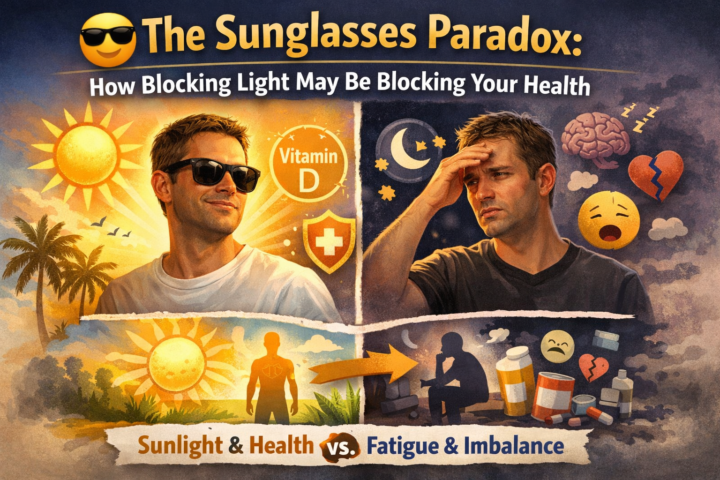
The Holistic American Blog: 😎 The Sunglasses Paradox: How Blocking Light May Be Blocking Your Health
Hey Holistic Americans! ✨ We've been told for decades that sunglasses are essential for eye health and protection. But what if constantly shielding your eyes from natural sunlight is disrupting critical biological processes? From vitamin D production to circadian rhythm regulation, your eyes play a surprising role in whole-body health—and those designer shades might be doing more harm than good. Let's explore the hidden consequences of excessive sunglasses use and when your eyes actually need natural light exposure. How Your Eyes Communicate with Your Body Your eyes aren't just for seeing—they're sophisticated light sensors that regulate your entire physiology. When natural sunlight enters your eyes, it triggers a cascade of biological responses: What happens when light hits your eyes: • Signals your brain to suppress melatonin (wake up hormone) • Triggers cortisol release for energy and alertness • Regulates your circadian rhythm for the entire day • Influences vitamin D production throughout your body • Affects serotonin levels (mood and well-being) • Controls pupil response and eye muscle function Blocking this natural light signal with sunglasses disrupts these essential processes. The Vitamin D Connection Here's what most people don't know: vitamin D production isn't just about skin exposure—your eyes play a crucial role too. How it works: When UVB light enters your eyes (not just your skin), it signals your hypothalamus and pituitary gland to optimize vitamin D metabolism throughout your body. This eye-brain-hormone connection is essential for: • Proper calcium absorption and bone health • Immune system regulation • Mood and mental health • Hormone balance • Inflammation control The sunglasses problem: Wearing sunglasses blocks this critical light signal, potentially reducing your body's ability to produce and utilize vitamin D effectively—even if your skin is getting sun exposure. Circadian Rhythm Disruption Your eyes are the primary way your body knows what time of day it is. Morning sunlight exposure (without sunglasses) is crucial for setting your internal clock.

16 likes • 12d
There is a second step to this that I only learned last Summer. Sun exposure to the eyes needs to be without glasses or contacts. I started getting morning and/or evening sun to my naked eye last Summer and felt many health benefits!
7 likes • 11d
@Amanda Hastings I live in PA and winters can be overcast. I was thankful for a little sunshine this morning!
12d •
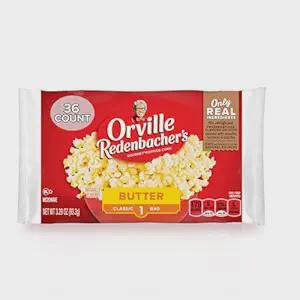
The Toxic Truth: What's Really in Your Microwave Popcorn (Orville/Act II)?
The Hidden Risks of Microwave Popcorn: What Orville and Act II Aren’t Telling You The buttery convenience you love may be quietly harming your health Millions of households rely on microwave popcorn for a quick snack, trusting the "artificial butter flavor" and easy prep instructions. These products dominate snack aisles with bright packaging, bold flavor promises, and the nostalgic appeal of movie nights. People feel indulgent yet safe, believing that a quick bag in the microwave is harmless. But behind the buttery aroma and "ready in minutes" claims lies a disturbing truth: many microwave popcorn brands contain chemicals linked to lung irritation, hormone disruption, and potential long-term toxicity. You may be enjoying convenience while exposing yourself and your family to hidden risks. 𝗧𝗵𝗲 𝗠𝗮𝗿𝗸𝗲𝘁𝗶𝗻𝗴 𝗦𝗵𝗲𝗹𝗹𝗲𝗿: 𝗛𝗼𝘄 𝗠𝗶𝗰𝗿𝗼𝘄𝗮𝘃𝗲 𝗣𝗼𝗽𝗰𝗼𝗿𝗻 𝗦𝗲𝗲𝗺𝘀 𝗕𝗲𝗻𝗶𝗴𝗻 Brands like Orville Redenbacher and Act II use appealing marketing to mask the chemical content: • 𝗕𝘂𝘁𝘁𝗲𝗿 𝗳𝗹𝗮𝘃𝗼𝗿 𝗶𝗺𝗽𝗹𝗶𝗲𝘀 natural goodness, while often containing diacetyl and other artificial flavorings linked to respiratory disease • 𝗤𝘂𝗶𝗰𝗸‑𝗮𝗻𝗱‑𝗲𝗮𝘀𝘆 convenience normalizes regular consumption without prompting thought about ingredients • 𝗙𝗮𝗺𝗶𝗹𝘆‑𝗳𝗿𝗶𝗲𝗻𝗱𝗹𝘆 branding encourages daily use, especially with kids, masking exposure to additive chemicals • 𝗟𝗼𝗰𝗸‑𝗶𝗻 𝗳𝗹𝗮𝘃𝗼𝗿 𝗿𝗲𝘁𝗮𝗶𝗻𝘀 shelf life at the cost of preservatives and solvent residues • 𝗡𝗼𝗻‑𝗴𝗹𝘂𝘁𝗲𝗻/𝗹𝗼𝘄‑𝗳𝗮𝘁 labels may create a false sense of healthiness, distracting from chemical and flavoring concerns 𝗧𝗵𝗲 𝗖𝗵𝗲𝗺𝗶𝗰𝗮𝗹 𝗥𝗲𝗮𝗹𝗶𝘁𝘆 𝗕𝗲𝗵𝗶𝗻𝗱 𝗬𝗼𝘂𝗿 𝗛𝗮𝗽𝗽𝘆 𝗦𝗻𝗮𝗰𝗸 Despite the innocent appearance, many microwave popcorn products contain concerning ingredients: • 𝗗𝗶𝗮𝗰𝗲𝘁𝘆𝗹 – Artificial butter flavoring linked to "popcorn lung" (bronchiolitis obliterans) when inhaled in high concentrations, especially during repeated exposure in small kitchens • 𝗣𝗿𝗲𝘀𝗲𝗿𝘃𝗮𝘁𝗶𝘃𝗲𝘀 – TBHQ and other synthetic preservatives stabilize oils but may affect liver function and have potential carcinogenicity with chronic exposure
16 likes • 11d
Nothing better than stove popped with olive oil and salt! My husband is pro 😄
27d •
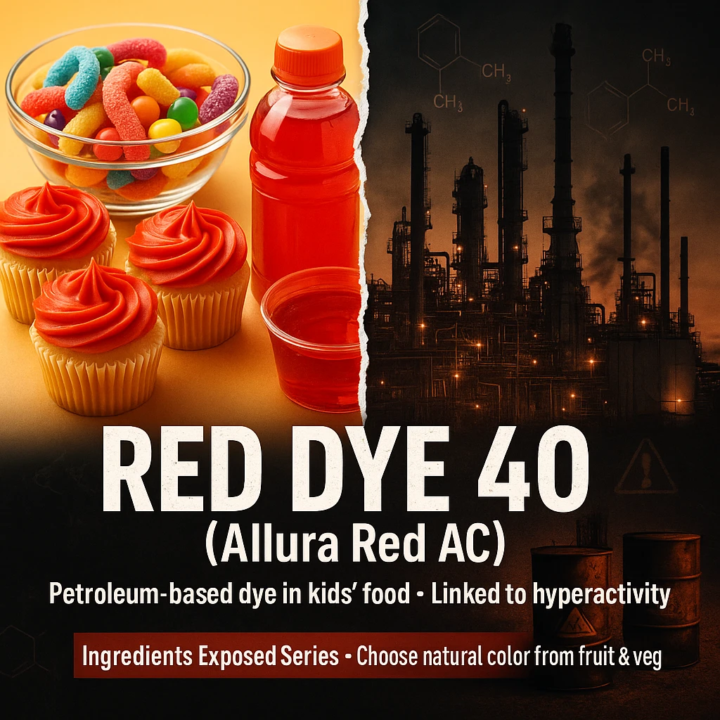
Ingredients Exposed Series: Red Dye 40 (Allura Red AC)
Ingredients Exposed Series: Red Dye 40 (Allura Red AC) The petroleum-based dye hiding in kids’ foods What sounds like a harmless color in mac-and-cheese and fruit snacks is actually a synthetic azo dye made from petroleum aromatics. “Red Dye 40” (Allura Red AC, E129) is linked to hyperactivity, allergic reactions, migraines, and emerging concerns around gut barrier disruption. 𝗪𝗵𝗲𝗿𝗲 𝗬𝗼𝘂’𝗹𝗹 𝗙𝗶𝗻𝗱 𝗧𝗵𝗶𝘀 𝗗𝘆𝗲 Red Dye 40 (listed as Red 40, FD&C Red No. 40, Allura Red AC, or E129) is lurking in: * Candy, gummies, fruit snacks, gelatin desserts * Breakfast cereals, cake mixes, frostings * Sports/energy drinks, sodas, flavored waters * Yogurts, popsicles, ice creams * Chips and snack foods * Children’s medicines, vitamins, cough syrups * Toothpaste, mouthwash, lip balms/glosses 𝗪𝗵𝗮𝘁 “𝗥𝗲𝗱 𝗗𝘆𝗲 𝟰𝟬” 𝗔𝗰𝘁𝘂𝗮𝗹𝗹𝘆 𝗜𝘀 A synthetic azo dye derived from petroleum. Manufactured via: * Sulfonation and azo-coupling chemistry of petroleum aromatics * Purification to “food grade” (can still carry trace aromatic amines) Also used in: * Cosmetics, pharmaceuticals, inks, textiles 𝗛𝗼𝘄 𝗜𝘁 𝗗𝗮𝗺𝗮𝗴𝗲𝘀 𝗬𝗼𝘂𝗿 𝗕𝗼𝗱𝘆 𝗛𝘆𝗽𝗲𝗿𝗮𝗰𝘁𝗶𝘃𝗶𝘁𝘆 & 𝗕𝗲𝗵𝗮𝘃𝗶𝗼𝗿: Associated with increased hyperactivity and attention issues in some children; sensitivity varies. 𝗔𝗹𝗹𝗲𝗿𝗴𝗶𝗲𝘀 & 𝗔𝘀𝘁𝗵𝗺𝗮: Can trigger hives, rashes, rhinitis, and asthma exacerbations (notably in aspirin‑sensitive individuals). 𝗠𝗶𝗴𝗿𝗮𝗶𝗻𝗲𝘀 & 𝗦𝗸𝗶𝗻: Headaches and skin flares reported in sensitive people. 𝗚𝘂𝘁 𝗕𝗮𝗿𝗿𝗶𝗲𝗿 & 𝗠𝗶𝗰𝗿𝗼𝗯𝗶𝗼𝗺𝗲: Preclinical studies link Allura Red to gut barrier disruption, inflammatory signaling, and dysbiosis. 𝗖𝗼𝗻𝘁𝗮𝗺𝗶𝗻𝗮𝗻𝘁𝘀: Potential trace aromatic amines from manufacturing raise added safety concerns. 𝗧𝗵𝗲 𝗥𝗲𝗴𝘂𝗹𝗮𝘁𝗼𝗿𝘆 𝗕𝗲𝘁𝗿𝗮𝘆𝗮𝗹 The EU requires a label warning on foods with certain synthetic colors (including Allura Red): “may have an adverse effect on activity and attention in children.” The UK pushed widespread voluntary removal from kids’ products. Meanwhile, the FDA permits Red 40 with standard labeling—no behavioral warning—despite evidence that a subset of children is affected. The deception: bright, “fun” colors over transparent risk communication. The betrayal: a regulatory gap that leaves parents guessing.
13 likes • 27d
I was substituting at the high school level at a private school. As the upperclassmen were coming in for algebra, they all stopped behind the teachers desk and got packets of gummies. I’m like, let me look at the ingredients. All the dyes. I mentioned that they aren’t good for you and all the kids were like, eh, we don’t care. We’re fine. It’s astonishing how many people don’t know and don’t care about these dangers. Keep spreading the word!
13 likes • 27d
@Katie Wilks , Brands like Yum Earth and MadeGood have lots of substitute treats that kids love without the junk!

Dec '25 •
Grounding mattress pad
I’m considering purchasing a grounding mattress pad & would like to know if anyone has actually used one & what you experienced. What is the best one that won’t break the bank, or are they a waste of $$?
5 likes • Dec '25
I had a grounding mattress pad and didn’t notice anything. My parents just bought grounding sheets and aren’t seeing any benefits. The concept makes sense and there are many claims about the benefits, but I can’t say they are worth it.
Dec '25 •
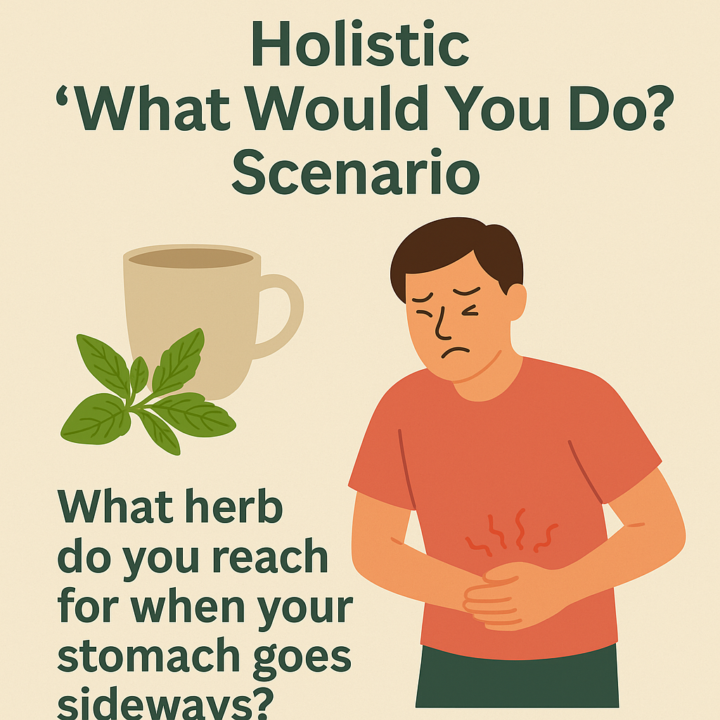
🌿 Holistic “What Would You Do?” Scenario
Alright holistic fam… we’ve all been there. You eat something that seemed like a good idea at the time…and 20 minutes later your stomach says, “Absolutely not.” Now you’re dealing with cramps, bloating, or that awful wave of nausea. So here’s the question of the day: 👉 What herb do YOU reach for when your stomach goes sideways, and why? Do you chew a fresh leaf? Make a quick tea? Use a tincture? Everyone has their own digestive rescue trick, so let’s share them! Drop your remedy below! Your answer might help someone tonight. 🌿👇
10 likes • Dec '25
I was having a lot of issues with nausea and this works well and quickly. It’s easy to keep in my purse also!
1-10 of 84

@sarah-hoglund-7355
Wife, Stay at home Mom, Christian, Owner: Power Pack Organics, Retired X-Ray Tech, Crocheter
Active 3h ago
Joined Jun 11, 2025
Powered by