Activity
Mon
Wed
Fri
Sun
Nov
Dec
Jan
Feb
Mar
Apr
May
Jun
Jul
Aug
Sep
Oct
What is this?
Less
More
Synthesizer
47k
Free
Stock Options Strike Zone
20
Free
71 contributions to Future Producer Society
Dec '25 •
⭐ Introduce Yourself: Drop Your Intro Below 👇
Welcome to the Future Producer Society — you made it in. This community is built for producers and independent artists who want to level up in today’s industry, especially with the rise of AI, new creative tools, and modern music workflows. Let’s kick things off the right way. Drop your intro below and share: 1. Who you are (name or alias) 2. What you make (genre, style, or tools you use) 3. What you’re working toward (placements, AI workflows, consistency, sync, etc.) 4. What you want to learn here No pressure — short or long is fine.The whole point is to connect with creators who are serious about growing. Welcome in — take a second and say what’s up. 👇 Drop your intro in the comments.
0 likes • 18d
@Wizzy Okeke Let me know if you have any questions - Welcome!
0 likes • 11d
@J Dooly Welcome
Sep 2 •
You Should Consider Becoming a SondSurge Curator
A lot of you have already checked out SondSurge from the artist side, but I want you to take a look at the curator side too. Some of you have been making music for years. You know production. You know songwriting. You know when a record works and when it doesn't. And if you're already spending time listening to music and giving people your opinion, you might as well look at an opportunity to actually build something around that. SondSurge allows curators to listen to submissions, build their presence as a tastemaker and earn from their curator activity once they connect Stripe for payouts. That's the part I think makes this worth paying attention to. You don't have to be an A&R at a major label to have good ears. Some of the best music people I know are producers, engineers, DJs and artists who can hear something special before everyone else catches up. A lot of you in this community already have that skill. You might as well monetize it. So if you're looking for another potential revenue stream around music, I'd encourage you to sign up as a curator and start building your profile early while SondSurge is still growing. Think you know what's next? Prove it. Become a curator: https://sondsurge.com/BecomeCurator
3
0

Aug 31 •
From a Beat Review to a Collaboration
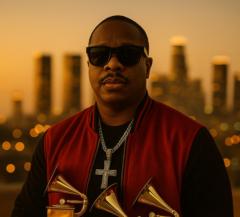
Just wanted to share something that came directly from this community. I was watching one of Arkatech Beatz live beat reviews when OD tha Streetguard came on. I heard him rap and immediately thought, “Yeah, this dude can RAP.” So I reached out. We connected, I sent him three beats, and he ended up recording to the first one. When he sent it back, I was blown away by what he did with it. He recently put the finished record/video up on YouTube, so I wanted to share it here with everybody. This is actually one of the things I appreciate about this community. Sometimes you never know what can come from simply showing up, listening, connecting with somebody, and saying, “Yo, let's work.” @Collin Jugrnaut D live stream introduced me to an artist I probably wouldn't have crossed paths with otherwise, and now we've got a record together. Would love to hear what you guys think about the collaboration. OD the Street God x BigRiz https://youtu.be/8UNVWDZ1FiE?si=kFnpH91YfT5k5xlt
1 like • Sep 1
MAN! YOU GOT ONE! 🔥🔥🔥🔥 This is what its all about, connecting these things together and getting these types of results!
0 likes • Sep 1
@Chocolate Boyswagger Shouldn't send stems until the business is handled.
1-10 of 71
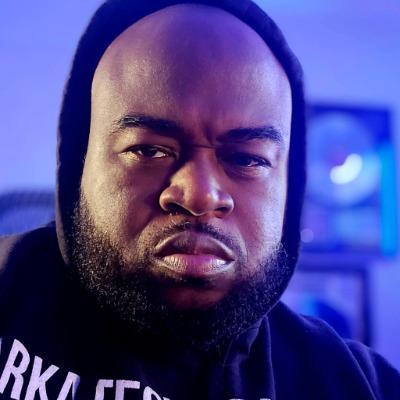
@arkatech-beatz-7757
Multi-platinum producers Arkatech Beatz (Pun, Nas, Jadakiss, Prodigy, Gibbs, Killer Mike) teaching creators to win in today’s music industry.
Active 2h ago
Joined Aug 23, 2025
Atlanta, GA
Powered by