
Mar 31 • General discussion
The Hidden Dangers of Antacids & Proton Pump Inhibitors (PPIs)
Used for GERD, reflux, and ulcers — but at what cost?
Medications like Omeprazole, Pantoprazole, and Esomeprazole are among the most commonly prescribed drugs in America today. They are routinely given for acid reflux, heartburn, GERD, and stomach ulcers — conditions that affect millions daily.
But beneath their widespread use lies a deeper concern.
Why These Drugs Are So Common
Digestive complaints are one of the top reasons people visit doctors. Burning in the chest, bloating, regurgitation, and discomfort are quickly labeled as “too much stomach acid.”
The solution?Suppress the acid.
But here’s the critical question…
👉 What if the problem isn’t too much acid — but too little?
What PPIs Actually Do
Proton Pump Inhibitors (PPIs) work by shutting down the proton pumps in the stomach lining, dramatically reducing hydrochloric acid (HCl) production.
This provides temporary symptom relief — but it comes at a biological cost.
Because stomach acid is not the enemy.
It is essential for life.
The Critical Role of Stomach Acid
Hydrochloric acid is required to:
- Break down proteins into usable amino acids
- Activate digestive enzymes
- Absorb key nutrients (B12, magnesium, calcium, iron)
- Kill harmful bacteria and pathogens
- Signal downstream digestive processes (pancreas, gallbladder, intestines)
When you suppress acid…You disrupt the entire digestive cascade.
The Dangers of Long-Term PPI Use
1. Nutrient Deficiencies
Chronic acid suppression leads to poor absorption of:
- Vitamin B12 → fatigue, nerve damage
- Magnesium → muscle cramps, arrhythmias
- Calcium → increased fracture risk
- Iron → anemia
👉 Over time, this creates systemic weakness — not healing.
2. Increased Infection Risk
Low stomach acid allows pathogens to survive.
This increases risk of:
- Clostridium difficile (C. diff) infections
- Small intestinal bacterial overgrowth (SIBO)
- Foodborne illnesses
Your first line of immune defense is being shut down.
3. Gut Dysbiosis & Leaky Gut
Without proper acid levels:
- Food is improperly digested
- Fermentation increases → gas, bloating
- Harmful bacteria overgrow
This leads to:
👉 Chronic inflammation👉 Immune dysfunction👉 Increased food sensitivities
4. Bone Fractures & Osteoporosis
Long-term PPI use is associated with:
- Reduced calcium absorption
- Increased hip, spine, and wrist fractures
The body is literally being de-mineralized.
5. Kidney Disease & Cognitive Decline
Emerging research links prolonged PPI use with:
- Chronic kidney disease
- Increased risk of dementia
While mechanisms are still being studied, the association is concerning.
6. Rebound Acid Hypersecretion
Perhaps the most overlooked danger:
When you stop PPIs, the stomach often produces even MORE acid than before.
This creates a cycle:
Symptoms → drug → temporary relief → worse symptoms → higher dose
This is the beginning of a polypharmacy cascade.
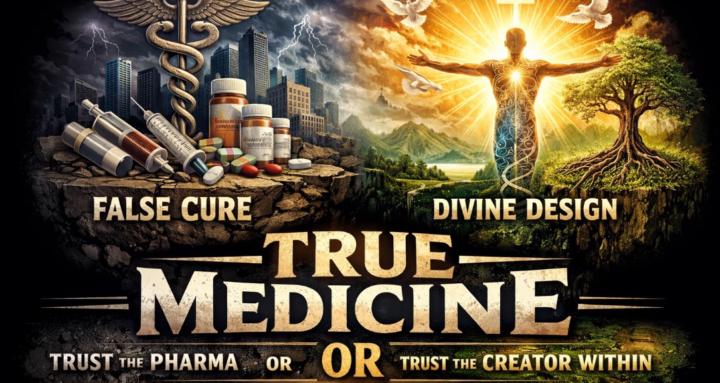
The True Medicine Perspective
This is Fallacy #5: Suppressing Symptoms Instead of Understanding Them
Common root contributors include:
- Low stomach acid (hypochlorhydria)
- Poor vagus nerve tone
- Chronic stress
- Overeating or improper food combining
- Weak lower esophageal sphincter (LES) function
- Gut dysbiosis
👉 The burn you feel is not always from excess acid…It is often from misplaced acid.
A Better Question to Ask
Instead of asking:
❌ “How do we stop the acid?”
Ask:
✅ “Why is the acid escaping where it doesn’t belong?”✅ “Why is digestion failing upstream?”
Natural Supportive Approaches (Addressing the Terrain)
Rather than shutting down a vital function, consider supporting the body:
- Improve meal hygiene (slow eating, proper chewing)
- Support stomach acid production (when appropriate)
- Reduce inflammatory foods
- Strengthen vagal tone (breathwork, parasympathetic activation)
- Restore microbiome balance
- Address stress and emotional triggers
The Bigger Picture: The Polypharmacy Cascade
When digestion fails:
➡️ Nutrient deficiencies develop➡️ Fatigue, bone loss, and neurological symptoms appear➡️ More drugs are prescribed
And the cycle deepens.
Final Thought
Antacids and PPIs may silence the symptom…But they often amplify the dysfunction.
You were designed to heal — trust the blueprint.
Ready to Go Deeper?
If you or your clients are on acid-suppressing medications and want to understand the true downstream effects and interactions, I offer a Polypharmacy Cascade Analysis that maps exactly how medications are impacting the body — and what your next steps can be.
0
0 comments
The Hidden Dangers of Antacids & Proton Pump Inhibitors (PPIs)
powered by
skool.com/true-medicine-3260
Revelation of Innate intelligence or the human body -contradicting big pharma and modern medicines hypothesis that we need their "magic" to heal.
Suggested communities
Powered by