
9d • General discussion
Fallacy #9: The Fallacy of Ignoring Terrain and Environment
Why Disease Is About the Soil, Not the Seed
Modern medicine has been trained to hunt enemies.
A virus.A bacterium.A pathogen to eradicate.
This pathogen-centric worldview assumes that disease is caused primarily by an invading organism—and that eliminating the organism equals healing.
But this framing ignores a deeper biological truth:
Pathogens do not create disease in isolation. They exploit a compromised terrain.
Health and disease are not dictated by the presence of microbes alone, but by the internal biological environment—the terrain—in which those microbes exist.
The Forgotten Debate: Pasteur vs. Béchamp
The roots of this fallacy stretch back to the 19th century scientific debate between Louis Pasteur and Antoine Béchamp.
- Pasteur’s view: Microbes cause disease.
- Béchamp’s view: Disease arises when the internal terrain becomes imbalanced; microbes merely respond.
At the end of his life, Pasteur is famously reported to have said:
“The microbe is nothing. The terrain is everything.”
Modern biology increasingly confirms Béchamp’s position.
What Is “Terrain” in Biological Terms?
The terrain refers to the total internal environment of the body, including:
- Nutrient availability
- Cellular energy (ATP production)
- Redox balance
- Hormonal and stress signaling
- Microbiome diversity
- Detoxification capacity
- Immune resilience
- Emotional and psycho-spiritual state
Disease emerges when this environment becomes depleted, toxic, inflamed, or dysregulated.
Scientific Pillars That Disprove the Pathogen-Only Model
1. Nutritional Status Determines Immune Competence
Micronutrient deficiencies profoundly impair immune defense and repair.
- Zinc deficiency increases susceptibility to viral replication
- Vitamin D deficiency correlates with increased respiratory infection severity
- Selenium deficiency increases viral mutation and virulence
Key insight: The same pathogen produces radically different outcomes depending on nutritional terrain.
A nourished body resists disease.A depleted body invites it.
2. Toxic Load Creates Disease-Permissive Environments
Environmental toxins—including pesticides, heavy metals, plastics, and pharmaceuticals—disrupt:
- Mitochondrial function
- Hormonal signaling
- Immune surveillance
- Gut barrier integrity
Chronic toxic exposure weakens terrain, creating inflammation, oxidative stress, and immune confusion—ideal conditions for opportunistic pathogens.
Toxins do not need to “cause” disease directly. They lower the threshold at which disease can occur.
3. Stress Physiology Suppresses Immunity
Chronic stress alters terrain through sustained activation of the HPA axis:
- Elevated cortisol suppresses immune response
- Sympathetic dominance impairs digestion and detoxification
- Inflammatory cytokines increase
Stress does not introduce pathogens—but it opens the door.
Multiple studies show that psychological stress predicts:
- Increased infection rates
- Slower wound healing
- Reactivation of latent viruses
4. The Microbiome Governs Disease Resistance
The human body contains more microbial cells than human cells.
A diverse, resilient microbiome:
- Trains immune tolerance
- Prevents pathogen overgrowth
- Produces anti-inflammatory metabolites
Antibiotics and poor diet damage microbial ecology, leading to:
- Opportunistic infections
- Autoimmune conditions
- Chronic inflammatory disease
Pathogens flourish only when microbial balance collapses.
5. Emotional and Spiritual States Alter Physiology
Psychoneuroimmunology demonstrates that emotional states directly affect immune signaling.
- Depression increases inflammatory markers
- Chronic fear impairs immune response
- Social isolation predicts increased mortality
Conversely:
- Hope, purpose, and spiritual meaning improve immune resilience
- Gratitude and prayer correlate with reduced inflammatory markers
The body does not separate biology from belief.The nervous system translates meaning into chemistry.
Why Pathogens Are Opportunists, Not Primary Causes
Pathogens exist everywhere—inside and outside the body.
Yet:
- Not everyone exposed becomes ill
- Not everyone develops severe disease
- Not everyone experiences chronic pathology
This variability cannot be explained by exposure alone.
It is explained by terrain.
Pathogens are the spark. Terrain is the fuel.
The Clinical Consequence of This Fallacy
When medicine ignores terrain, it produces:
- Endless antimicrobial cycles
- Recurrent infections
- Chronic illness without resolution
- Symptom suppression without regeneration
Killing the microbe while ignoring the environment guarantees recurrence.
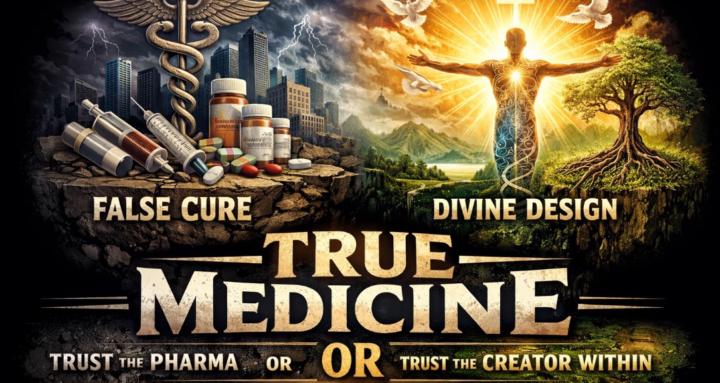
The True Medicine Perspective
Healing requires restoring the conditions that make health inevitable:
- Replenish nutrients
- Reduce toxic burden
- Restore nervous system regulation
- Rebuild microbiome diversity
- Support emotional and spiritual coherence
When terrain is restored, pathogens lose relevance.
Conclusion
The greatest misconception in modern medicine is not that pathogens exist—but that they are the primary cause of disease.
Disease is not an invasion problem. It is an environmental failure.
Pathogens thrive in broken terrain.Restore the terrain—and the body remembers how to heal.
Remember: You are built to heal. Trust the Blueprint.
0
0 comments
Fallacy #9: The Fallacy of Ignoring Terrain and Environment
powered by
skool.com/true-medicine-3260
Revelation of Innate intelligence or the human body -contradicting big pharma and modern medicines hypothesis that we need their "magic" to heal.
Suggested communities
Powered by