
May 9 • General discussion
Antibiotics: The Double-Edged Sword of Modern Medicine
Antibiotics are among the most commonly prescribed medications in the United States—and for good reason. They have saved countless lives by effectively treating bacterial infections that were once fatal. But beneath their life-saving reputation lies a deeper story—one that is often overlooked in conventional care.
What Are Antibiotics?
Antibiotics are medications designed to kill or inhibit the growth of bacteria. Some of the most commonly prescribed include:
- Amoxicillin – Often used for ear infections, sinus infections, and respiratory conditions
- Azithromycin – Commonly prescribed for respiratory infections and sometimes as a “Z-pack”
- Doxycycline – Used for acne, Lyme disease, and various infections
Why Are Antibiotics So Common?
Antibiotics are frequently prescribed in outpatient settings for:
- Upper respiratory infections
- Ear infections
- Skin conditions
- Urinary tract infections
However, many of these conditions are viral, not bacterial—meaning antibiotics offer no real benefit. Despite this, they are often prescribed “just in case,” contributing to widespread overuse.
The Hidden Cost of Antibiotic Use
1. Destruction of the Microbiome
Antibiotics do not discriminate. While they kill harmful bacteria, they also destroy beneficial bacteria in the gut.
This disruption can lead to:
- Digestive issues (bloating, diarrhea, constipation)
- Weakened immune function
- Overgrowth of harmful organisms like Candida
- Long-term imbalance in gut flora
Your gut microbiome is not just about digestion—it is deeply tied to your immune system, brain health, and even mood regulation.
2. Increased Risk of Chronic Disease
Repeated antibiotic use has been associated with:
- Autoimmune conditions
- Allergies and asthma
- Obesity and metabolic dysfunction
- Mental health disorders (via the gut-brain axis)
When the terrain of the body is disrupted, the foundation for health becomes unstable.
3. Antibiotic Resistance
One of the most serious global concerns is antibiotic resistance.
When antibiotics are overused:
- Bacteria adapt and become stronger
- Standard treatments become ineffective
- Infections become harder—and sometimes impossible—to treat
This creates “superbugs” that no longer respond to conventional medications.
4. Nutrient Depletion
Antibiotics can deplete essential nutrients, including:
- Vitamin K (important for blood clotting)
- B vitamins (critical for energy and nervous system function)
- Magnesium (needed for hundreds of cellular processes)
This depletion can leave the body more vulnerable long after the antibiotic course is finished.
5. Long-Term Immune Dysregulation
Your immune system learns through exposure and interaction with microbes. When antibiotics repeatedly interfere:
- The immune system can become overreactive (allergies, inflammation)
- Or under-responsive (frequent infections)
This imbalance can persist for years.
Common Side Effects
Short-term side effects may include:
- Nausea
- Diarrhea
- Skin rashes
- Yeast infections
But the deeper concern is not the immediate discomfort—it’s the long-term disruption of the body’s internal ecosystem.
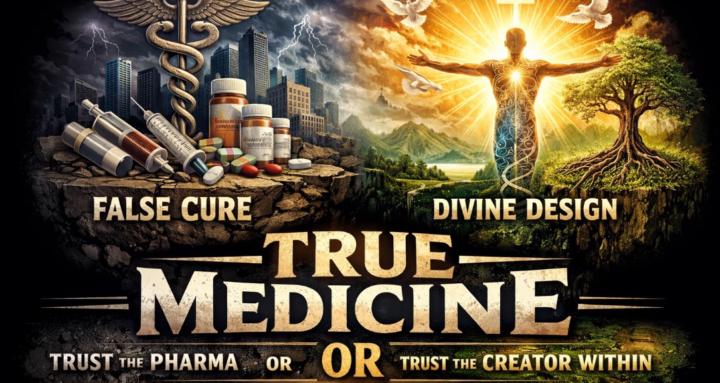
A True Medicine Perspective
Antibiotics have their place. In cases of serious bacterial infection, they can be life-saving. But the question we must ask is:
Are we using them wisely—or reflexively?
From a True Medicine perspective, symptoms are signals—not enemies to silence.
Instead of defaulting to antibiotics, we must consider:
- What weakened the body’s defenses?
- What terrain allowed the infection to take hold?
- How can we strengthen the system rather than suppress the symptom?
Rebuilding After Antibiotics
If antibiotics have been used, restoration is essential:
- Replenish the microbiome (fermented foods, probiotics)
- Restore nutrients (whole foods, targeted supplementation)
- Support detox pathways (hydration, liver support)
- Rebuild immune resilience
Final Thought
Antibiotics are powerful—but power without discernment can come at a cost.
The goal is not to reject modern medicine—but to use it with wisdom, honoring the body’s design and supporting its innate ability to heal.
Because true medicine doesn’t silence symptoms… it restores the system.
Remember: You are built to heal — Trust the Blueprint.
1
1 comment
Antibiotics: The Double-Edged Sword of Modern Medicine
powered by
skool.com/true-medicine-3260
Revelation of Innate intelligence or the human body -contradicting big pharma and modern medicines hypothesis that we need their "magic" to heal.
Suggested communities
Powered by