
Jan 16 • 🚨 Scam Alerts & Red Flags
You’ve Inherited a Million Dollars — Just Send $500 First
I almost fell for this scam and know a family member who did.
It always starts the same way. An unexpected email. A serious tone. A name I barely recognize—but it shares my last name.
According to the message, a long-lost relative has passed away overseas and left me a fortune. A million dollars. Sometimes more. All I have to do is reply quickly, keep it confidential, and help with a small administrative payment—a fee to clear foreign officials, release funds, or “unlock” an account.
I’ve seen the variations.The Nigerian 411 emails.The fake inheritance notices.The prepaid money card requests.The urgent phone numbers that push you to act now or lose everything.
At first glance, it almost sounds official. Legal language. Seals. Names of banks and government offices. But the moment you slow down, the cracks show. Pressure. Secrecy. Requests for upfront money. Sometimes even encouragement to travel overseas “to complete the process.”
What many people don’t realize is that the scam doesn’t always stop at money. In extreme cases, victims who travel have been robbed, kidnapped, or worse—chasing a promise that was never real.
After a few close run-ins, I learned the pattern:If someone you’ve never met suddenly owes you millions—but needs your money first—it’s not a blessing. It’s bait.
Now when those messages land in my inbox, I don’t feel lucky.I feel warned.
And I hope others learn the truth before curiosity, desperation, or hope costs them far more than they can afford.
If you or you know someone who has infortunalely fallen for this scam, forward suspicious emails to [email protected], file a complaint with the FTC (ReportFraud.ftc.gov), the FBI's IC3 (ic3.gov) for internet crimes, and the U.S. Secret Service if you've lost money or received letters, and contact your bank if you sent funds. You should also report it to your state's Attorney General or Consumer Affairs office.
Your friendly neighborhood scambuster.
2
0 comments
You’ve Inherited a Million Dollars — Just Send $500 First
powered by
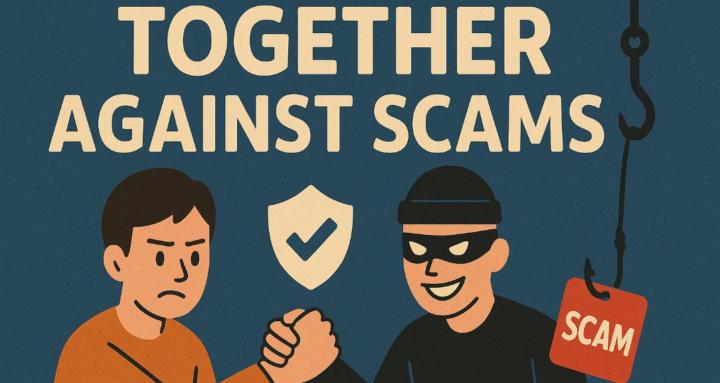
skool.com/together-against-scams-6119
A safe space to share tips, warnings, and support to protect each other from scams. Stay alert. Stay smart. Together against scams.
Suggested communities
Powered by