
Jan 5 • General discussion
2026 Restaurant Trend #1: Experiences (Not Just Meals)
Why This Matters in 2026
Restaurants that survive aren’t just feeding people, they’re hosting them. Margins are tighter. Traffic is unpredictable. Labor is expensive. Experiences create controlled demand, pre-paid revenue, and emotional connection. This isn’t new. I’ve been running versions of this for years and in 2026, it’s no longer optional.
What “Experiences” Actually Means
Not gimmicks. Not influencer nights.
Intentional, repeatable revenue engines.
Examples that work:
- Chef’s Table (limited seats, fixed menu)
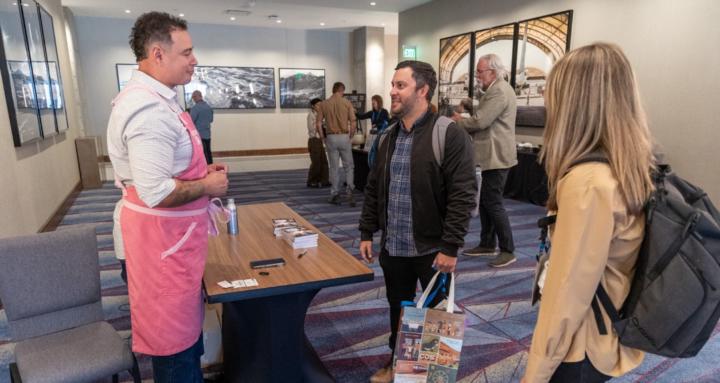
- Hands-on cooking classes
- Beer / wine / spirit tastings
- Team-building events
- Private dining & buyouts
- Producer-led dinners (farmers, brewers, winemakers)
Each one:
- Happens during slow periods
- Is pre-sold
- Has a defined start and end
- Requires less staff than full service
Why Experiences Win (The Business Case)
1. Cash Flow Before Service
Tickets are paid upfront.
You buy food with someone else’s money.
2. Predictable Labor
Fixed guest count = fixed staffing = cleaner execution.
3. Higher Check Averages
Guests expect to pay more for access, story, and proximity.
4. Marketing Built In
People share experiences more than plates.
How I Think About Pricing. Stop pricing like dinner.
Price for:
- Access to you
- Education or storytelling
- Limited availability
- A “can’t do this anytime” feeling
Rule of thumb:
- Classes & tastings: $85–$150
- Chef’s table / curated dinners: $125–$250+
- Team building / private events: $1,500–$5,000+
If it feels slightly uncomfortable to charge… you’re probably close.
How to Implement (Simple Framework)
Step 1: Pick ONE Experience
Don’t launch five. Pick the easiest thing you already know how to do.
Step 2: Attach It to a Slow Day
Monday nights. Sunday afternoons. January. August. Shoulder seasons.
Step 3: Cap the Seats
Scarcity is your friend.
Step 4: Sell the Story, Not the Menu
People buy why, not just what.
Common Mistakes to Avoid
- Overcomplicating the menu
- Underpricing
- Making it too frequent
- Treating it like a normal service
- Waiting until you’re slow to launch it
Pre-Shift Reflection
Ask yourself:
- What do guests ask me about after service?
- What could I teach in 90 minutes without stress?
- What space do I already have that’s underused?
- What slow day hurts the most right now?
That’s your experience.
Bottom Line
In 2026, experiences aren’t extra.
They’re stability, cash flow, and brand building rolled into one.
You don’t need more seats.
You need better reasons to sit in them.
0:14
2
0 comments
2026 Restaurant Trend #1: Experiences (Not Just Meals)
skool.com/therestaurantpreshift
Real talk for the hospitality game. You’ve mastered the craft — now it’s time you learned how to make money. I’m a Top Chef Restaurateur with no fluff
Leaderboard (30-day)
1
+1
Powered by