
Apr 22 • General discussion
The honest truth about making it as a professional footballer
I spent 8 years watching players get evaluated for Manchester United. I saw players who had everything — the technique, the athleticism, the football brain — who never made it. And I saw players who looked ordinary at 14 who went on to have professional careers.
Here's what I actually learned about what separates them.
The window is real — but it's not what you think.
Most families believe the professional pathway closes at 16 or 17. It doesn't. But the evaluation intensifies dramatically between 14 and 18. By the time a player is 16 a professional scout has already formed an opinion about their ceiling. Not a final verdict — but a strong working assessment. And that assessment is based on things that are rarely talked about outside of professional environments.
Here's what we were actually evaluating.
Technical foundation. Not tricks. Not highlights. Whether the basics — receiving, passing, first touch under pressure, striking the ball cleanly with both feet — were automatic. Not thought about. Automatic. By 16 a player at professional level should not be thinking about their first touch. It should just happen.
Tactical understanding. Does this player understand why they're making a decision, not just what decision to make? Can they read the game two moves ahead? Do they understand their position in relation to the ball, their teammates, and the space — simultaneously? This is the thing that most separates the players who make it from the players who don't. And it's the thing most youth coaches spend the least time developing.
Mentality under adversity. How does this player respond when the game goes against them? When they make a mistake? When they're being dominated? I've watched players with elite technical ability crumble under pressure and never recover within a game. I've watched players with average technique who were absolutely relentless — who made things happen through sheer clarity and determination. Mourinho was obsessive about this. It was a non-negotiable in every report I submitted.
Physical profile — but not what you think. Pace and size matter less than people assume at youth level. What matters more is coordination, body control, the ability to change direction efficiently, and the athleticism to sustain intensity for 90 minutes. A player who is technically excellent but physically limited can still have a professional pathway. A player who is fast but technically poor is not going to get signed by a top club regardless of their sprint time.
Character and coachability. Will this player get better? Are they open to instruction? Do they apply feedback immediately? Do they train the same way whether the manager is watching or not? Scouts and coaches talk to each other constantly. The reputation a young player builds in training environments travels further and faster than any highlight reel.
The honest picture.
Less than 1% of youth players become professional footballers. I'm not saying that to crush the dream. I'm saying it because knowing the real number changes how you pursue it.
The families who navigate this best treat the journey intelligently. They invest in the right development at the right time. They get honest assessments rather than comfortable ones. They build the player rather than chase the shortcut.
And they understand that even if the professional contract never comes — the discipline, the resilience, the character built through genuinely pursuing it is worth every bit of the journey.
What age is your player and what level are they at right now? Drop it below — I'll give you my honest read on what the pathway looks like from where they are.
0
3 comments
The honest truth about making it as a professional footballer
skool.com/the-decision-room
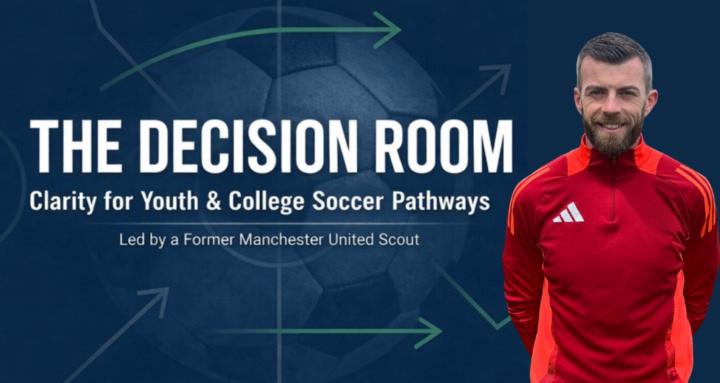
Former Manchester United First Team Scout. Mourinho, Van Gaal & Solskjær. UEFA A Licence & Academy Owner. Honest answers for football families.
Powered by