
Mar 23 • General discussion
WHAT IS J-BOX’S?
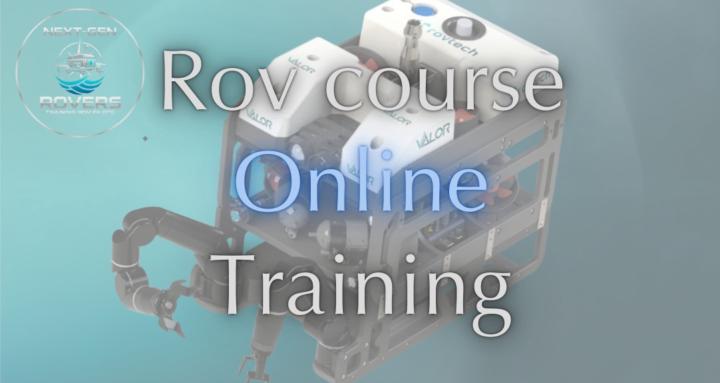
On a work-class ROV, the J-box (junction box) is a critical subsea electrical and communication hub that allows multiple sensors, instruments, and tools to be connected and powered through wet-mateable connectors. It essentially acts as the distribution centre for signals and power, enabling the ROV to perform complex subsea operations efficiently.
So, what is a J-box?
A junction box is a subsea pressure housing mounted on the ROV frame that contains electrical and fiber-optic connections. It also provides a safe, watertight environment for routing power and data between the ROV’s main systems and external payloads. It is typically built with wet-mateable connectors so that tools and sensors can be plugged in or swapped underwater without bringing the ROV back to the surface.
The functions of the J-box are direct and precise, it represents its purpose which include, Power Distribution, Signal Routing, Flexibility and Protection. Also, without a J-box, operators would face significant limitations in connecting and managing multiple subsea tools during Deepwater missions.
0
0 comments
WHAT IS J-BOX’S?
powered by
skool.com/next-gen-rovers-4091
Dive into the future of subsea robotics. You’ll access expert training, industry insights to sharpen your skills and expand your opportunities.
Suggested communities
Powered by