
Jan 14 • Industry updates
Technical Breakdown: Work‑Class ROVs
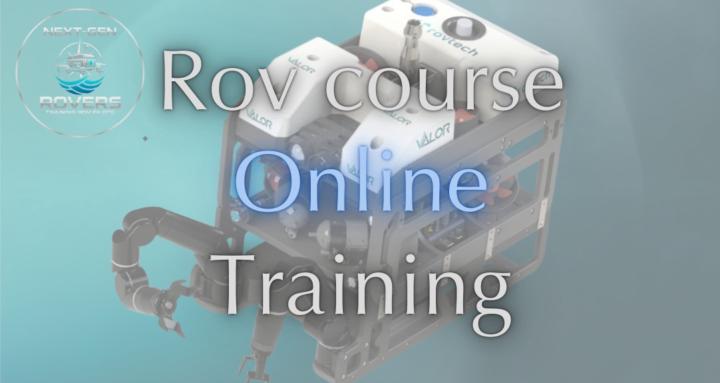
Work‑Class ROVs are the heavyweights of subsea robotics, designed for deepwater construction, inspection, and intervention. Here’s how their systems come together:
••Frame & Buoyancy: Built from high‑strength alloys and syntactic foam to withstand extreme pressure while staying neutrally buoyant.
••Propulsion: 6–8 thrusters powered by hydraulic or electric motors, giving full 3D maneuverability.
••Manipulator Arms: 5‑function and 7‑function arms capable of lifting, cutting, and operating complex subsea tools.
••Hydraulic Systems: Pumps, manifolds, and valves deliver immense power for tooling, with compensators keeping oil pressure above ambient seawater.
••Umbilical & TMS: The lifeline carrying power, video, and data. A Tether Management System (TMS) acts as a subsea garage, protecting the ROV during descent.
••Control Station: Pilots operate via joysticks, video walls, and telemetry systems, blending engineering precision with real‑time problem solving.
👉 In short: A Work‑Class ROV is not just a robot it’s a mobile subsea power station, engineered to perform tasks that divers could never achieve at depth.
1
0 comments
Technical Breakdown: Work‑Class ROVs
powered by
skool.com/next-gen-rovers-4091
Dive into the future of subsea robotics. You’ll access expert training, industry insights to sharpen your skills and expand your opportunities.
Suggested communities
Powered by