
Mar 24 • General discussion
The Evolution of Jam Bands: From Psychedelic Roots to Modern Sound
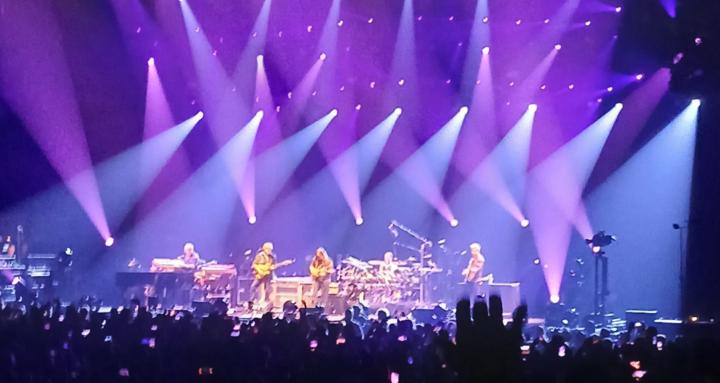
The story of jam bands is not just about music—it’s about evolution, experimentation, and a culture that continues to reinvent itself. From the early days of psychedelic rock to today’s genre-blending performances, the jam band scene has grown into a powerful movement rooted in improvisation and community.
It all begins with the pioneers. Bands like the Grateful Dead laid the foundation for what jam bands would become. Emerging from the 1960s counterculture, they broke away from traditional song structures, embracing extended improvisation and blending multiple genres into their live shows. Their performances were never meant to be replicated—they were meant to be experienced. This approach created not just a band, but an entire traveling culture of fans who followed them from show to show.
🌈 The Next Wave: Expanding the Sound
As the torch passed into the 1990s, bands like Phish took the jam band concept and expanded it even further. While clearly influenced by the Dead, Phish developed their own identity by blending humor, technical skill, and complex compositions with improvisation. Their shows became immersive experiences, where songs could shift directions entirely, creating something new each night.
During this era, the jam band scene began to solidify into a recognizable culture. Festivals, touring communities, and shared experiences became central to the movement. Events like multi-band tours helped bring together artists and fans, forming a unified scene built around live music and collaboration.
🔥 Modern Evolution: Blending Genres
As the scene continued to grow, new bands began pushing the boundaries even further. Groups like the The Disco Biscuits introduced electronic elements into the jam format, creating what some call “jamtronica.” This fusion of live improvisation with electronic beats opened the door for an entirely new sound, attracting a broader audience while still honoring the improvisational roots of the genre.
This evolution shows that jam bands are not confined to one style. Instead, they adapt and absorb influences from across the musical spectrum—rock, jazz, funk, electronic, and beyond—while maintaining the core principle of live, spontaneous creation.
🚐 A Culture That Keeps Growing
What truly sets jam bands apart is their community-driven culture. From the earliest days of Deadheads to modern festival-goers, fans have always been an essential part of the experience. The scene thrives on connection—people traveling together, sharing music, and building relationships through live performances.
Unlike mainstream music, which often focuses on polished perfection, jam bands embrace unpredictability. Each show becomes a shared moment between musicians and audience, something that exists only once and can never be fully recreated.
✨ The Ongoing Journey
The evolution of jam bands is far from over. What started as psychedelic experimentation has transformed into a diverse and ever-expanding musical landscape. Yet, at its core, the mission remains the same:
- Explore
- Improvise
- Connect
- And create something real in the moment
Jam bands continue to evolve because they aren’t tied to trends—they’re tied to experience. And as long as there are artists willing to take risks and audiences ready to follow the journey, the music will keep flowing.
1
0 comments
The Evolution of Jam Bands: From Psychedelic Roots to Modern Sound
skool.com/jamband
Unlock EXCLUSIVE jam band secrets. Discover PROVEN deep cuts, ELITE fans, and UNLIMITED vibes. Transform how you experience live music.
Powered by