
Feb 1 • General discussion
Why Shame Makes Addiction Worse (Not Better)
Shame is often used as a motivator in addiction.
It’s supposed to make people “wake up.”
In reality, shame feeds the cycle.
🧠 1️⃣ Shame activates the stress response
Shame triggers the same systems as danger:
Cortisol rises
Anxiety increases
The nervous system goes into survival mode
When the brain is stressed, it reaches for relief — not logic.
That relief is often the substance.
🔁 2️⃣ Shame reinforces secrecy
When people feel judged, they hide:
How much they’re using
How risky things have become
When they’re struggling
Secrecy increases overdose risk and delays help.
Silence is dangerous.
📉 3️⃣ Shame weakens self-control
Shame sounds like:
“I’m broken.”
“What’s wrong with me?”
“I always mess things up.”
This reduces self-efficacy — the belief that change is possible.
When people feel hopeless, they stop trying.
⚠️ 4️⃣ Shame increases relapse risk
Relapse isn’t just about craving — it’s about emotion.
After a lapse, shame often says:
“You’ve ruined everything. Might as well keep going.”
This turns a slip into a spiral.
Compassion turns slips into learning.
🧩 5️⃣ Safety and dignity support change
What actually helps:
Non-judgmental support
Accurate information
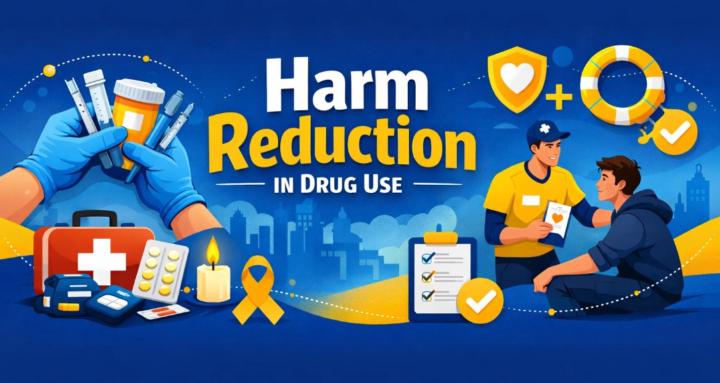
Practical harm reduction
Feeling human, not defective
People change when they feel safe enough to do so.
❗ The truth
Shame doesn’t cure addiction.
It keeps people stuck in it.
Harm reduction replaces shame with:
✔️ Information
✔️ Safety
✔️ Dignity
And dignity is what allows people to choose differently over time.
If you’re carrying shame, it doesn’t mean you’re weak.
It means you’ve been trying to survive.
0
0 comments
Why Shame Makes Addiction Worse (Not Better)
skool.com/harm-reduction-in-drug-use-1152
I share practical tips, personal insights, and supportive strategies for navigating substance use without judgment.
Powered by