May 8 • General discussion
Reta: Magic Kool-Aid or a tool?
Retatrutide is quickly becoming one of the most talked-about compounds in the health and fitness world. To some people, it’s being marketed like a miracle — capable of melting away years of body fat with little effort.
And while the results many people are experiencing are undeniably impressive, there’s an uncomfortable truth that often gets ignored:
Retatrutide is a tool in the tool box.
A very powerful tool, yes — but still just a tool.
And like any tool, its effectiveness depends entirely on how you use it.
For many people struggling with obesity, appetite dysregulation, insulin resistance, or chronic overeating, Retatrutide can create something they haven’t experienced in years: breathing room. Hunger quiets down. Food noise decreases. Cravings lose some of their control. The constant mental battle around eating becomes manageable for the first time in a long time.
That alone is life-changing.
But this is where people often make a critical mistake. They assume that because the medication helps them eat less, health will automatically follow.
Smaller does not automatically mean healthier.
If someone uses Retatrutide while continuing to eat ultra-processed foods, avoiding movement, neglecting hydration, and ignoring resistance training, they may lose weight — but they can also lose muscle, energy, performance, and metabolic health along the way.
The real opportunity with Retatrutide is not simply to lose weight.
The opportunity is to rebuild your lifestyle while the medication lowers the difficulty level.
That starts with nutrition.
The smartest thing someone can do while using Retatrutide is shift their diet toward whole, nutrient-dense foods. Lean proteins, eggs, fish, fruit, vegetables, potatoes, rice, oats, Greek yogurt, nuts, and minimally processed foods provide the vitamins, minerals, fiber, and satiety your body actually needs.
This matters even more when appetite is reduced.
When you’re eating less overall, every meal becomes more important. If your calories are coming mostly from processed convenience foods, you can easily end up with nutritional deficiencies while still technically losing weight.
Retatrutide makes it easier to eat less. That means you must become more intentional about eating better.
Protein intake becomes especially important.
One of the biggest risks during rapid weight loss is losing lean muscle tissue alongside body fat. Muscle is metabolically valuable. It supports strength, mobility, insulin sensitivity, bone health, recovery, and long-term weight maintenance.
Without enough protein, the body doesn’t just burn fat — it can also break down muscle.
That’s why prioritizing protein isn’t optional. It’s foundational.
Protein helps preserve lean tissue, improves satiety, supports recovery, and gives your body the raw materials it needs to adapt and perform. For many people using Retatrutide, hitting protein goals consistently may actually require effort because appetite suppression can make it difficult to eat enough high-quality food. One gram of protein per pound of GOAL body weight is the mission.
That’s another reason this medication requires strategy, not just blindly using it and hoping for the best.
Hydration is another overlooked piece of the puzzle.
Many people on appetite-regulating medications unintentionally reduce both food and fluid intake. Dehydration can worsen fatigue, headaches, digestion issues, training performance, and overall recovery. Water intake, electrolyte balance, and proper hydration become even more important when calories are lower and body weight is changing rapidly.
Then there’s the piece too many people ignore completely:
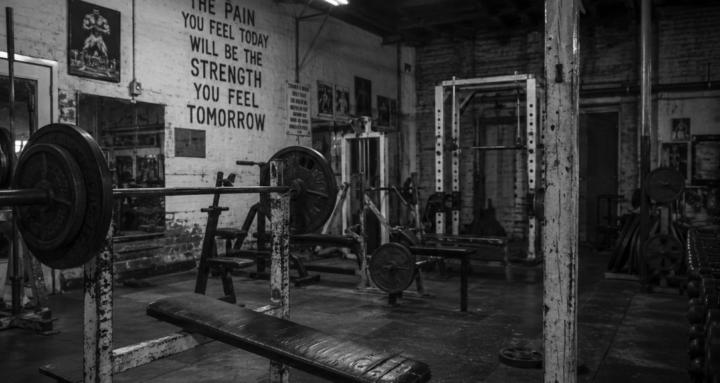
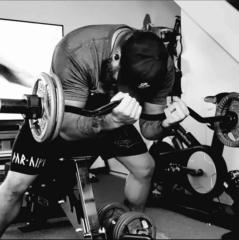
YOU HAVE TO LIFT WEIGHTS
Resistance training is not just for bodybuilders or athletes. It is one of the most important things a person can do while losing weight — especially on medications like Retatrutide.
Without resistance training, the body has no reason to hang onto muscle mass during a calorie deficit. The result is often a smaller version of the same unhealthy body composition: less body fat, yes, but also less muscle, lower strength, poorer metabolism, and reduced physical resilience.
Strength training changes is a non-negotiable.
Lifting weights tells your body: “This muscle is necessary. Keep it.”
It improves body composition, increases strength, supports joint health, boosts insulin sensitivity, and helps create the leaner, healthier physique most people are actually looking for.
The scale may go down because of Retatrutide. But the strong, athletic, healthy version of you is built in the gym and reinforced in the kitchen.
That distinction matters.
Because eventually, the goal should not be permanent dependence on a medication. The goal should be developing habits, systems, and a body that can sustain health long term.
Retatrutide can help open the door. But you still have to walk through it.
The people who achieve the best outcomes are not the people searching for the fastest shortcut. They’re the ones who use this opportunity to fundamentally change how they eat, train, recover, and live.
That’s the real transformation.
Not just losing weight. But becoming healthier, stronger, and more capable in the process.
3
1 comment
Reta: Magic Kool-Aid or a tool?