May 16 • General discussion
Maintaining muscle on a cut
Losing fat sounds simple on paper: eat fewer calories than you burn and the weight comes off. But anyone who has dieted seriously knows the process is more complicated than that — especially if the goal isn’t just to get smaller, but to stay strong, athletic, and muscular along the way.
Maintaining muscle in a calorie deficit is one of the biggest challenges in fitness because the body is naturally resistant to it. When calories drop, your body starts looking for ways to conserve energy. Fat stores are part of that equation, but muscle tissue is metabolically expensive too. Without the right training and nutrition, the body can begin breaking down muscle alongside fat.
That’s why a successful cut isn’t about losing weight as quickly as possible. It’s about convincing the body to hold onto muscle while gradually reducing body fat. You don't want to end up a smaller "skinny fat" version of yourself.
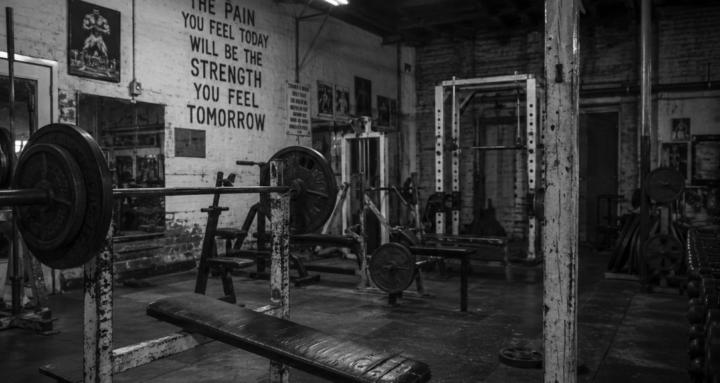
The first and most important factor is resistance training.
A lot of people make the mistake of turning their workouts into endless high-rep circuits or marathon cardio sessions when they start dieting. While cardio can help increase calorie expenditure, muscle is maintained through tension and strength work. Your body keeps muscle when it believes that muscle is still necessary. Heavy lifting sends that signal clearly.
That doesn’t mean every workout needs to be brutal. Recovery becomes more limited in a calorie deficit, so smart programming matters. The goal is to maintain strength and training quality rather than constantly chasing exhaustion. In many cases, keeping weights relatively heavy while slightly reducing overall training volume works better than trying to “burn more calories” in the gym.
Nutrition is the other half of the equation, and protein becomes especially important during a cut.
Protein provides the amino acids needed to repair and preserve muscle tissue. It also helps with satiety, which becomes increasingly valuable when calories are lower and hunger starts creeping in. Many successful cuts are built around simple, repeatable meals centered on high-protein foods: lean meats, eggs, fish, Greek yogurt, protein shakes, cottage cheese, beans, potatoes, etc.
One of the biggest mistakes people make is creating too aggressive a calorie deficit. Rapid weight loss can look appealing at first, but the faster the deficit, the harder it becomes to maintain performance, recovery, and muscle mass. A moderate deficit is usually more sustainable and more effective long term because it allows you to keep training hard and recovering properly.
Sleep also plays a larger role than many people realize. Poor sleep affects recovery, workout performance, hunger hormones, mood and energy levels. In a calorie deficit, those effects become even more noticeable. A well-designed training plan and perfect nutrition can only go so far if recovery is constantly compromised.
There’s also a mental side to dieting that often gets overlooked. Maintaining muscle while cutting requires patience because progress is slower than most people expect. The scale may not move dramatically every week, especially if strength is being preserved and body composition is improving gradually. People who panic and constantly adjust calories or add excessive cardio often end up making the process harder than it needs to be.
The most successful cuts are usually the least dramatic ones.
They rely on consistency instead of extremes: a controlled calorie deficit, enough protein, hard resistance training, adequate sleep, and patience over time. Done properly, the result isn’t just a lighter body, but a leaner and more defined version of the muscle you already built, right?
That’s the real goal of cutting — not simply losing weight, but revealing what’s underneath without sacrificing the strength and muscle that got you there in the first place.
3
1 comment
Maintaining muscle on a cut