25d (edited) • General discussion
🗓 What June Really Means for Louisiana Bees
If you've read a beekeeping blog this month, you've seen "June = peak nectar flow!" That's true for a lot of the country. 𝙉𝙤𝙩 𝙦𝙪𝙞𝙩𝙚 𝙛𝙤𝙧 𝙪𝙨.
Here in South Louisiana, our flow runs earlier and ends faster. It usually starts mid-May and wraps by mid-June, driven mostly by the Chinese Tallow tree, an invasive nuisance most folks want to cuss at, but bees absolutely love its nectar-rich tassels.
So while other regions are just hitting their stride, we're already heading into 𝗱𝗲𝗮𝗿𝘁𝗵, little to no nectar or pollen available.
𝗪𝗵𝗮𝘁 𝘁𝗵𝗶𝘀 𝗺𝗲𝗮𝗻𝘀 𝗳𝗼𝗿 𝘆𝗼𝘂𝗿 𝗵𝗶𝘃𝗲 𝗿𝗶𝗴𝗵𝘁 𝗻𝗼𝘄:
1- 𝙄𝙣𝙨𝙥𝙚𝙘𝙩 𝙡𝙚𝙨𝙨. Quick, minimal checks only. Honey smell during dearth attracts robbers.
Watch for robbing. Desperate bees raid weaker hives when nectar dries up. Keep an eye on entrances.
2- 𝘿𝙤𝙣'𝙩 𝙥𝙖𝙣𝙞𝙘 𝙖𝙗𝙤𝙪𝙩 𝙖 𝙨𝙡𝙤𝙬𝙚𝙧 𝙦𝙪𝙚𝙚𝙣. No nectar coming in often means she slows her laying. Normal, not a problem.
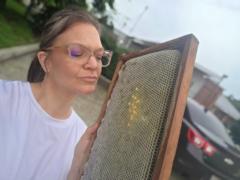
3- 𝙂𝙚𝙩 𝙧𝙚𝙖𝙙𝙮 𝙩𝙤 𝙝𝙖𝙧𝙫𝙚𝙨𝙩. Early July is harvest time here. 80% capped comb means it's ready to pull.
𝗧𝗵𝗲 𝗯𝗶𝗴𝗴𝗲𝗿 𝗹𝗲𝘀𝘀𝗼𝗻: generic beekeeping advice isn't wrong, it's just often written for somewhere else. Tulip poplar country. Clover country. We're tallow country, and our calendar runs on its own clock. The next few weeks are about protecting what's already built, not chasing more growth.
If your hive feels quieter than it did three weeks ago, that's not a problem. That's just July showing up early, like it always does.
🐝 𝗪𝗵𝗮𝘁 𝗮𝗿𝗲 𝘆'𝗮𝗹𝗹 𝘀𝗲𝗲𝗶𝗻𝗴 𝗶𝗻 𝘆𝗼𝘂𝗿 𝗵𝗶𝘃𝗲𝘀 𝘁𝗵𝗶𝘀 𝘄𝗲𝗲𝗸? 𝗗𝗿𝗼𝗽 𝗶𝘁 𝗯𝗲𝗹𝗼𝘄.
2
0 comments
🗓 What June Really Means for Louisiana Bees
powered by

skool.com/dubeeville-beekeeper-hub-6260
Beekeeping support straight from South Louisiana, accent and all. Monthly live calls, real answers, real community. Y'all welcome.
Suggested communities
Powered by