
Mar 13 • General discussion
Understanding Grief and Loss: Finding Meaning in the Healing Journey
Grief is one of the most universal human experiences, yet it is also one of the most personal. Each person responds to loss in their own way, influenced by their relationships, culture, beliefs, and life experiences. Modern grief research and counseling emphasize that there is no single “correct” way to grieve, and healing often follows a deeply individual path.
For many years, grief was commonly described through structured stages. While these models helped people understand emotional responses to loss, counselors now recognize that grief rarely follows a neat sequence. Instead, emotions can come in waves—sometimes calm, sometimes overwhelming. One day a person may feel acceptance, while the next they may feel sadness, anger, or longing again. Recognizing this ebb and flow is an important step in allowing individuals to process loss without feeling that something is “wrong” with their healing journey.
Another key shift in modern grief understanding is the recognition that loss extends beyond death. People grieve many kinds of losses, including the end of relationships, the loss of health, major life changes, or the shifting roles that come after a loved one passes away. For caregivers and family members, grief can also begin long before a death occurs, as they witness a loved one’s illness or decline. These experiences can create layers of emotional complexity that require compassion and patience.
One concept that has gained attention in grief counseling is the idea of continuing bonds. In the past, many believed that healthy grieving meant letting go of emotional ties to the person who died. Today, many experts recognize that maintaining a connection—through memories, rituals, or meaningful traditions—can actually bring comfort and help people adjust to life after loss. Remembering loved ones, celebrating their lives, or keeping meaningful objects can become a healthy part of the healing process.
Grief can also affect people in different emotional and physical ways. Some individuals experience deep sadness or loneliness, while others feel anger, confusion, or even numbness. Physical symptoms such as fatigue, sleep problems, or difficulty concentrating are also common. Because of these varied responses, counselors emphasize the importance of acknowledging each person’s unique experience instead of comparing grief to others.
While grief can feel overwhelming, it can also lead to transformation over time. Many people eventually discover new strengths, deeper compassion for others, or a renewed sense of purpose after loss. This does not mean the pain disappears, but rather that individuals learn how to integrate the loss into their lives while continuing to move forward.
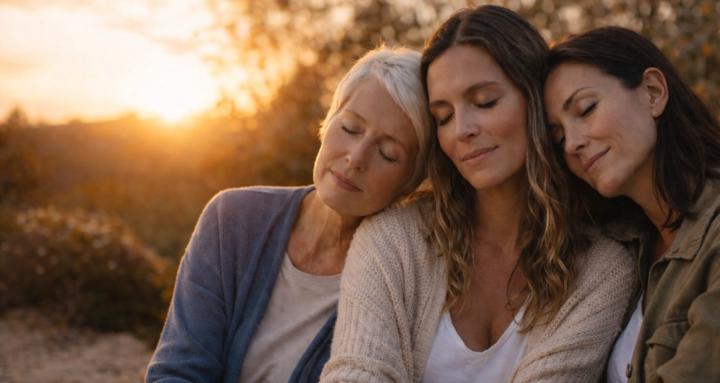
Support from others is often a key part of healing. Talking with trusted friends, family members, counselors, or support groups can help people feel less alone during difficult moments. Simply having a space where grief is acknowledged and accepted can make an enormous difference for someone navigating loss.
Ultimately, grief is not something that needs to be “fixed” or rushed. It is a natural response to love and connection. Healing comes gradually through understanding, support, and the willingness to honor both the pain of loss and the memories that remain. Over time, many people find that grief becomes not just a story of sorrow, but also a testament to the deep bonds that shaped their lives.
For those walking through grief—whether as caregivers, widows, or family members—the most important reminder may be this: your grief is valid, your path is unique, and healing can unfold in its own time.
0
1 comment
Understanding Grief and Loss: Finding Meaning in the Healing Journey
skool.com/bruised-not-broken-circle-3330
A supportive space for widows, solo parents, and caregivers who are tired of carrying everything alone and want calm, healing, and real connection.
Powered by