
9d • General discussion
If K-pop Fans Defended Black Artists the Way They Defend K-pop, Would This Conversation Even Be Necessary?
Think about the energy K-pop fandoms bring when someone criticizes their favorite group. They organize. They flood comment sections. They compile receipts. They trend hashtags globally within hours. It's one of the most coordinated cultural defense forces in modern media history.
Now ask yourself: when was the last time that same energy showed up for the Black artists who built the blueprint those groups are following?
This isn't about pitting fans against each other. It's a real question about where devotion flows — and why. K-pop fandoms are extraordinarily racially diverse, including a significant number of Black fans. And that's where it gets complicated: some of the most passionate defenders of acts that culturally borrow from Black music are Black themselves.
So what's actually happening? Is it parasocial loyalty that overrides cultural analysis? Is it that K-pop as a product is better packaged and marketed to inspire that loyalty? Or is the music industry — both East and West — banking on the fact that Black culture is beloved and Black artists are disposable?
Here's what I want to know from this community: If K-pop stans redirected 10% of their fandom energy toward demanding proper credit for the Black artists who inspired the music they love — what changes?
0
0 comments
If K-pop Fans Defended Black Artists the Way They Defend K-pop, Would This Conversation Even Be Necessary?
powered by
skool.com/beyond-the-reaction-9607
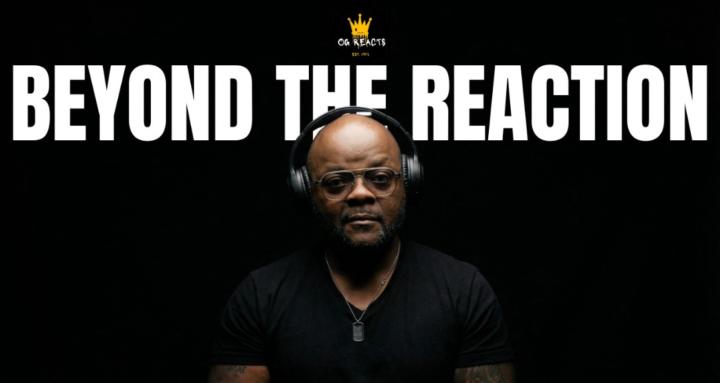
Beyond The Reaction is a private community for people who don’t just watch or listen to music — they hear and feel it.
Suggested communities
Powered by