
Feb 5 (edited) • Breed of the Week
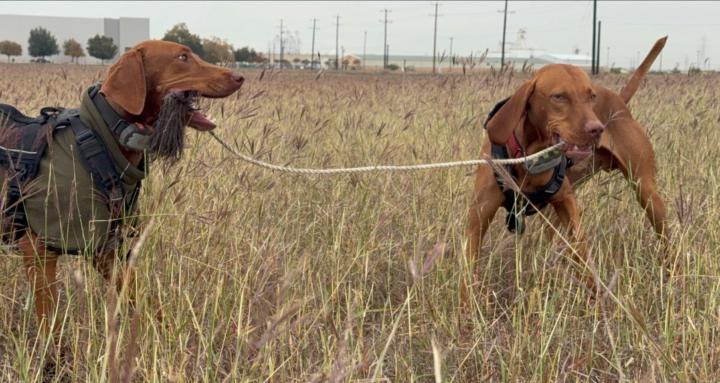
Hungarian Vizsla
The Vizsla has multiple names just like the Australian Cattle Dog. They are known as Vizsla (which means pointer), Hungarian pointer or the Magyar Vizsla. This breed has been around for over a thousand years and are considered one of the oldest known hunting dogs. It is thought that the vizsla is a descendant of the eighth-century Hungarian hunting dogs.
The vizsla has faced near extinction not once but twice with the first being from the Turkish Occupation (1526-1696) with a more serious decline after the Hungarian Civil War (1848-1849). The breed recovered from a small stock of about 12 true vizslas thanks to Hungarian sportsmen. The second near extinction the vizslas faced was after the two World Wars and Russian Occupation but were saved this time in part thanks to Mrs. Elizabeth Mihalyi.
Mrs. Elizabeth escaped Hungary with her family Vizsla named Panni XV and was bred with Betyar from Austria. This breeding established the Panni-Betyar line which is recognized by the AKC as a foundation stock of the breed.
Vizslas are known for their exceptional hunting skills, relentless loyalty, and versatility. The breed was highly regarded and treasured by Hungarian nobility. For centuries landowning aristocrats horded the vizsla and preserved their pure blood with more recently the breed is seen as not only a great hunting companion but also one great for families. The vizsla is not only treasured for their physical features but also their ability to adapt to various situations which made them versatile and reliable for tasks beyond hunting.
The vizslas were not only tied to nobility and status but they also proved their worth during times of war and conflict. They were used to guard camps, sentinels, deliver messages and be a part of military campaigns. Due to their speed and endurance that allowed them to be able to travel long and difficult terrains the breed was entrusted with carrying important messages across the battlefield to friendly commanders and troops. Even during the hardships of the battlefield the vizsla remained by the side of their soldier companions.
The efforts to preserve the breed was one that was felt by many passionate individuals. They strived for quality not quantity and only selected the best specimens and carefully considered physical qualities, temperament and hunting ability. The effort to restore the breed did not stop there as the breed enthusiasts also went above and beyond to educate the public about all of the unique qualities about the breed. Thanks to these efforts the vizsla breed escaped near extinction and has continued to be loved and enjoyed by many hundreds of years later.
In the 21st Century the vizsla breed partakes in a variety of canine sports such as agility, obedience, field trials and more which just goes to show their versatility and raw talent.
7
7 comments
Hungarian Vizsla
powered by
skool.com/beyond-the-leash-9053
Redirecting prey drive into purpose. Off-leash freedom through Predation Substitution Training
Suggested communities
Powered by