Activity
Mon
Wed
Fri
Sun
May
Jun
Jul
Aug
Sep
Oct
Nov
Dec
Jan
Feb
Mar
Apr
What is this?
Less
More
Memberships
AGE WELL NETWORK
171 members • Free
Wisdom Warriors
56 members • Free
123 contributions to AGE WELL NETWORK

9d •
Movement reminder 🚶♂️
Is your body designed to move and stay active? What is one simple way you are moving today? Even light stretching or walking can improve circulation and energy 🚶♂️


0 likes • 2d
Doing some light stretching this morning, it really helps me feel more flexible.
5d •
The New Way to Think About Senior Wellness in 2026
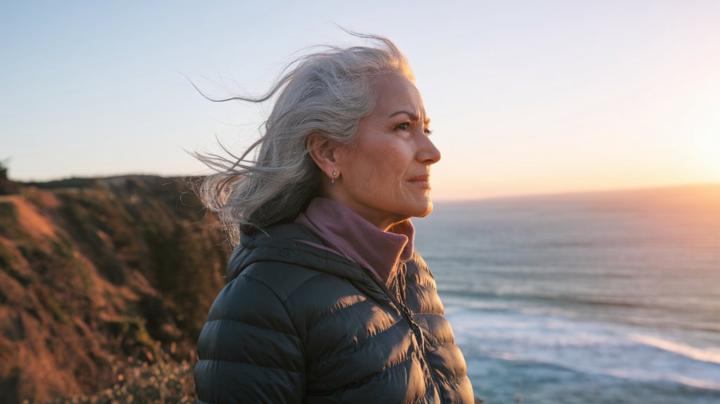
Wellness is changing, and in 2026, it looks very different from what many people expected. It is no longer about strict routines or one-size-fits-all advice. Instead, the focus is on simple, sustainable habits that support real life and help people feel better every day. One of the biggest shifts is personalization. Health is no longer treated the same for everyone. Today, wellness is built around individual needs, preferences, and lifestyles. This means choosing activities, foods, and routines that actually fit into your daily life and feel enjoyable, not forced. When something feels natural, it becomes easier to stay consistent. Another important trend is functional fitness. Instead of focusing only on exercise for the sake of exercise, the goal is to stay strong for everyday life. Movements that help with walking, standing, carrying items, and maintaining balance are becoming more important. This type of fitness supports independence and confidence, helping people stay active and capable as they age. Nutrition is also evolving in a meaningful way. The focus is now on foods that truly support the body. Meals rich in nutrients help improve energy, support brain function, and strengthen the immune system. Simple choices like eating more whole foods, fruits, vegetables, and healthy fats can make a noticeable difference in how you feel each day. Hydration is also being recognized as essential for maintaining energy and mental clarity. Sleep is another area getting more attention than ever before. Quality rest is now seen as a key part of overall health, not just something optional. Many people are realizing that better sleep leads to better mood, sharper thinking, and more energy during the day. Creating a calm environment, following a regular schedule, and allowing time to unwind are all simple ways to improve sleep. Brain health is also becoming a major priority. Staying mentally active is just as important as staying physically active. Activities like learning new skills, reading, engaging in conversations, and exploring hobbies help keep the mind sharp and engaged. Mental stimulation combined with social interaction plays a powerful role in maintaining cognitive health over time.
0 likes • 2d
Great reminder, staying active, eating well, and keeping strong connections really is the key to feeling your best.
5d •
Gratitude focus 🙌
Taking time to notice the good can improve your mood! What is one thing you are grateful for this morning?

0 likes • 2d
Feeling thankful for my family, they bring so much joy and support into my life. 💛
5d •
Monday 🌞
A fresh week is a new opportunity to reset: 𝐖𝐡𝐚𝐭 𝐢𝐬 𝐨𝐧𝐞 𝐡𝐞𝐚𝐥𝐭𝐡𝐲 𝐠𝐨𝐚𝐥 𝐲𝐨𝐮 𝐡𝐚𝐯𝐞 𝐟𝐨𝐫 𝐭𝐡𝐢𝐬 𝐰𝐞𝐞𝐤? Something simple that you can stay consistent with 💚

0 likes • 2d
My goal this week is to walk every day... even if it’s just 10 minutes.
5d •
Routine check 🔄
Routines can make healthy living easier. Do you have a morning routine that helps you feel your best? 𝐖𝐡𝐚𝐭 𝐝𝐨𝐞𝐬 𝐢𝐭 𝐢𝐧𝐜𝐥𝐮𝐝𝐞?
0 likes • 2d
Not super strict, but I like to move a bit in the morning and eat something healthy to get started
1-10 of 123

@nathalia-de-leon-8048
I believe in the power of persistence and community to achieve great things. Excited to be part of this space!
Active 2d ago
Joined Nov 21, 2024
Powered by