Activity
Mon
Wed
Fri
Sun
Aug
Sep
Oct
Nov
Dec
Jan
Feb
Mar
Apr
May
Jun
What is this?
Less
More
Owned by Mark
This space exists for people who want to slow down, reflect, and live with a little more awareness and kindness — without pressure, labels, or dogma.
Memberships
Love Keepers United
8 members • Free
The Human Practice
322 members • Free
Earthlings for Peace
9 members • Free
Retro Riches Archive
90 members • Free
Ricochet
212 members • Free
🌎Our Peaceful Liberation✌🏽
56 members • Free
Trinity Code ⭐️
92 members • Free
Embrace Your Inner Weirdo
75 members • Free
Sovereign Souls
155 members • Free
37 contributions to 🌎Our Peaceful Liberation✌🏽

🔥
3 likes • 4d
The warning isn't just about doom and gloom. The film's answer is hope. Fantasia is destroyed by The Nothing, but it's reborn when Bastian finally embraces his future and uses his imagination to rebuild it. The whole film is a warning that if we lose our capacity for imagination, hope, and empathy, we lose everything. But it also shows that the power to save ourselves and our world is always there, if we're brave enough to use it. I recently posted a series of messages from films 😊

6d •
Ducks eating peas in water and why…
My family and I used to raise ducks and we never knew about this! 🦆 Why should ducks eat peas in water? People often recommend giving ducks peas in water because it’s one of the safest and healthiest treats you can offer them, especially compared with bread. Here’s why: * Peas are nutritious. They provide vitamins, minerals, fiber, and a little protein that ducks can actually use. * Water softens frozen peas. Most people use frozen peas. Thawing or placing them in water makes them easier for ducks to eat. * They float. Peas floating on the water let ducks eat the way they naturally forage, reducing the chance of food getting trampled into the ground. * They help replace bread. Bread fills ducks up without providing much nutrition. If ducks eat too much bread, they may miss out on the nutrients they need, and leftover bread can also contribute to poor water quality. If you’re feeding ducks occasionally, some good options include: * Thawed peas * Corn (fresh, frozen, or canned without added salt) * Oats * Chopped lettuce or other leafy greens * Duck pellets or waterfowl feed Remember to feed only small amounts. Ducks should get most of their diet by foraging naturally, and leaving excess food behind can pollute ponds and attract pests. One interesting note: peas are also sometimes recommended by veterinarians as part of supportive care for pet ducks with mild digestive issues, but they aren’t a cure for illness. If a duck appears sick or injured, it’s best to contact a licensed wildlife rehabilitator or veterinarian.
🔥
2 likes • 6d
I have my girl YoYo, she is my guardian angel 😊 Im so blessed to live where I do, in a beautiful part of France, surrounded by nature, I have over 100 fish in my Zen Garden Pond outside my meditation studio, I have deer, pheasants, red squirrals, Owls, Hawks, and so, many birds, small mammals, insects and reptiles living on my property, for which I give thanks every day 🙏
🔥
1 like • 5d
@Rena Nicole 🐶😊
6d •
How do we feel about ancient ruins?
Are you okay with building a car park or freeway over ancient ruins? How about over cemeteries?
🔥
3 likes • 6d
No, No, No.
🔥
6d •
The Art of Non-Acquisition
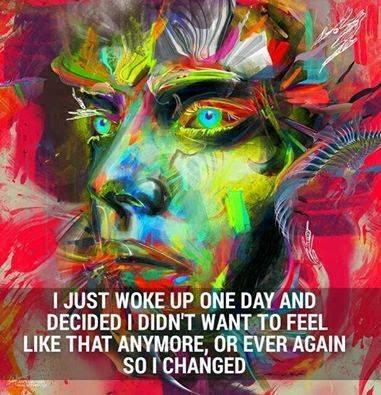
Hi Everyone 👋 Rena has asked me to share one of my posts here within her community, so here goes 🙏 For years, I operated under the illusion that doing more, achieving more, acquiring more, and even giving more, was the surest path to feeling whole. I thought if I could just stack enough accomplishments, enough good deeds, or enough spiritual milestones, I would finally arrive at the door of liberation. But I’ve come to see that the very act of grasping, even at something as noble as enlightenment, can become its own cage. There’s a subtle trap in our beautifully misguided human urge to “do.” It’s the belief that the doing itself is what will save us. We attach to outcomes, to recognition, to the feeling of being needed, and to the security of our carefully curated lives. But liberation doesn’t live in the accumulation of experiences; it lives in the profound release of them. This is where the practice of non-acquisition becomes revolutionary. It’s not about inaction, but a radical reorientation of why we act. When we approach a task, a conversation, or even our own healing with a spirit of non-acquisition, we are no longer desperate for a specific result. We are simply present. We offer our gifts without the need to own them, and we participate in life without the hidden clause that says, “I must get something out of this.” Contrast this with the relentless energy of greed and attachment. When we are attached, every action we take tightens the noose. We attempt to control, to hold on, to manipulate outcomes in our favour. We obsess over the “right” path, the “right” relationship, or the “right” material success. The more we do from that place, the more knots we tie. We become architects of our own prisons, building walls with bricks of anxiety and mortar of “what if.” True liberation, on the other hand, is the feeling of dancing in the rain without worrying about keeping your clothes dry. It’s the freedom of writing without obsessing over being read, of loving without demanding to be loved back, of working without needing to be recognised for the work. It’s a quiet surrender to the flow of life, trusting that the universe knows where it’s going, even when our maps are obsolete.
6d •
How did the Buddha die?
According to Buddhist tradition, the Buddha—Gautama Buddha—died at about age 80 in a place called Kushinagar. His death is referred to as parinirvana (or Mahāparinirvāṇa), meaning the final passing away of someone who has already attained enlightenment. Traditional account The earliest detailed description appears in the Mahāparinibbāna Sutta. According to this text: - The Buddha accepted a meal from a blacksmith (or metalworker) named Cunda. - The meal included a dish called sukara-maddava, whose exact meaning is uncertain. It has been translated as “soft pork,” “boar’s delicacy,” or even a type of mushroom or truffle. - After eating, the Buddha became seriously ill with severe abdominal pain and dysentery-like symptoms. - Despite his illness, he continued traveling until reaching Kushinagar, where he lay down between two sal trees and gave final teachings to his followers. - He then entered meditation and passed into parinirvana. What actually caused his death? Historians and physicians have proposed various possibilities based on the ancient descriptions, including: - Food poisoning - Dysentery or a gastrointestinal infection - Mesenteric infarction (a blockage of blood supply to the intestines) - Other age-related illnesses complicated by the final meal However, the available evidence is too limited to determine the exact medical cause with confidence. Buddhist interpretation For Buddhists, the spiritual significance is usually considered more important than the medical details. The Buddha’s death is seen not as a tragedy but as the final completion of his liberation from the cycle of rebirth (samsara), demonstrating the impermanence of all physical existence. His reported last words in the Pali tradition are often rendered as: “All conditioned things are subject to decay. Strive on with diligence.” These words emphasize mindfulness, effort, and awareness of impermanence—central themes of Buddhist teaching.

🔥
6 likes • 6d
Hi Rena 👋 Thank you for bringing this up. It makes me realise that the question isn't really how the Buddha died. The question is..... How am I living, knowing that my own final meal is already out there, waiting for me? And the answer, I pray, is that I am learning, day by day, to hold my life with open hands, so that when the time comes to lie down between the trees, I will have nothing left to protect, and everything left to give. With Love ❤️ Always Mark
1-10 of 37
🔥
@mark-lawrence-2311
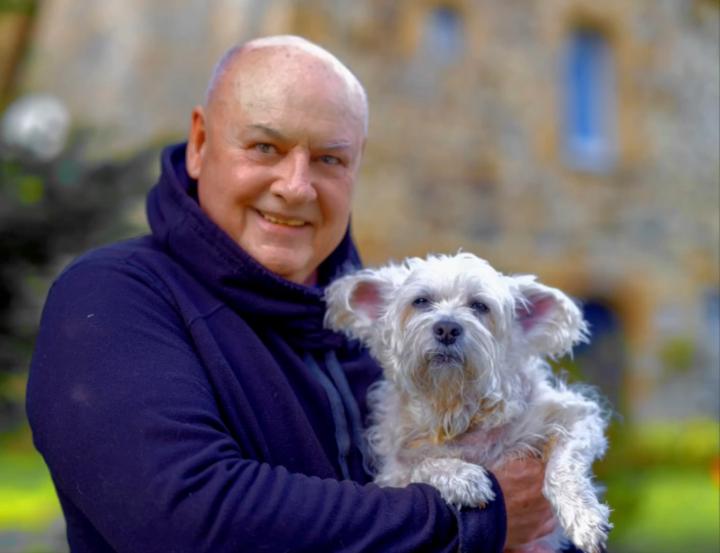
Hi, I’m Mark — a father, business leader, coach, and TCM doctor, walking a lifelong journey of growth, healing, loss, learning, and lived experience.
Active 4h ago
Joined Apr 23, 2026
INFP
Feugeres France