Activity
Mon
Wed
Fri
Sun
Jul
Aug
Sep
Oct
Nov
Dec
Jan
Feb
Mar
Apr
May
What is this?
Less
More
Owned by Goeun
A welcoming space to enjoy learning Korean together. Build daily habits, share your journey, and grow with the crew!
Memberships
hervibe: 글로벌 크리에이터 커뮤니티
508 members • Free
Skoolers
185.1k members • Free
253 contributions to The Korean Full:Time


0 likes • 12h
저 해봤어요!ㅋㅋ 재미있었어요ㅋㅋ

0 likes • 12h
고생이 너무 많네요ㅠㅠ 이번 주에 한 번은 꼭 오세요~!

14h •
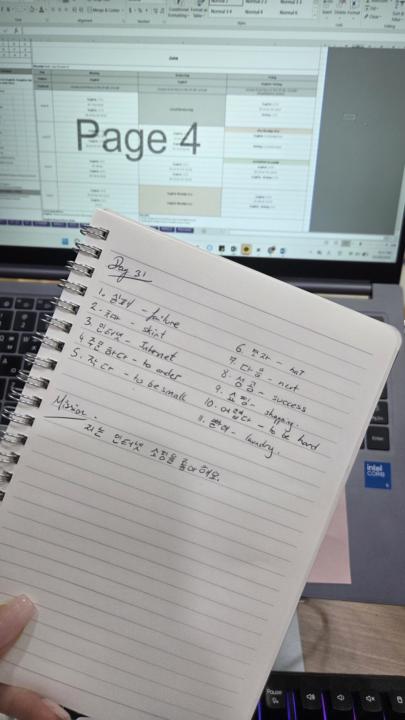
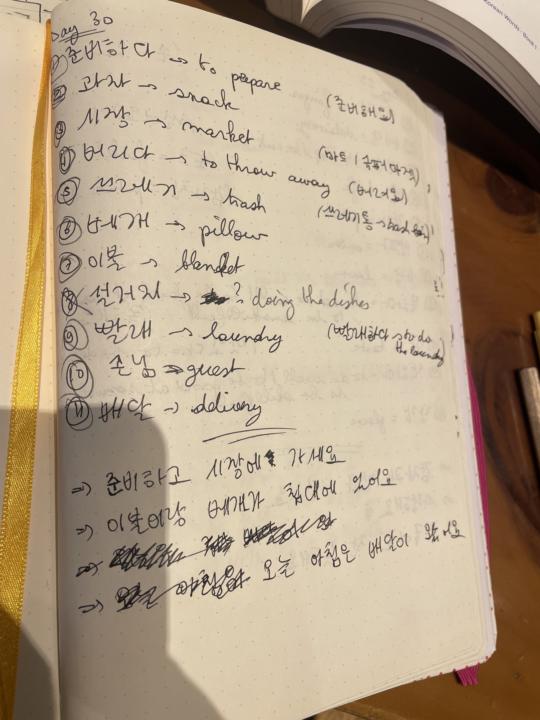
Day 30+31
Hi! Here my questions ~ - Why is “to throw away trash” written as “휴지를 버리다”? Why not “쓰레기를 버리다”? Because I thought “휴지” meant toilet paper. - Is the difference between 어렵다 and 힘들다 that 어렵다 refers to a mental/intellectual difficulty, while 힘들다 refers to a physical difficulty? Tysm 🙏
0 likes • 12h
1. 휴지 vs. 쓰레기 Once a tissue is used, it becomes trash, which is why it's translated that way. In Korea, "휴지를 버리다" is just the standard phrase used in public spaces like cafes or offices to refer to throwing away small, light waste. This is also why people often say "휴지통" instead of "쓰레기통." 2. 어렵다 vs. 힘들다 It’s less about "mental vs. physical" and more about "Objective Difficulty" vs. "Personal Energy/Drain." 어렵다: Objective Difficulty. 힘들다: Personal Energy/Drain.

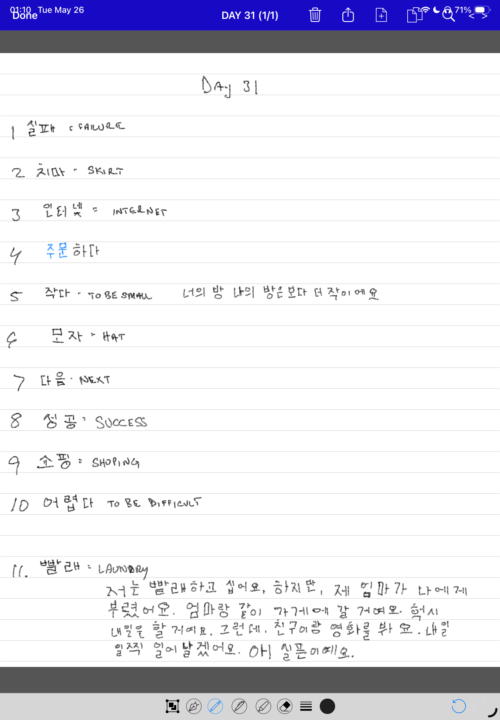
0 likes • 12h
We use 같이 more for speaking! Try to make a sentence with 같이!
12h •
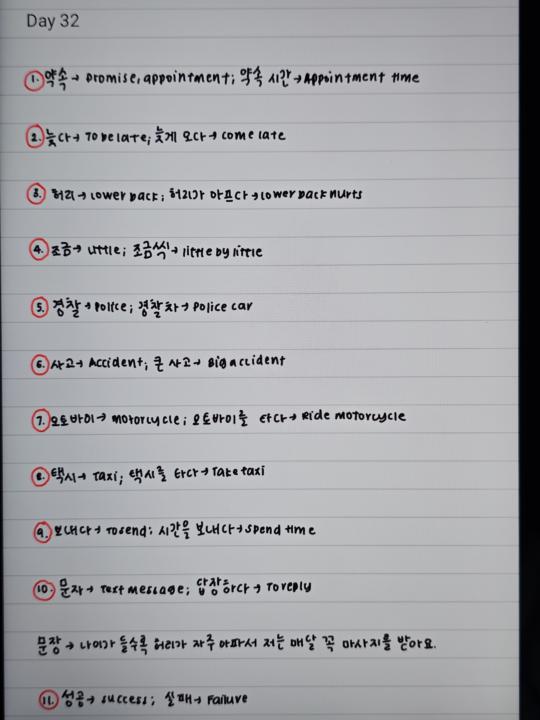
Day 32 REPLAY: For My Frizzy Hair Crew! 🌧️🦁
Is it raining where you are? Because my wavy, frizzy hair is acting up today! 😅 Are there any other wavy/curly hair folks out there who get super frizzy hair on rainy days just like me? Today, I introduced the exact expressions you need for days like this! ⚠️ IMPORTANT: As always, this recording will be deleted in 24 hours. Catch the replay, learn today's useful expressions, and don't forget to submit your daily mission! See you in the replay! 화이팅! 💪☔️
2
0

1-10 of 253